Quetzal : Toronto’s Amazing Fire-Only Mexican Restaurant
Quetzal
- $$$
- Booking
-
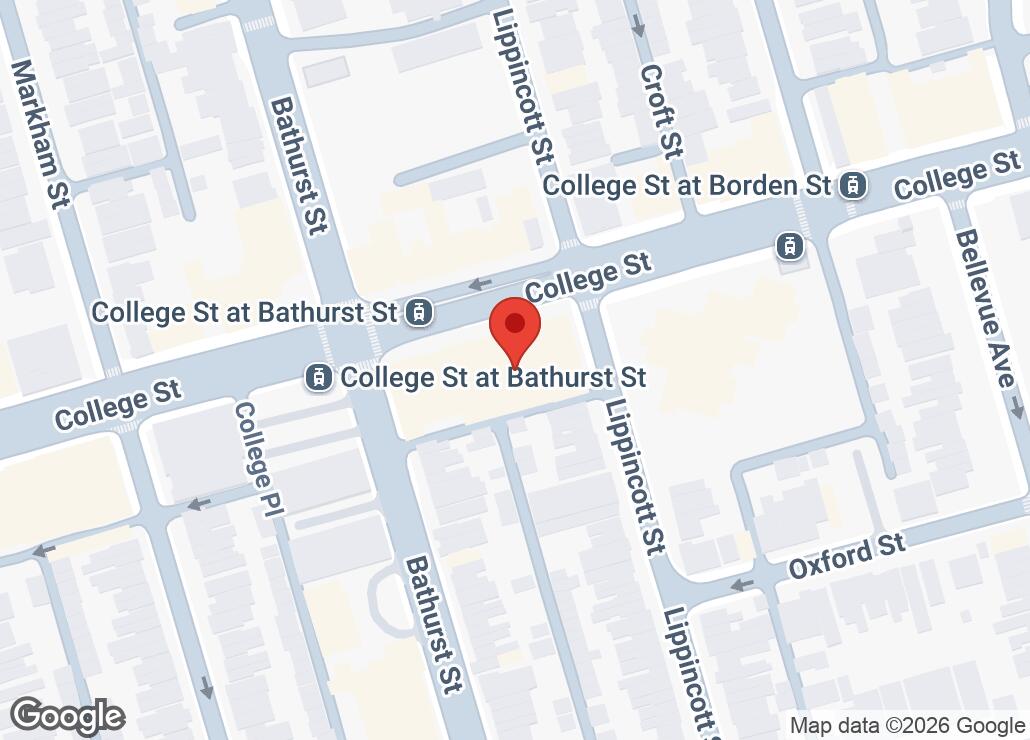
419 College Street Toronto M5T 1T1
+1 647-347-3663 -
Monday: Closed
Tuesday: Closed
Wednesday: 6:00 PM – 10:00 PM
Thursday: 6:00 PM – 10:00 PM
Friday: 6:00 PM – 10:00 PM
Saturday: 6:00 PM – 10:00 PM
Sunday: 6:00 PM – 10:00 PM
-


- Restaurant
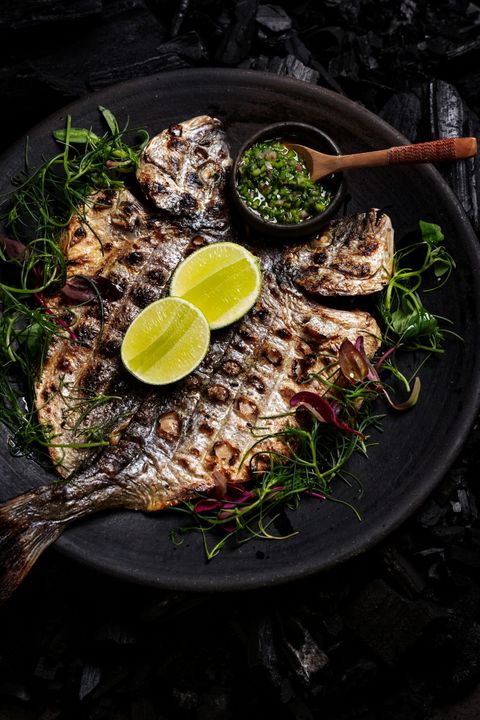
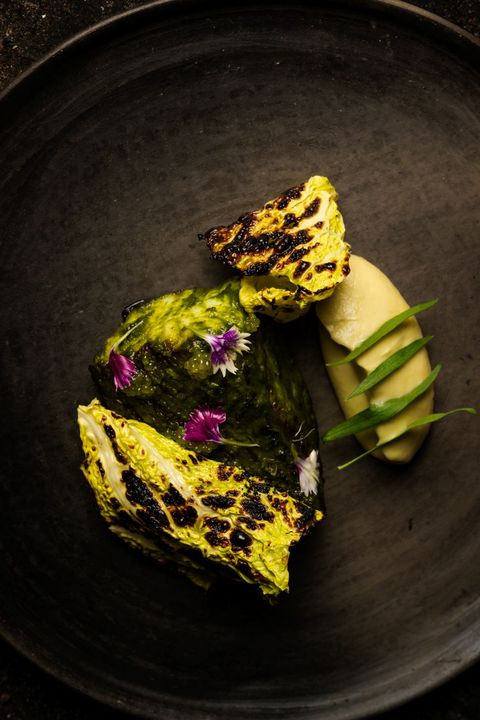
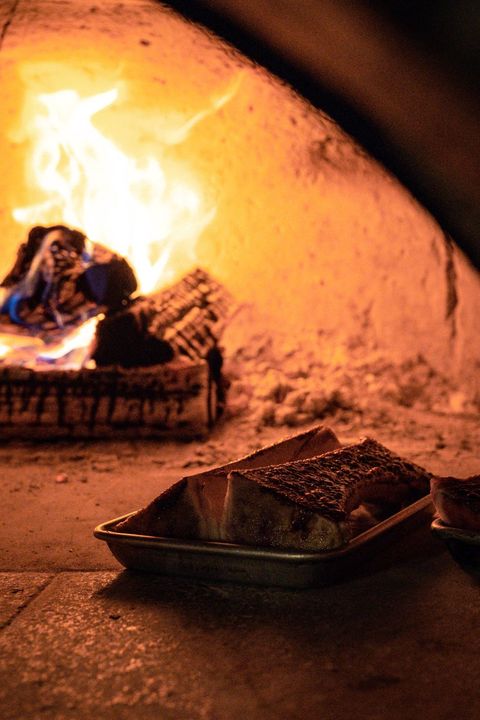
The first thing you notice walking into Quetzal is the smell. Wood fire, sharp and familiar, carrying some private memory of a campfire or a family gathering. It hits you before you see the dining room, before you see the architecture, before you see the open hearth at the back of the space that feeds every dish on the menu. There is no gas in this kitchen. There has never been any gas in this kitchen. Every plate at Quetzal has been touched by fire, and you can taste it.
An Idea That Didn’t Exist in Canada
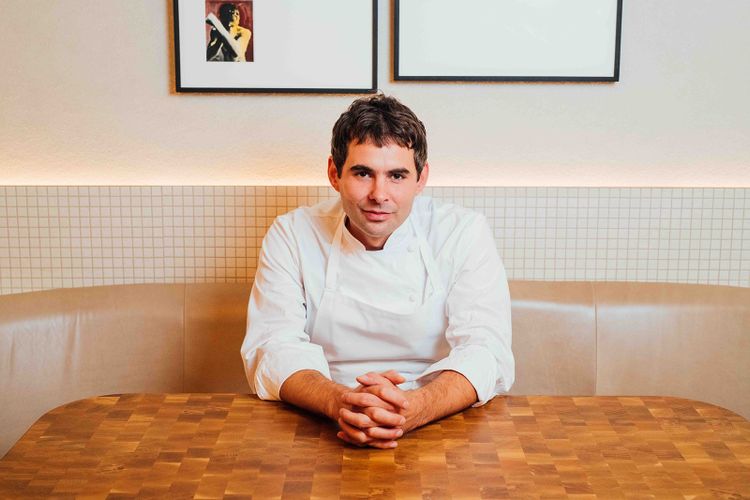
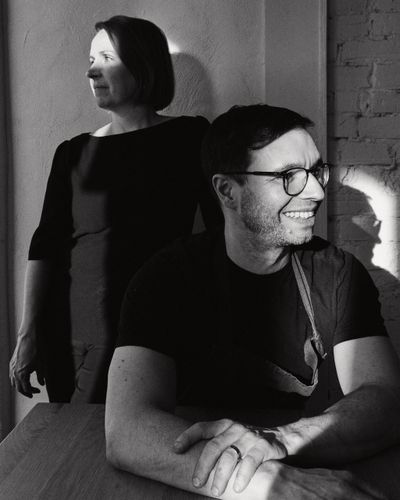
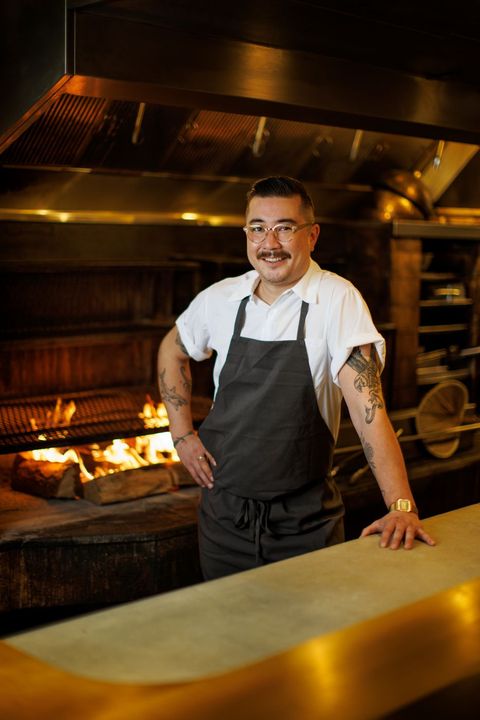
Steven Molnar began cooking at 17 and built his career through some of Canada and France’s most respected kitchens, starting at Nota Bene in Toronto under David Lee before studying at George Brown and Institut Paul Bocuse in Lyon. He later sharpened his craft at Montreal’s Toqué, returned to Toronto to work again at Nota Bene, then expanded his range through Spanish cuisine at Bar Raval and Bar Isabel. Since 2019, he has led Quetzal as executive chef, where his open-fire approach to regional Mexican cuisine has helped earn a reputation as one of Toronto’s most sought-after dining destinations.
When Quetzal opened in Toronto, nothing like it existed in the country. Elevated Mexican cuisine at a fine dining level, cooked entirely over wood, was a concept that needed to be introduced rather than recognized. The first year was equal parts hospitality and education, teaching diners what authentic Mexican food looks like when you apply the techniques of a serious tasting menu to it. Then the first COVID lockdown hit, barely a year in.
A lot of restaurants would have folded under that timing. Quetzal used it. The team kept its core group together and used the forced pause to refine everything: the menu, the beverage pairings, the rhythm of the service. When indoor dining returned, Quetzal came back stronger. In 2022, when Michelin arrived in Toronto for its inaugural Canadian guide, Quetzal earned a star on the first try. It has held that star every year since, four guides running, and has been fully booked almost every night since the announcement.
Last year, the restaurant landed at number 11 on the inaugural North America’s 50 Best list, a recognition the team describes as a genuine surprise. They’ve never cooked for lists or rankings.
A Room Shaped Like a Market
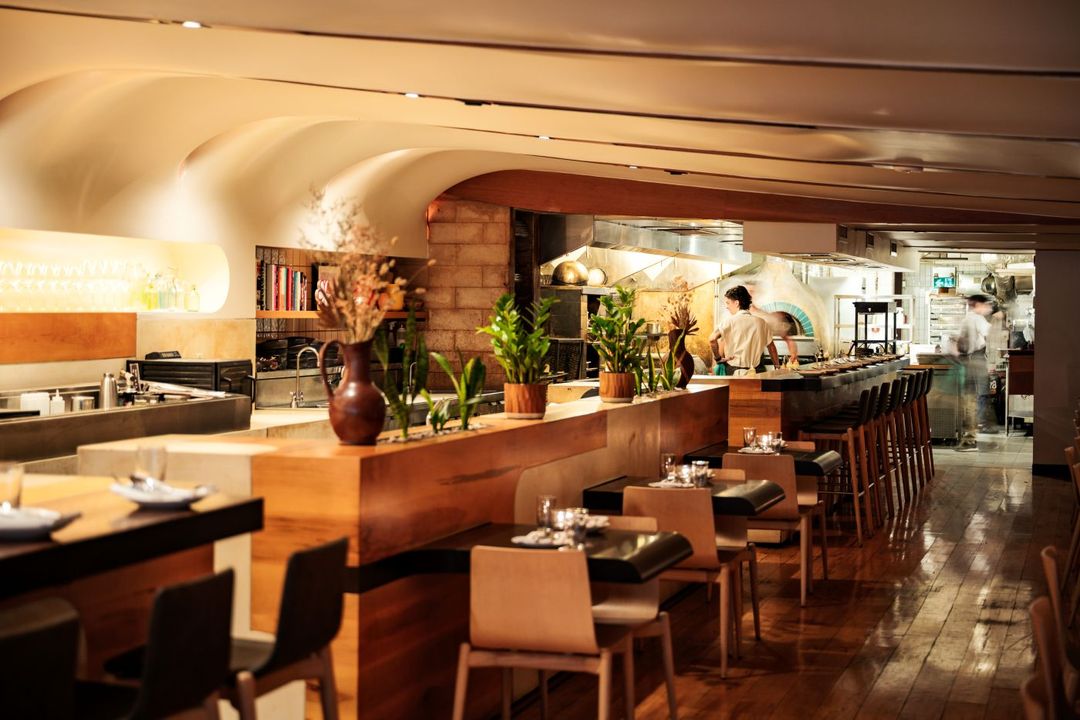
The dining room was designed by Partisans, the Toronto architecture firm, and it is unlike anything else in the city. Sloped ceilings curve overhead in a way that evokes the draped tarps of a Mexican market. Lighting runs moody and warm. Walk deeper into the room and you see the showpiece: the open fire at the back, where the entire menu comes to life.
The space is striking but never cold. What reaches the guest feels like hospitality built on actual camaraderie, not a script.
Fire as a Technique, Not a Gimmick
Head chef Julian (Grant Zangameron’s longtime collaborator, who started with him at Bar Raval and Bar Isabel before joining this project) runs a kitchen where every station orbits the fire. Some dishes are seasonal and rotate often. A few have earned permanent status because they define what Quetzal does.
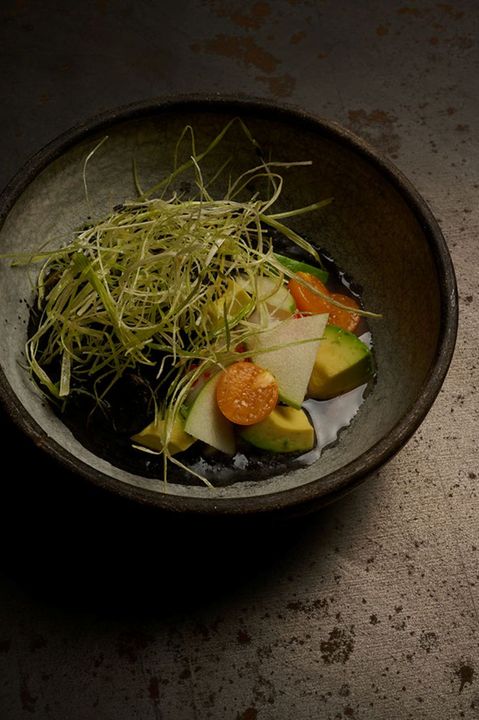
The scallop ceviche is one of them. The leche is completely, startlingly black, made by intentionally burning onions, chilies, and tortillas into a dark, smoky base, then seasoned with coconut milk and lime juice. Visually it stops the conversation at the table. On the palate it’s layered, briny, and unmistakably smoked.
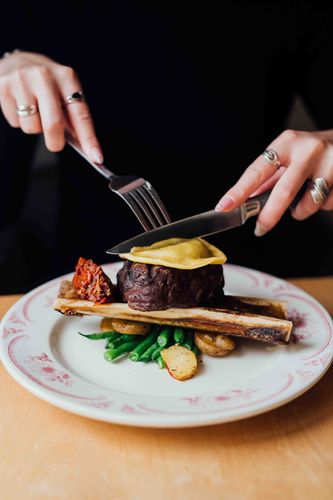
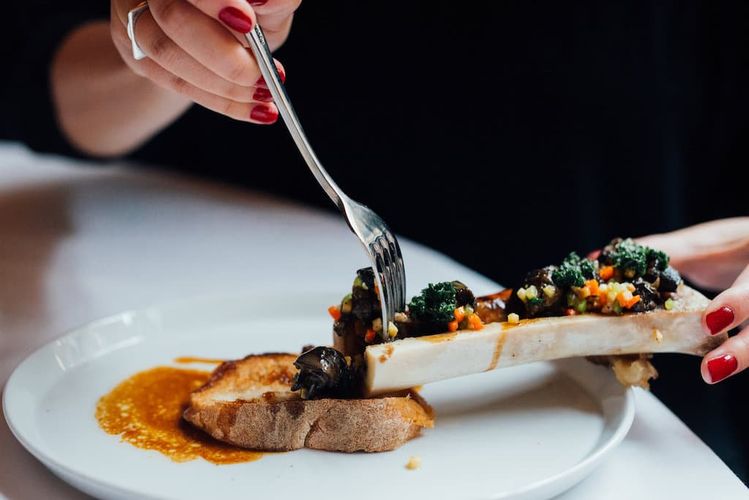
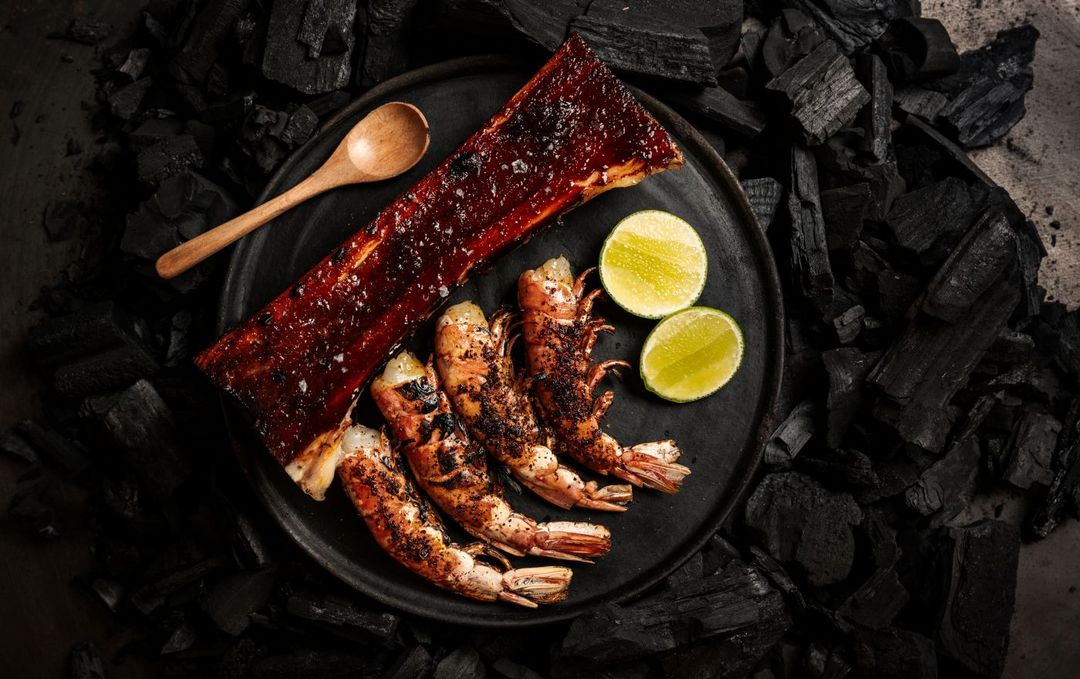
The bone marrow and shrimp is the interactive course. A veal marrow bone glazed with pasilla chilies and Ontario honey roasts in the wood oven until the glaze caramelizes deep. It arrives at the table alongside Argentinian shrimp, shells on, and a stack of fresh tortillas.
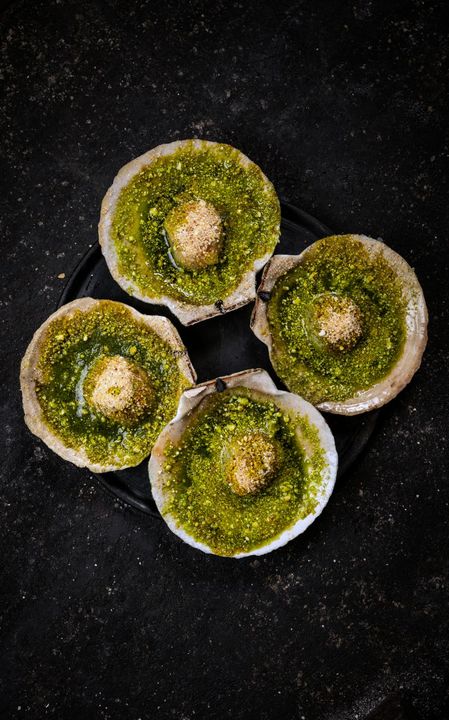
The grilled Newfoundland scallops are probably the most Instagrammed dish on the menu, and one of the most popular. Grilled in the shell over coals, finished with green garlic butter, and dusted with a house-made Tajín popcorn powder (dehydrated lime zest, chilies, spices, popcorn, all ground together), it’s the kind of dish that tells you exactly what kind of kitchen this is.
Drinks with Their Own Voice
Quetzal’s cocktail program is built on agave. Tequila and mezcal sit at the centre of almost every drink, reflecting the role they play in Mexican drinking culture. The list rotates seasonally, but a few classics have stayed. The No Heather, a signature cocktail since early days, is made with fresh green juice of parsley and poblano peppers, bright green in the glass, herbaceous and clean.
The wine list took longer to find its audience. Diners didn’t always associate wine with Mexican food, but the team leaned into pairings and showed how well bold wines match bold flavours. A structured red with mole. A Hungarian white with a seafood course. The beverage pairings on the tasting menu move fluidly between wine, cocktail, sake (chef is half Japanese and leans into this when it works), and even mezcal with dessert.
The Verdict
Quetzal is a rare restaurant. It has the discipline of a Michelin-starred kitchen, the warmth of a room that feels like it was designed for you, and a single-minded commitment to fire that elevates every plate. It is expensive, it books up, and it is worth the planning.
If you are serious about Toronto dining, Quetzal is on the short list.
Written by Fabie Lubin