Berto: Villeray (Finally) Has Its Osteria, Courtesy of Riccardo Bertolino
Osteria Berto
- $$
- Booking
-
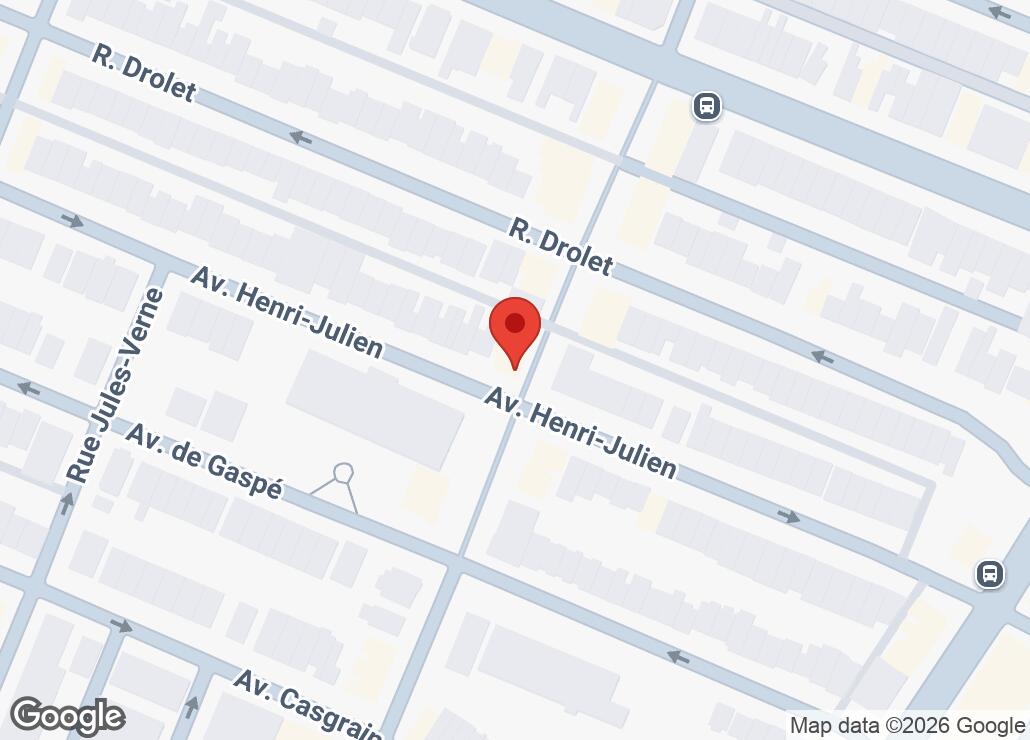
7331 Avenue Henri-Julien Montréal H2R 2B1
+1 438-385-7575 -
Monday: Closed
Tuesday: Closed
Wednesday: 5:30 PM – 10:00 PM
Thursday: 5:30 PM – 10:00 PM
Friday: 5:30 PM – 10:00 PM
Saturday: 5:30 PM – 10:00 PM
Sunday: 5:30 PM – 10:00 PM
-


- Restaurant
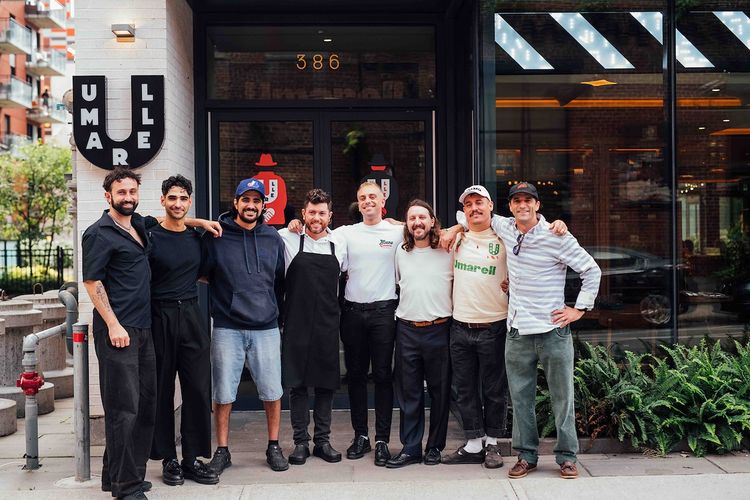
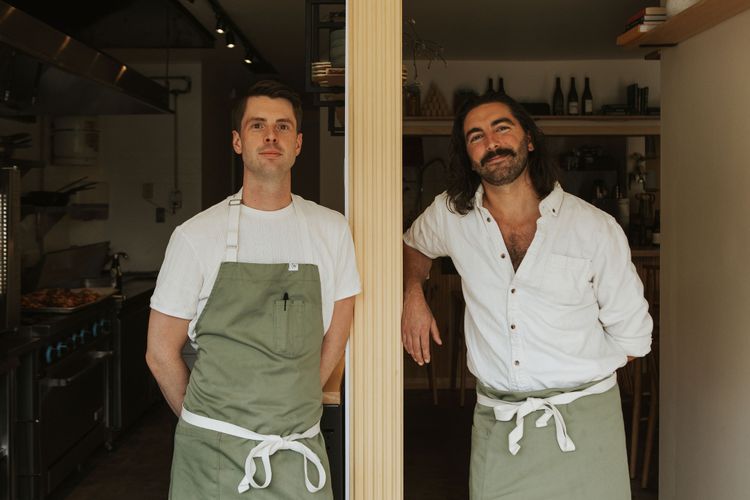
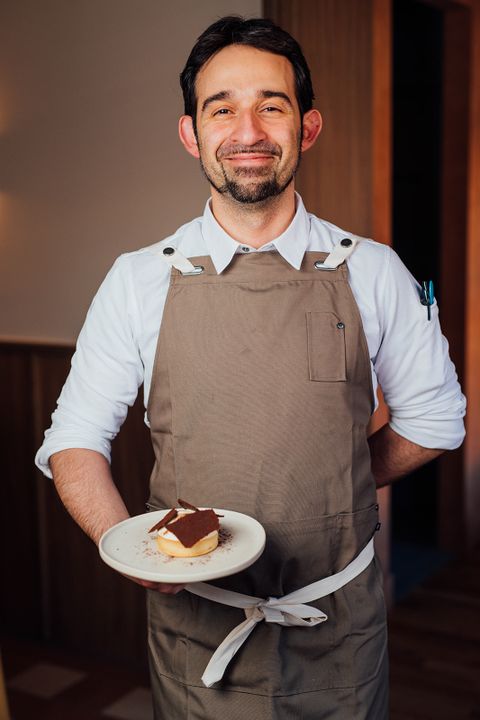
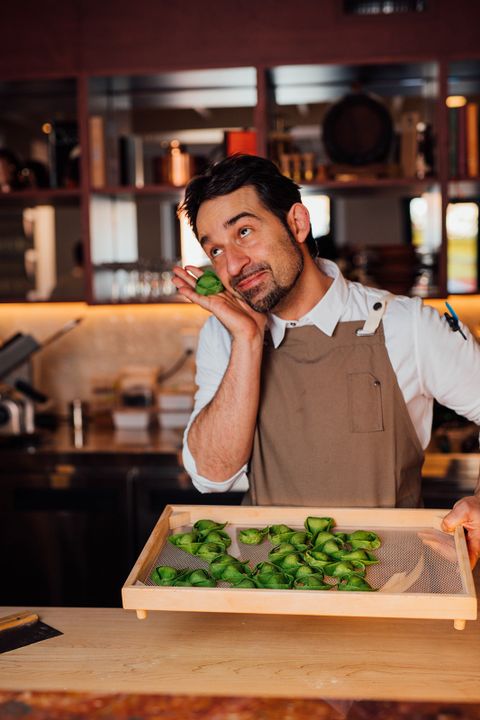
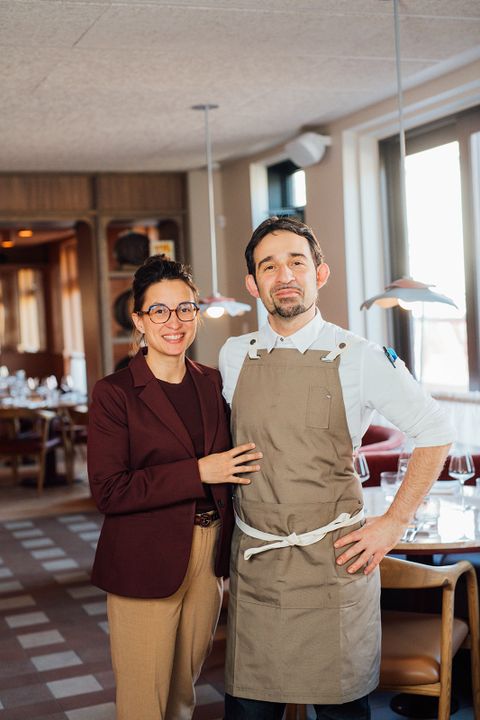
There are restaurants you wait a few months for. Berto, we’d been waiting on since 2018. That’s the year Riccardo Bertolino (executive chef of Maison Boulud from 2012 to 2020, trained under Daniel Boulud from 2008 to 2025) and his wife Isabel Bordeleau (sommelier at Maison Boulud, then Pullman, then sommellerie instructor at ITHQ for seven years) started talking about it seriously. Opening their own place. Not another downtown French fine-dining restaurant. Something humbler, more them. An osteria.
Eight years later, on May 21st, 2026, Berto opened its doors at the corner of Castelnau, in Villeray. And let’s be clear from the start: it was worth the wait.
Berto, A life project, not a restaurateur’s project
Riccardo has worked in kitchens since the age of 13. When you ask why open now, Isabel’s answer disarms with its simplicity: “Riccardo can’t do anything else. It’s all he knows how to do.” But he does it so well. Berto is his life project.
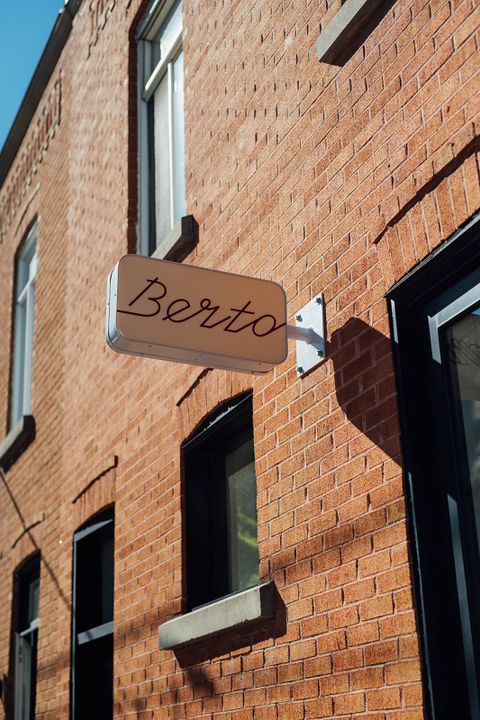
The name, Berto, is his nickname back in Italy. Short, simple, easy for Quebecers. No forced storytelling. No manifesto. Just a familiar first name on a storefront.
The neighbourhood first, the concept second
Here’s what sets Berto apart from nearly every restaurant opening in Montreal: Riccardo and Isabel had no predefined concept. They’d been looking for a space for a long time, with no fixed idea. One evening, after dinner in the area, they took a walk through a neighbourhood they didn’t really know. Small lights outside, a street corner that breathed, an energy. The space — formerly Bistro L’Enchanteur, which had operated at the same address for 27 years — became available.
That’s when everything flipped. Rather than arriving with a concept in hand and looking for a neighbourhood to host it, they let the neighbourhood dictate what came next. “We took the time to soak in the place. We let the area inspire what we wanted to do.” Downtown? Too formal for what Castelnau inspired. Villeray called for something warmer, more shared, less protocol-driven. An osteria, in the end. Not by default — by obviousness.
That’s rare. Most chefs arrive with a vision and impose their restaurant on a neighbourhood. Riccardo and Isabel did the opposite, and you feel it in every detail of the place.
A chef’s kitchen without the chef’s pose
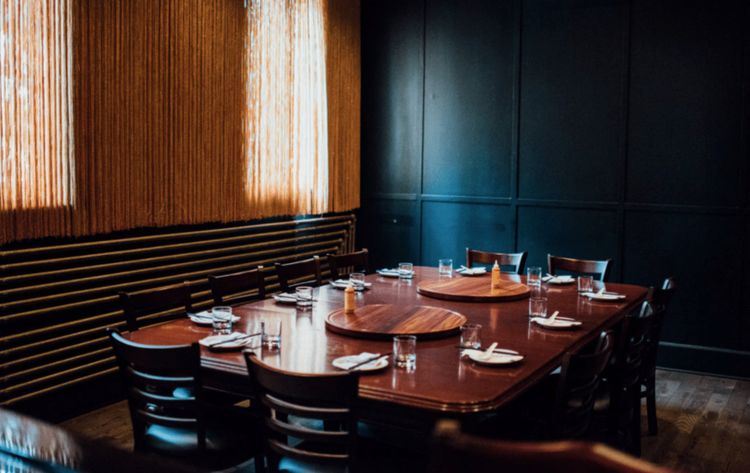
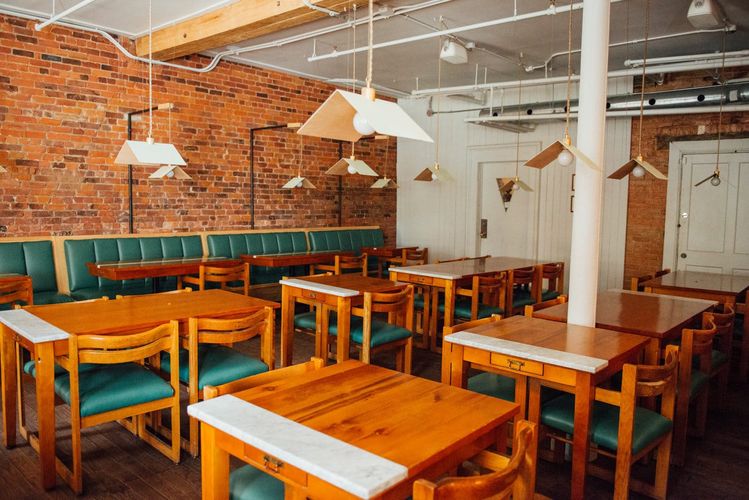
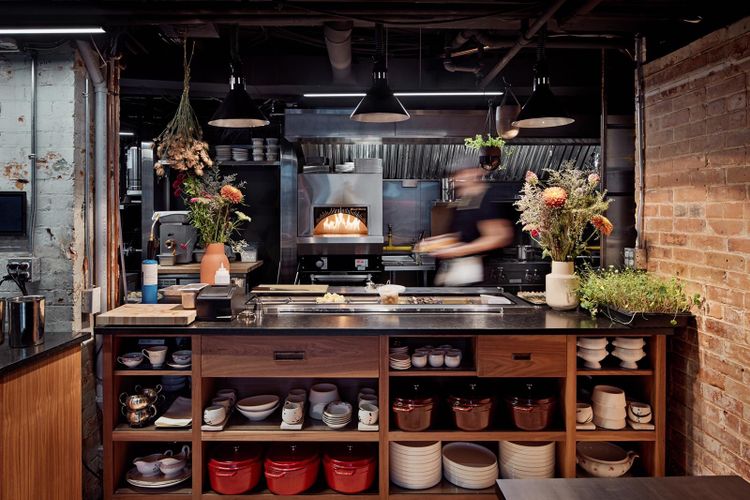
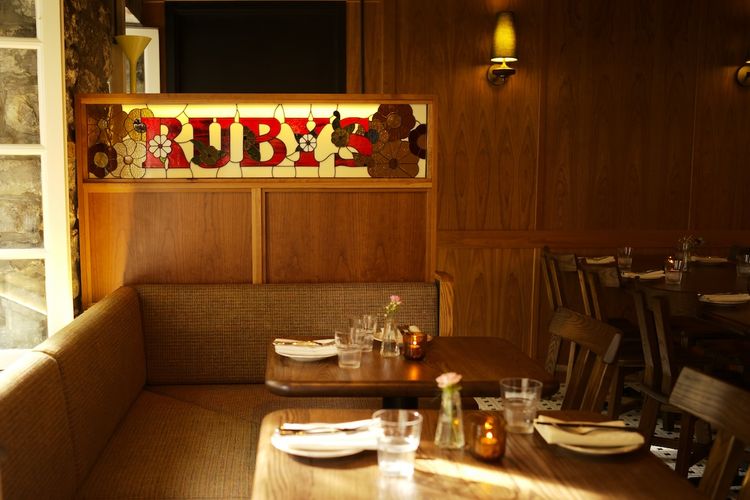
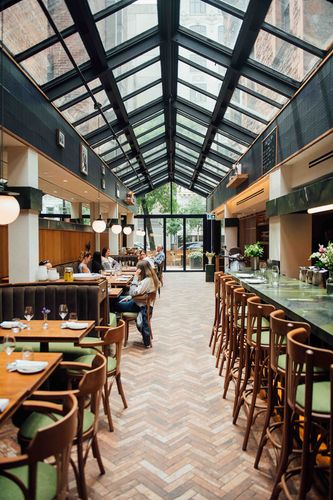
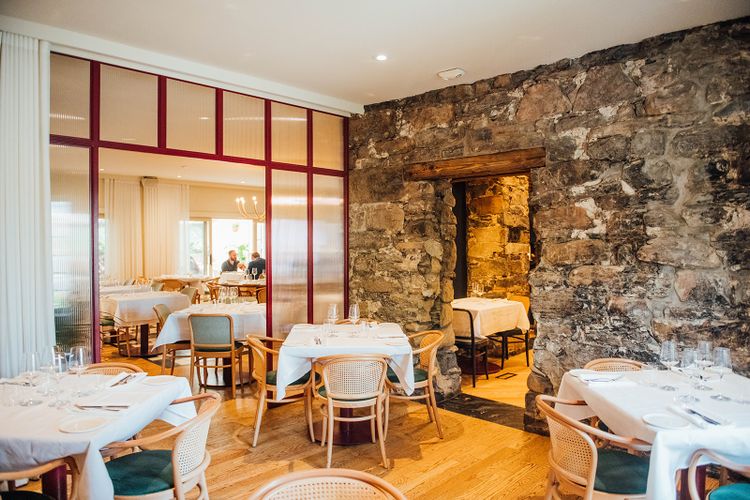
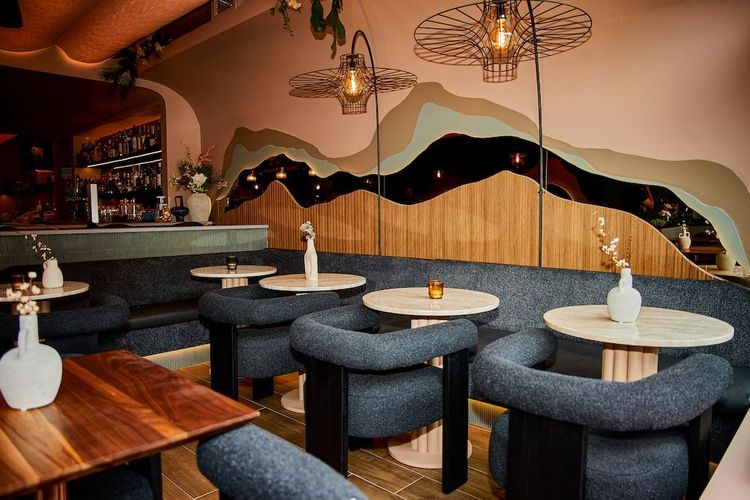
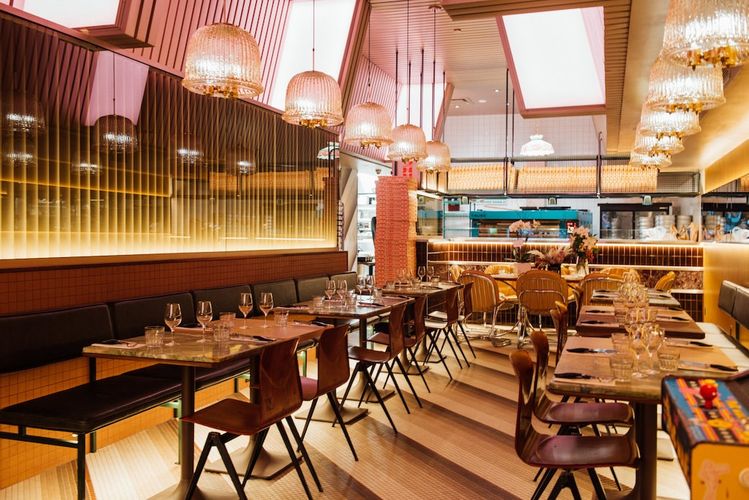
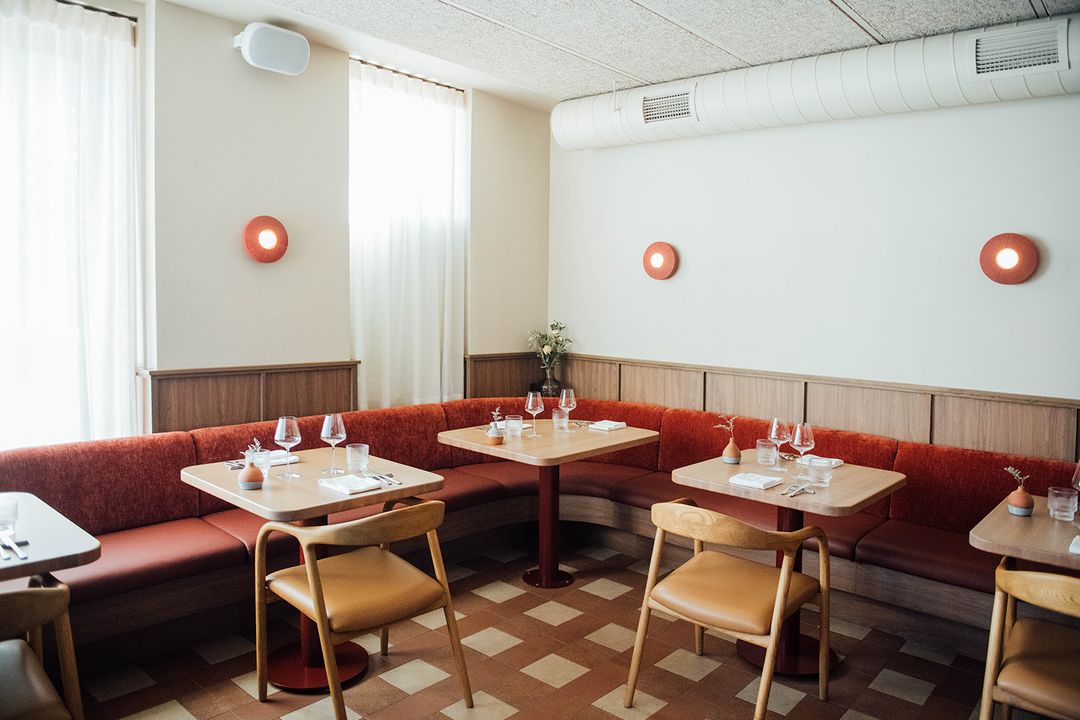
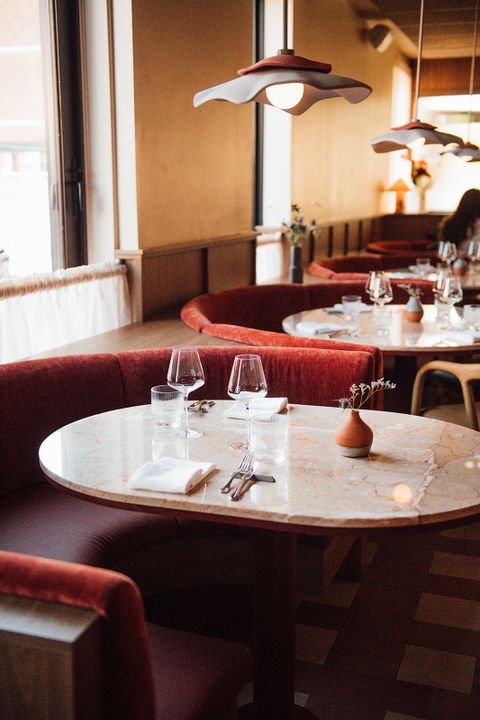
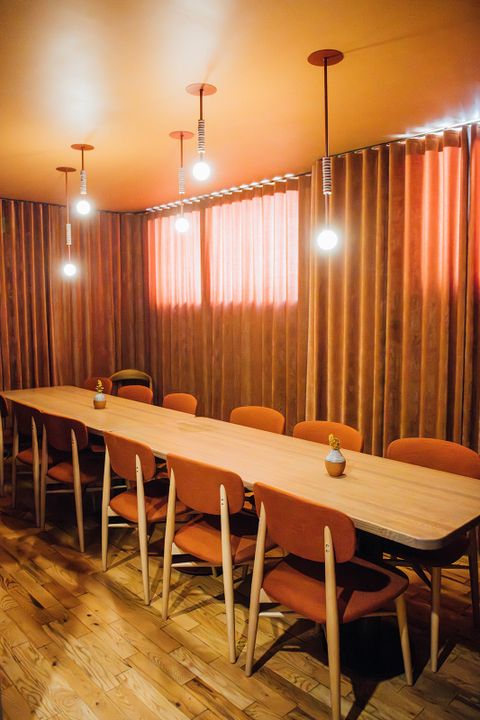
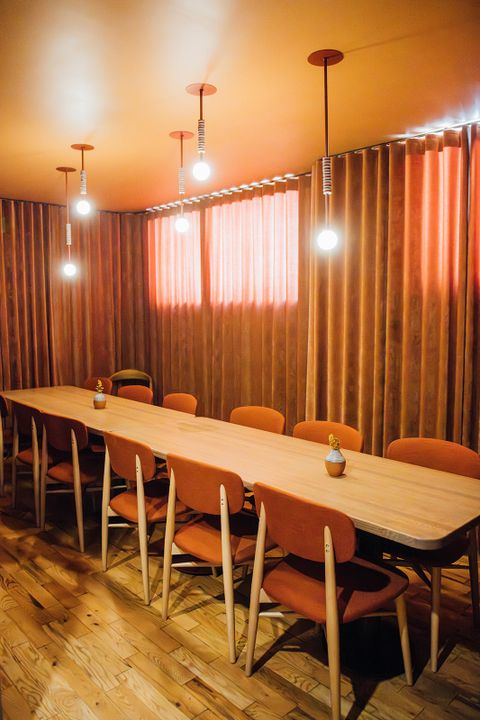
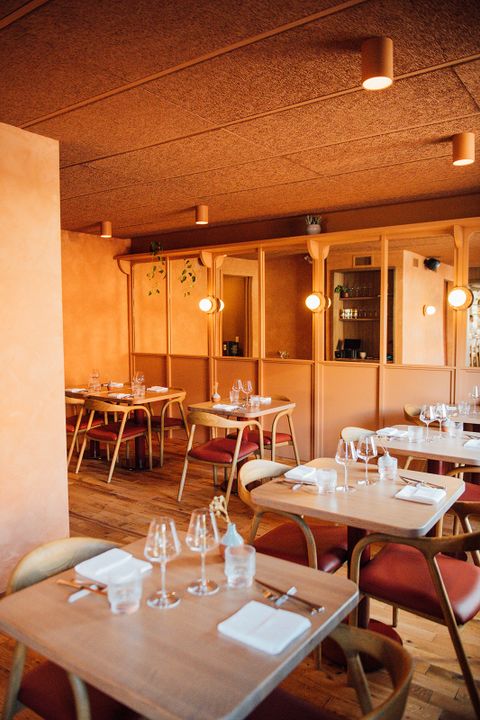
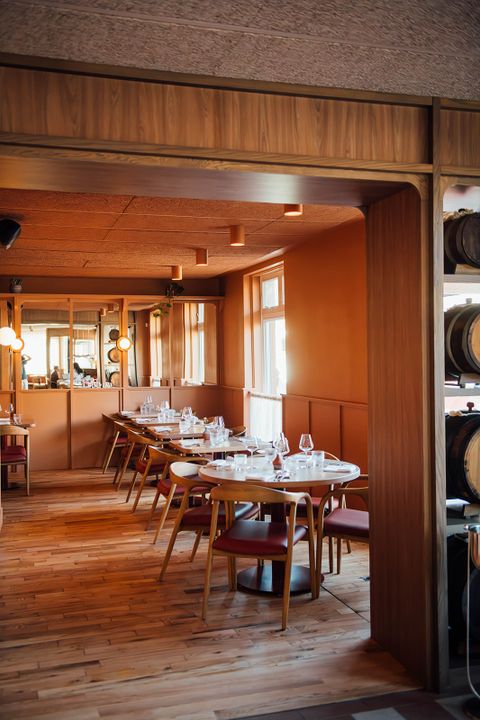
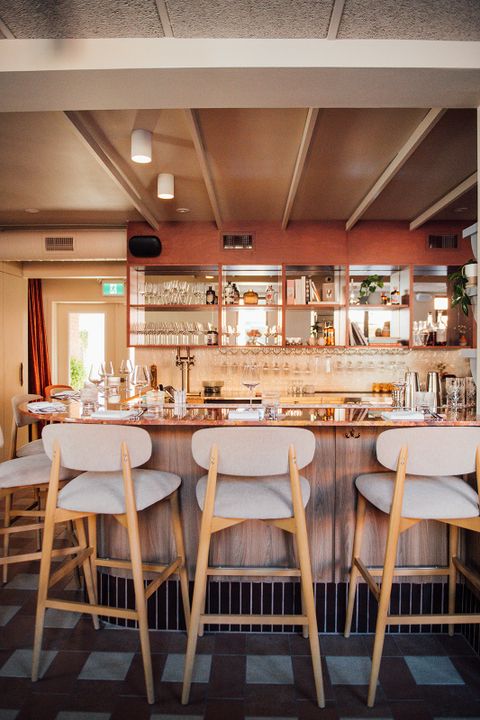
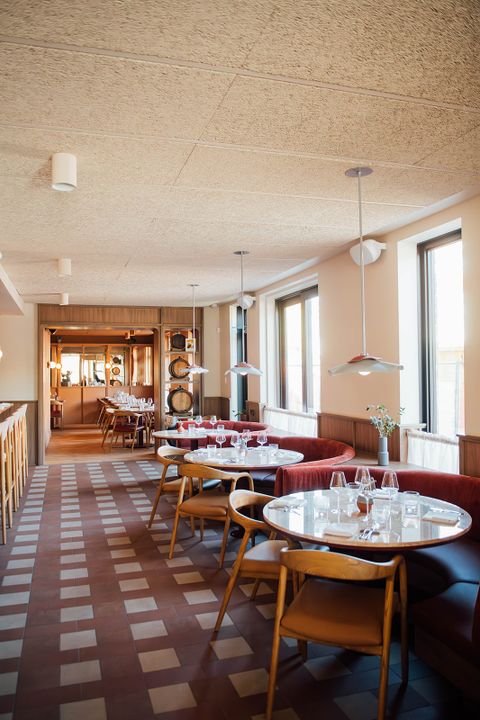
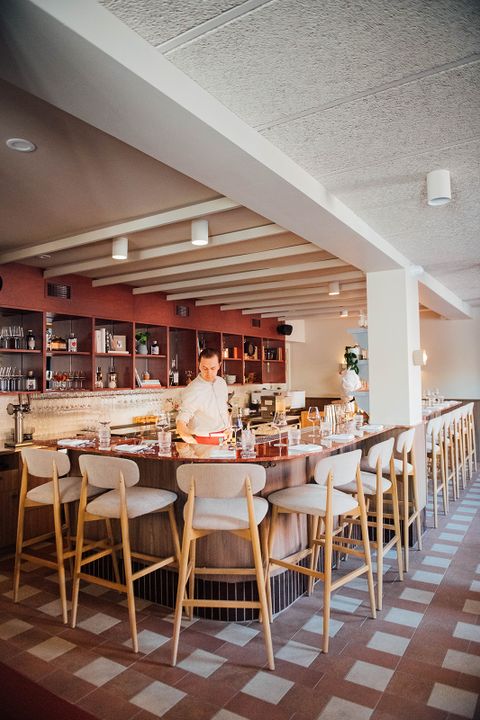
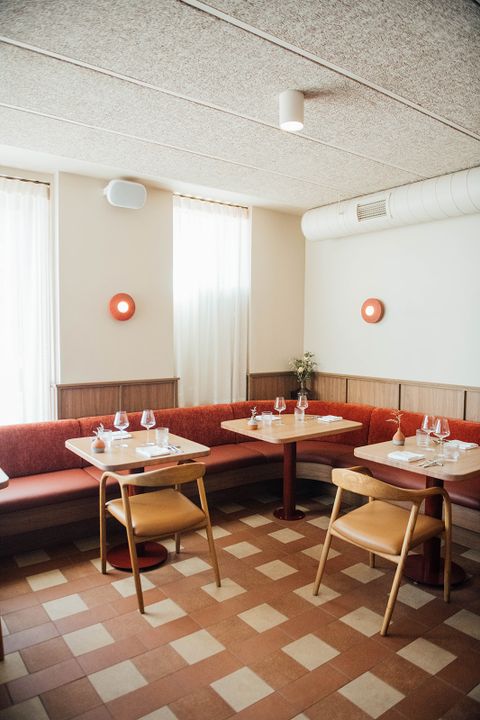
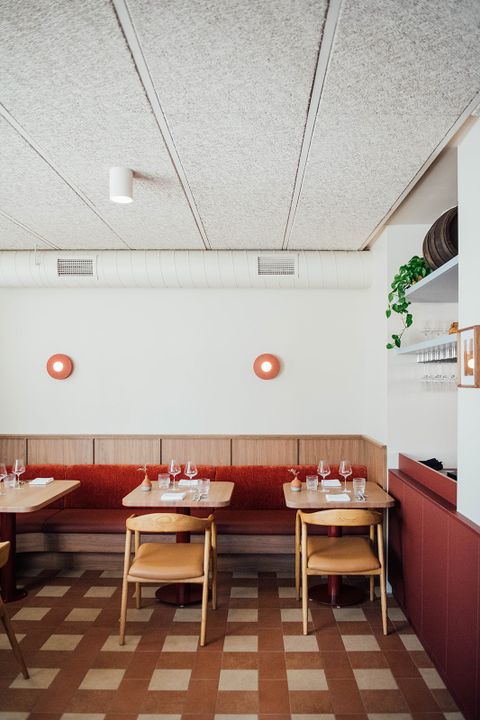
70 seats in the dining room, 11 at the bar, 12 in a private room, and about twenty on the terrace. Custom banquettes, spacing between tables borrowed from fine dining, carefully designed lighting. The décor surprises the moment you walk in. It’s elegant, well-executed, signed Mise à jour studio. It’s quiet. You feel good. You can hear yourself talk.
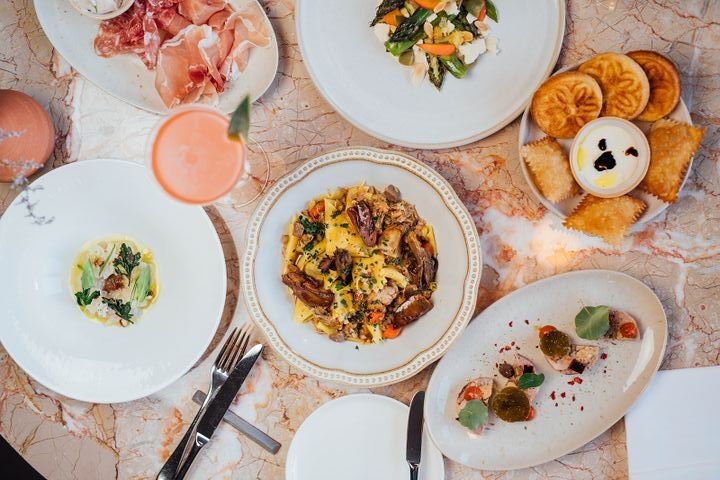
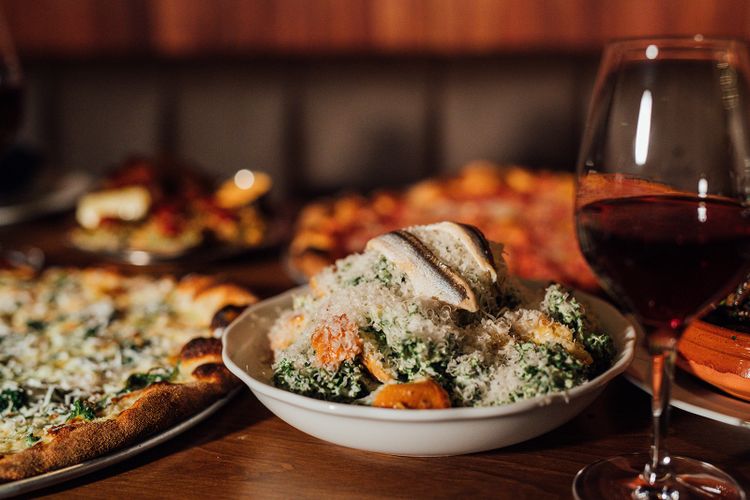
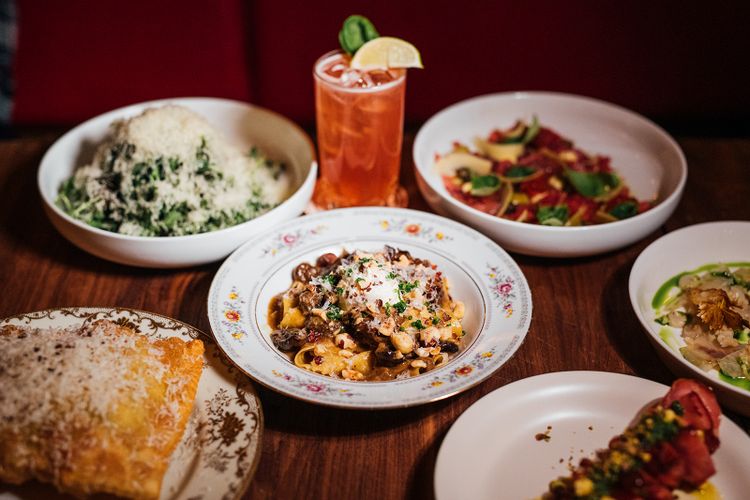
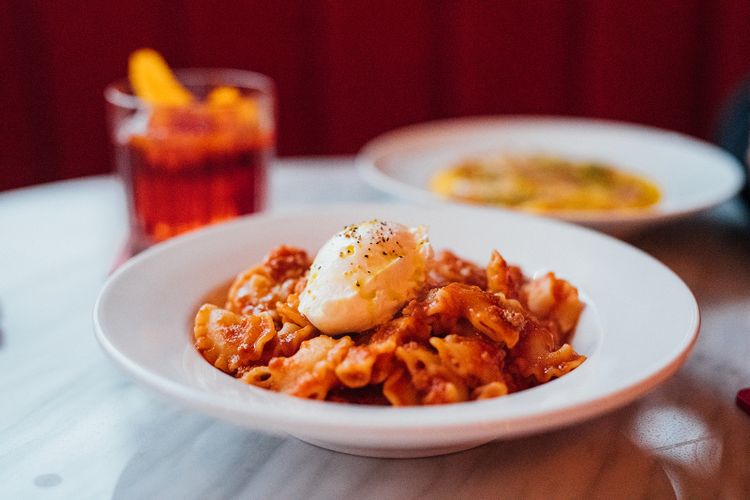
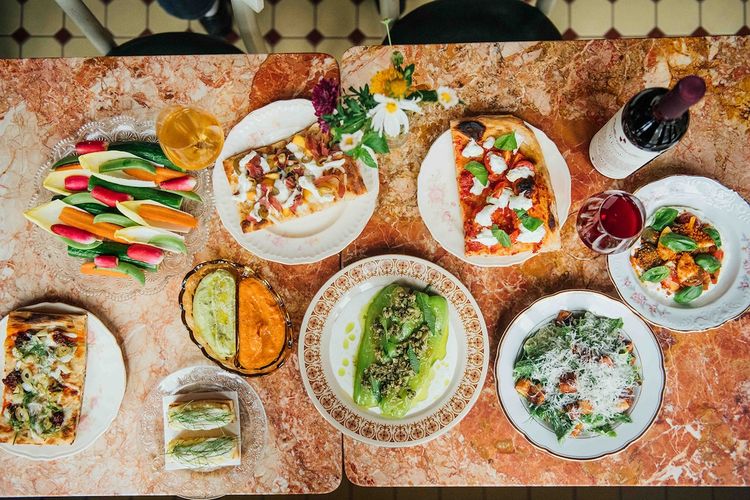
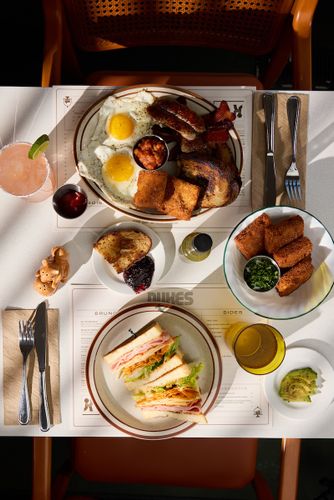
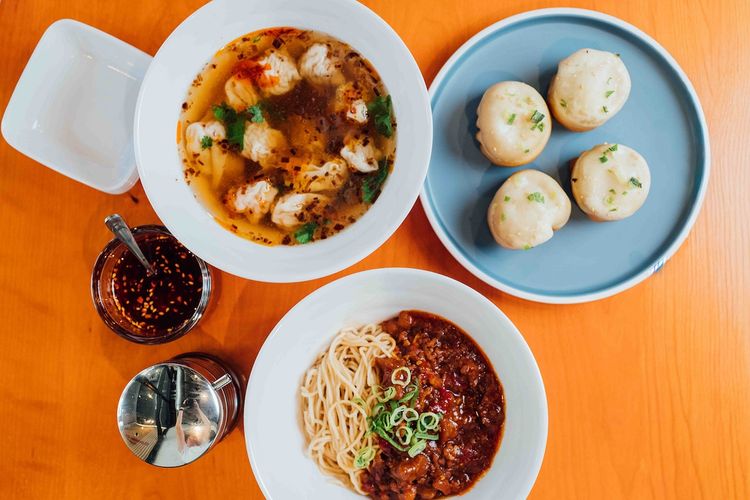
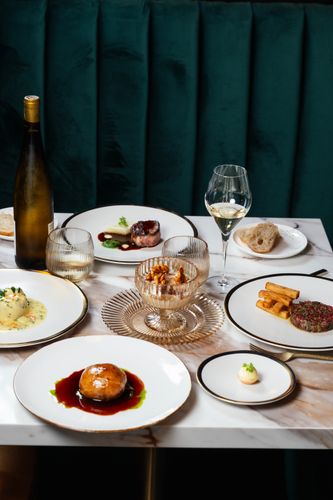
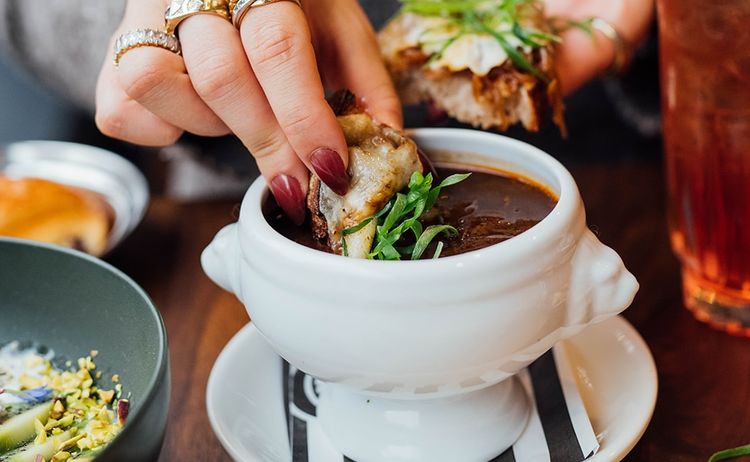
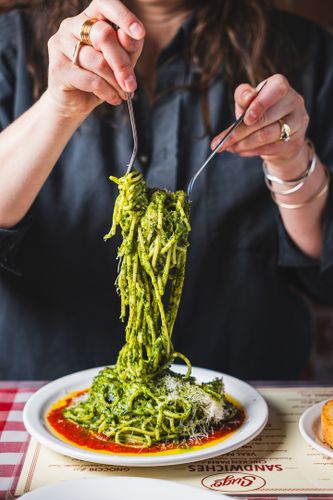
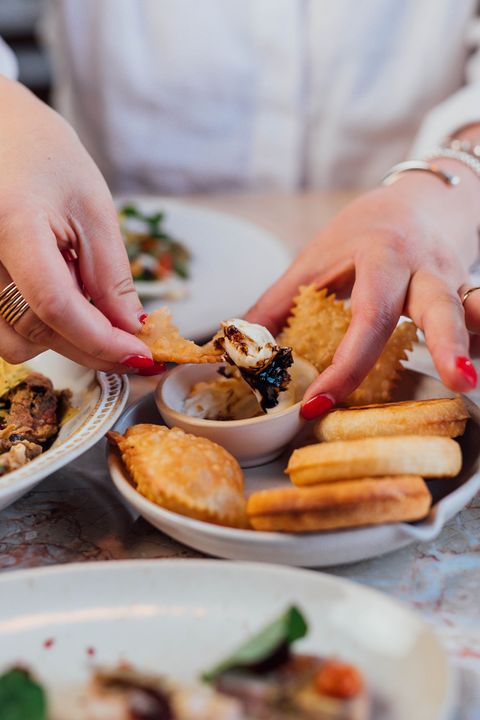
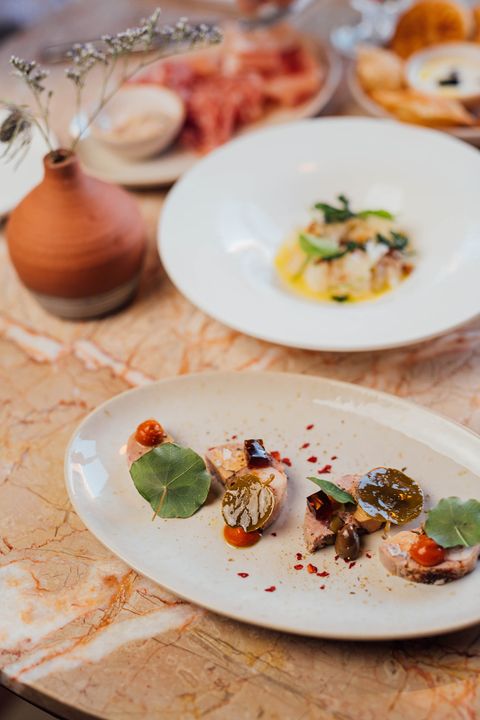
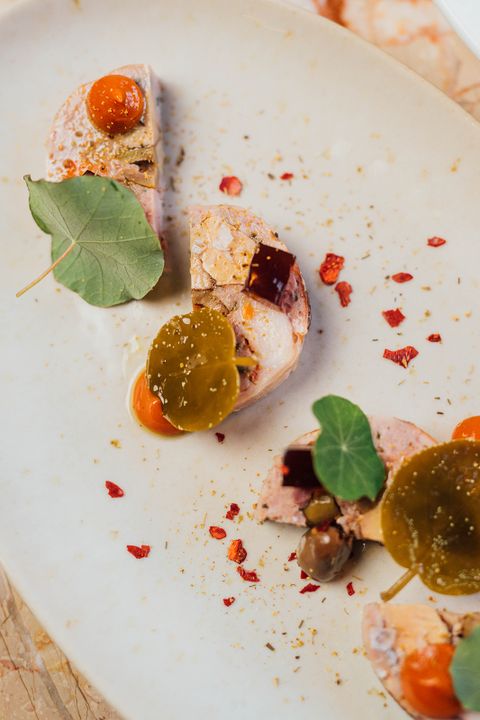
The menu, which will change with the seasons, fits on two cleanly typeset pages. Four sections, no fuss: lèche-doigts (finger food), starters, tour de main (the pasta, obviously), and mains. It’s the grammar of the Italian osteria, but read by someone who spent 20 years in French haute cuisine. The address now belongs among Montreal’s best Italian restaurants and serves some of the best pasta in the city.
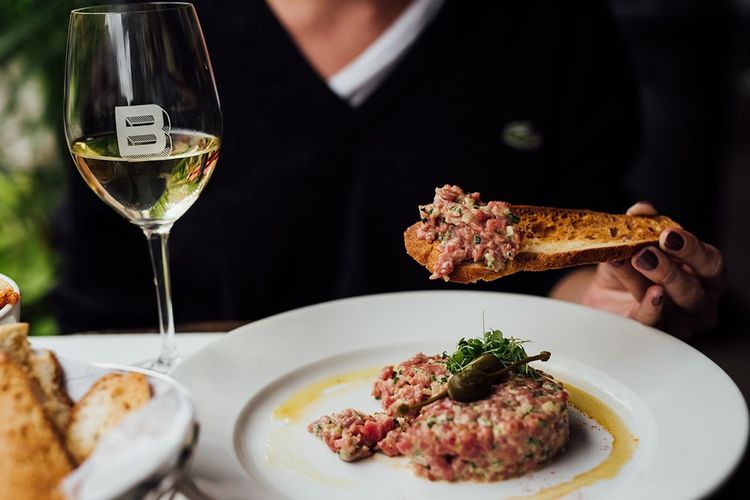
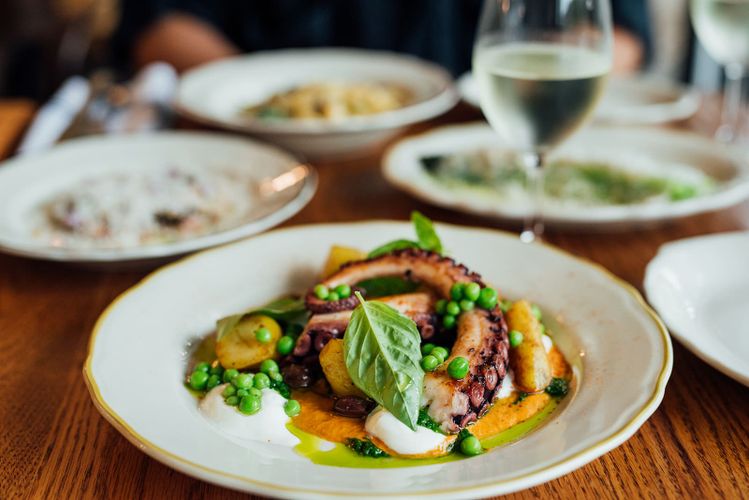
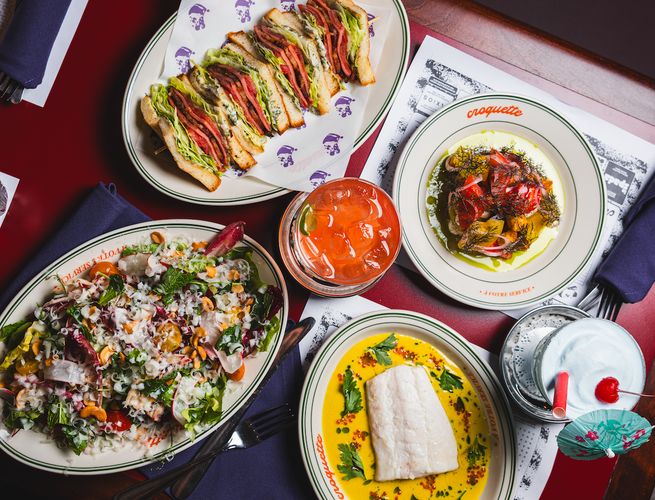
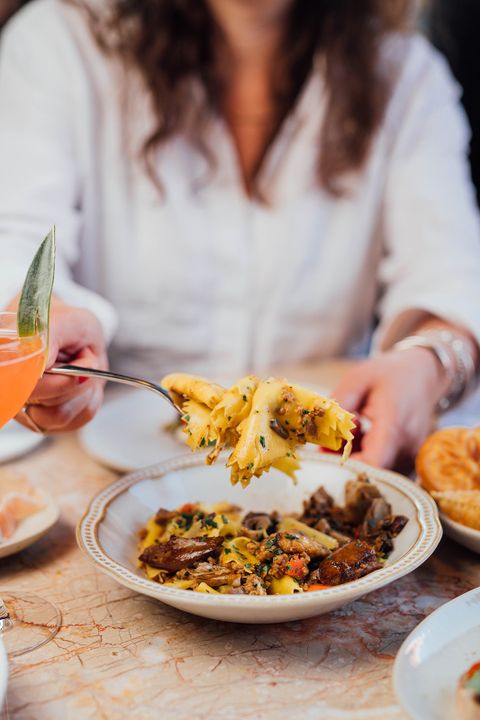
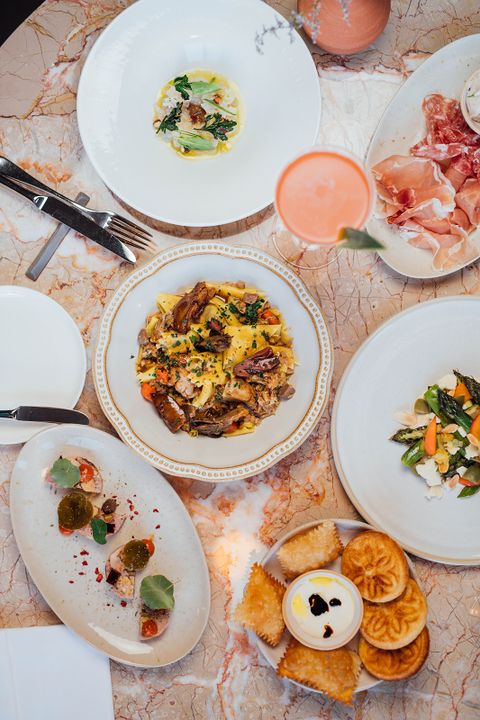
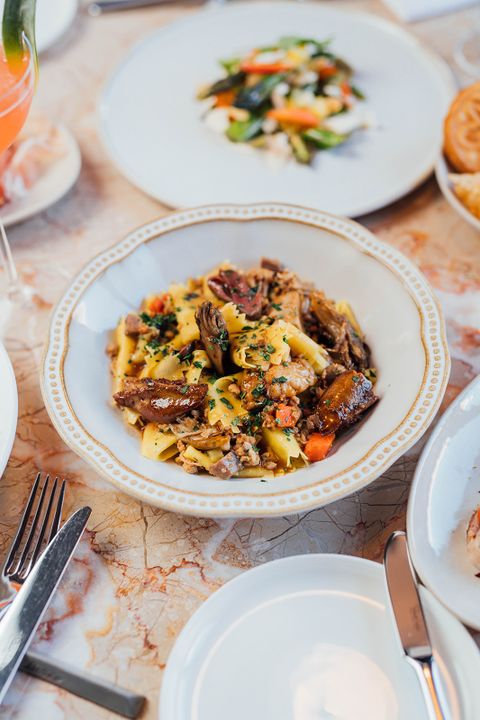
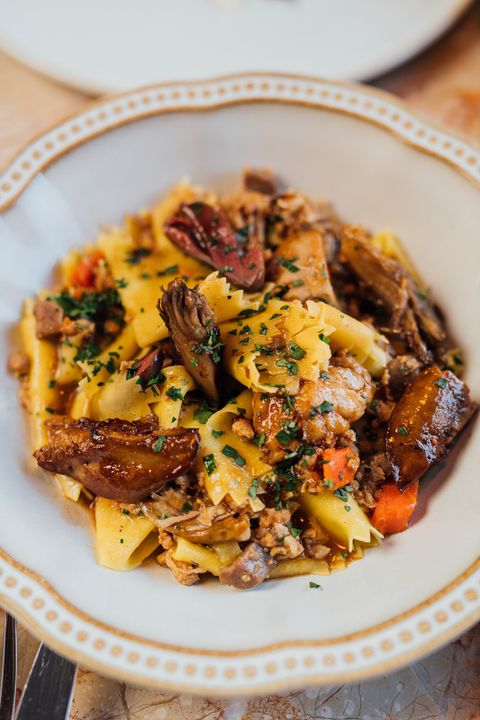
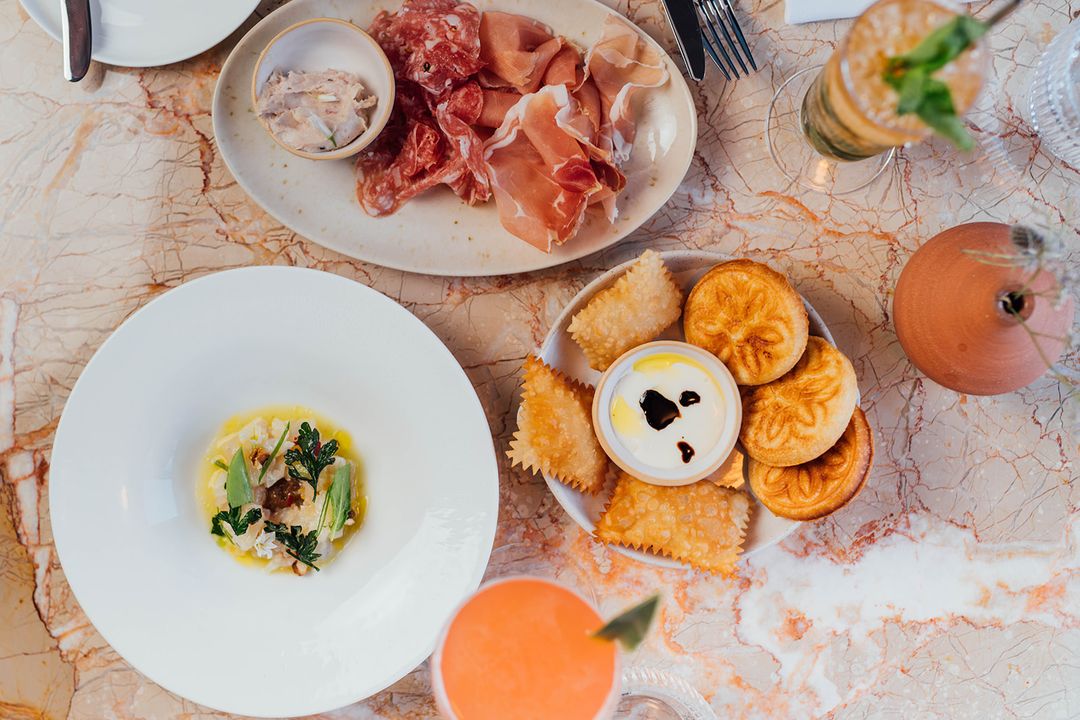
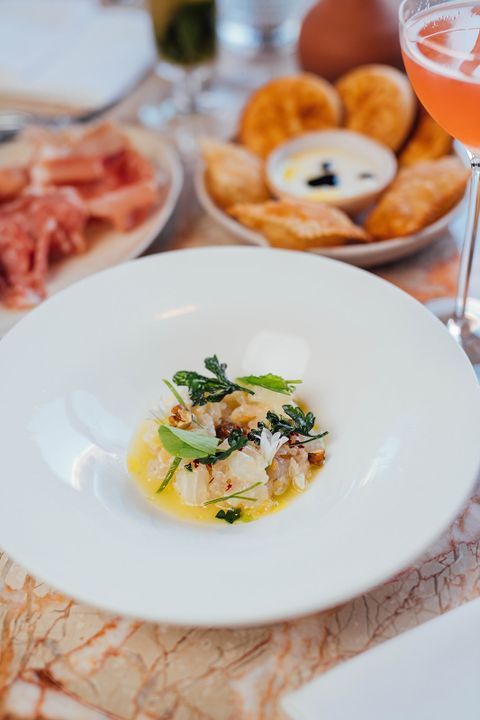
The Vitello Tonnato (roasted milk-fed veal carpaccio, salsa tonnata, anchovies) is among the signature dishes, and probably one of the best in town. Un peu de chez moi (prosciutto di Parma, cunza, gnocco fritto, tigelle, stracchino) is exactly what the name promises: a plate of Emilia-Romagna, no translation needed. The favourite dish is the Stracci alla Finanziera with white ragù, maitake, guinea fowl liver, and sweetbreads. It’s a chef’s kitchen hiding inside a pasta dish — you have to taste it to understand.
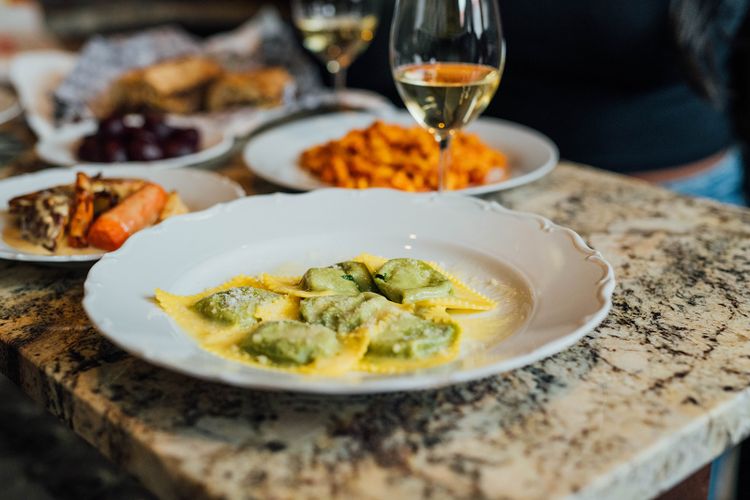
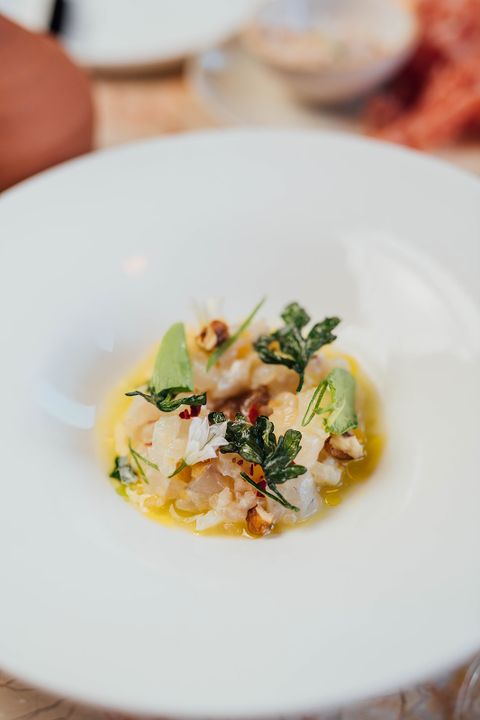
Big crush, too, on the Tortelli verdi with ricotta di bufala and 24-month parmigiano reggiano, and on the Îles-de-la-Madeleine scallops with white asparagus, speck, and brown butter. The prices are honest for this level of execution: we’re in great neighbourhood spot territory, not downtown fine dining. That’s exactly the bet: take Boulud’s rigour and bring it to the corner of the street.
A wine list that starts a conversation
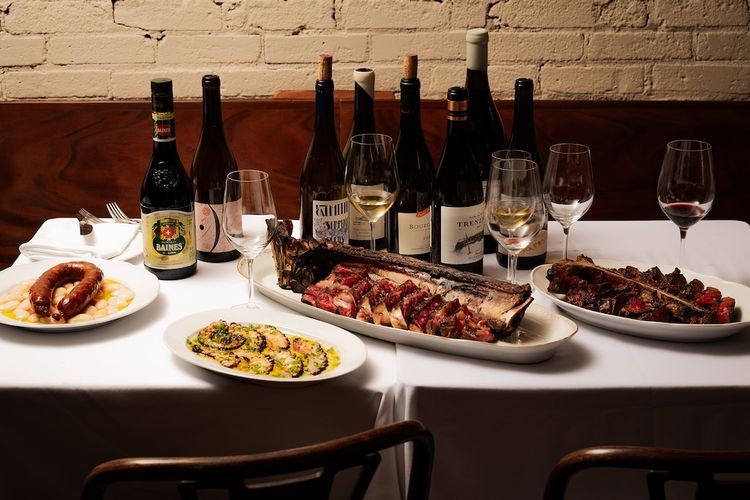
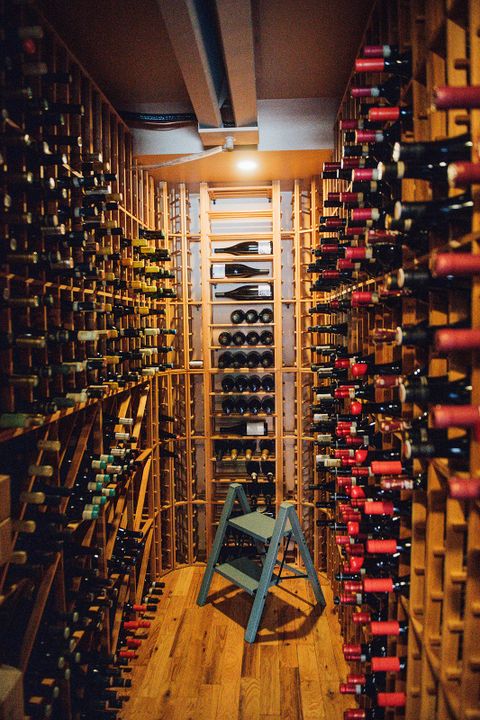
Isabel Bordeleau taught sommellerie for seven years. Her list has nothing dogmatic about it. “No chapel. Smaller producers, less interventionist, but first and foremost: is it good?” The list is open to the world: Italian first, yes, but with beautiful wines from everywhere. It’s a list that starts a conversation rather than imposing a posture.
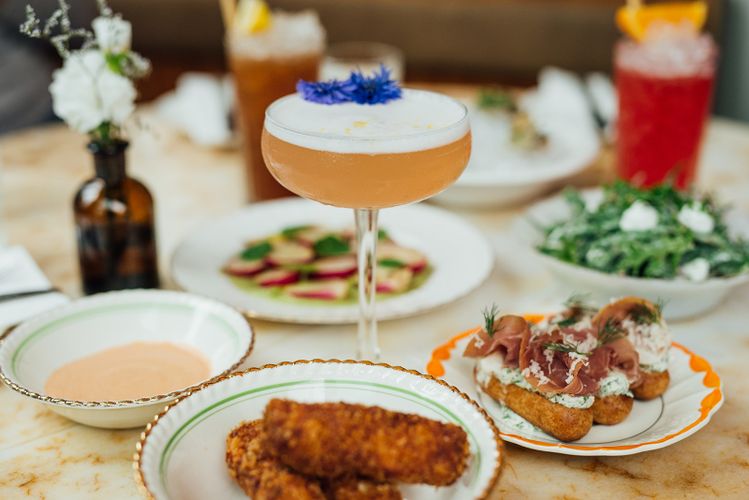
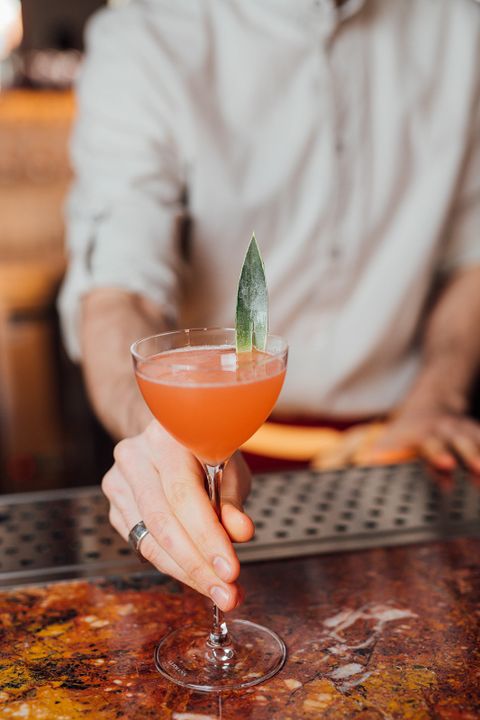
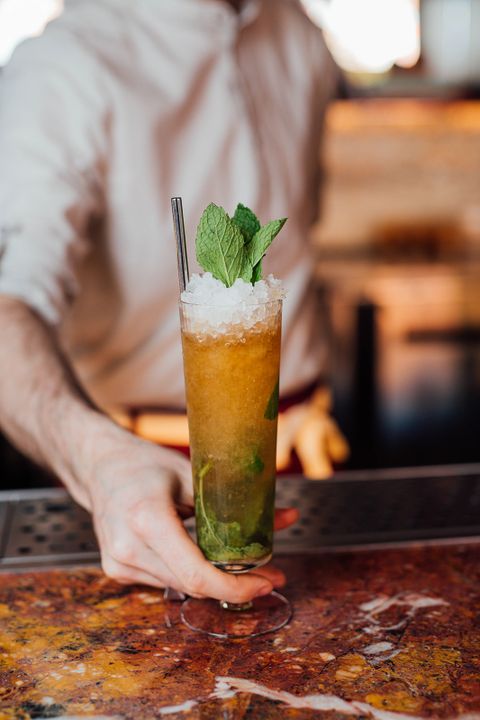
Behind the bar, Connor Scott signs the cocktails (house creations and classics) with an Italian thread that plays with amari, the Americano, and non-alcoholic creations that aren’t consolation prizes. The cocktails and mocktails are genuinely remarkable.
The Batteria: six casks that put Berto on the world map
Here, you have to stop. Berto houses the 3rd batteria of aceto balsamico tradizionale in North America, all categories combined. The only one in Canada. Six casks of pure balsamic, shipped by boat from Modena, installed under a custom-built arch inside the restaurant. The producer, Andrea Bezzecchi (one of the greatest in Italy), will come every year to perform the passaggio: decanting from the youngest to the oldest cask, so every vintage ages by one year.
For those unfamiliar with this near-religion of balsamic vinegar: Aceto Balsamico Tradizionale di Reggio Emilia is an exceptional balsamic, rarer than its Modena counterpart, and the polar opposite of the “industrial balsamic” found in grocery stores. It’s a living, fermented product, aged a minimum of 12 years (often 25, sometimes 50+) in a series of successive wooden casks. It’s savored drop by drop. It’s quite literally worth its weight in gold.
“You can’t shortcut the process. The only way to make great balsamic is time. No rush. Good things take time.” Riccardo says it about balsamic, but it’s also the sentence that sums up Berto. Eight years of waiting. 20 years of French cooking before the osteria. A centuries-old product to launch a restaurant built to last.
Should you go to Berto?
Yes. We strongly recommend it.
Berto could have aimed for a Michelin star. Riccardo has the technique, the résumé, the network, and Isabel has the cellar. They chose something else: an ambitious neighbourhood restaurant, where you share a table, where the cooking is serious but the welcome is unpretentious and generous. “To please and be loved by the neighbourhood” is literally what Isabel answers when asked what excites her most.
That’s what was missing in Villeray. That’s what was missing in Montreal: the return of Riccardo and Isabel.
Good things take time, Riccardo says about balsamic. The same goes for restaurants that matter. Berto has just begun its aging. We can’t wait to see what it will be in ten years — but in the meantime, go now.
Written by Élise Tastet
Photography by Alison Slattery