Bayrut: Authentic Lebanese Cuisine
Bayrut Restaurant
- $$
- Booking
-
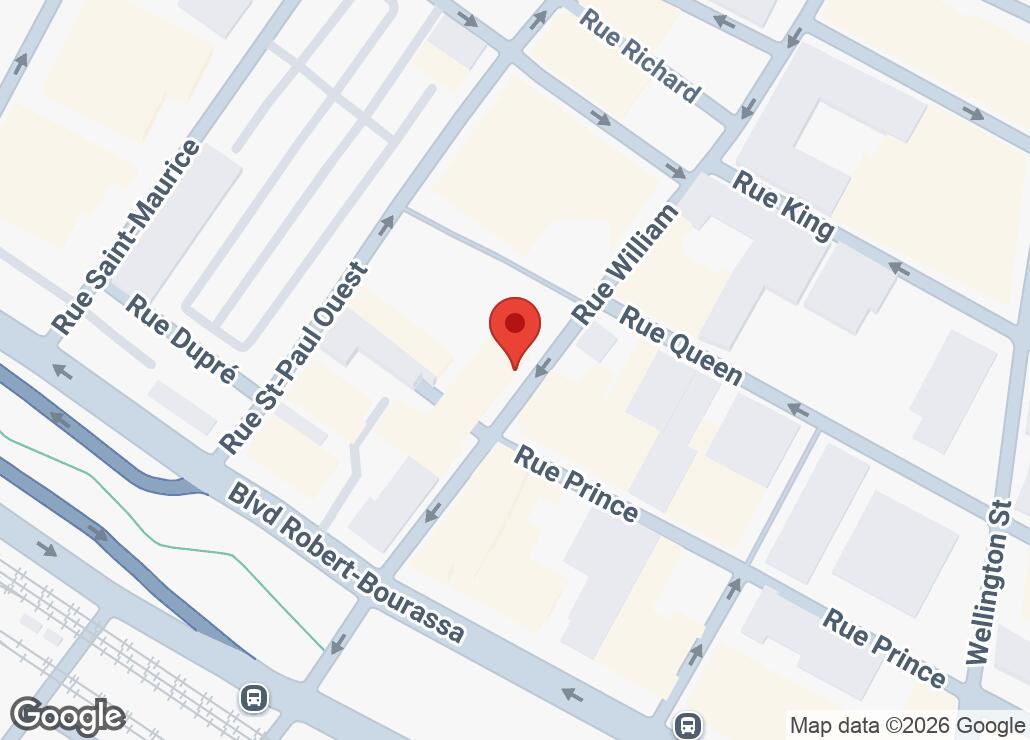
727 Rue William Montréal H3C 1N8
+1 438-809-3867 -
Monday: Closed
Tuesday: 6:00 PM – 10:00 PM
Wednesday: 11:30 AM – 3:00 PM, 6:00 PM – 10:00 PM
Thursday: 11:30 AM – 3:00 PM, 6:00 PM – 10:00 PM
Friday: 6:00 PM – 10:00 PM
Saturday: 11:00 AM – 4:00 PM, 6:00 PM – 10:00 PM
Sunday: 11:00 AM – 4:00 PM, 6:00 PM – 10:00 PM
-

- Restaurant
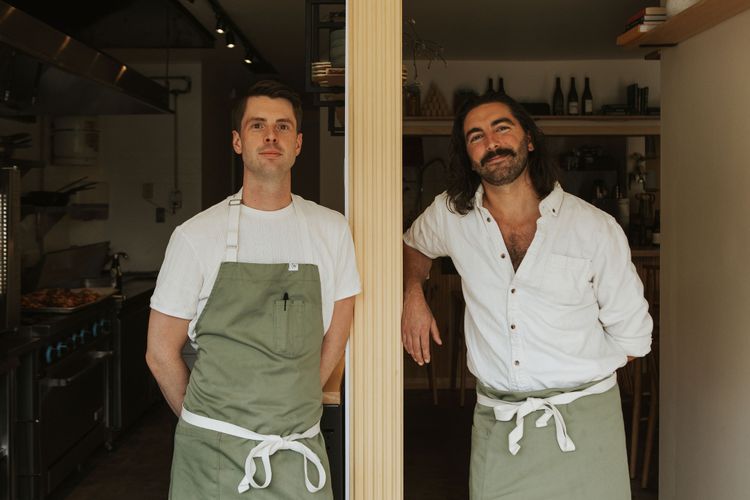
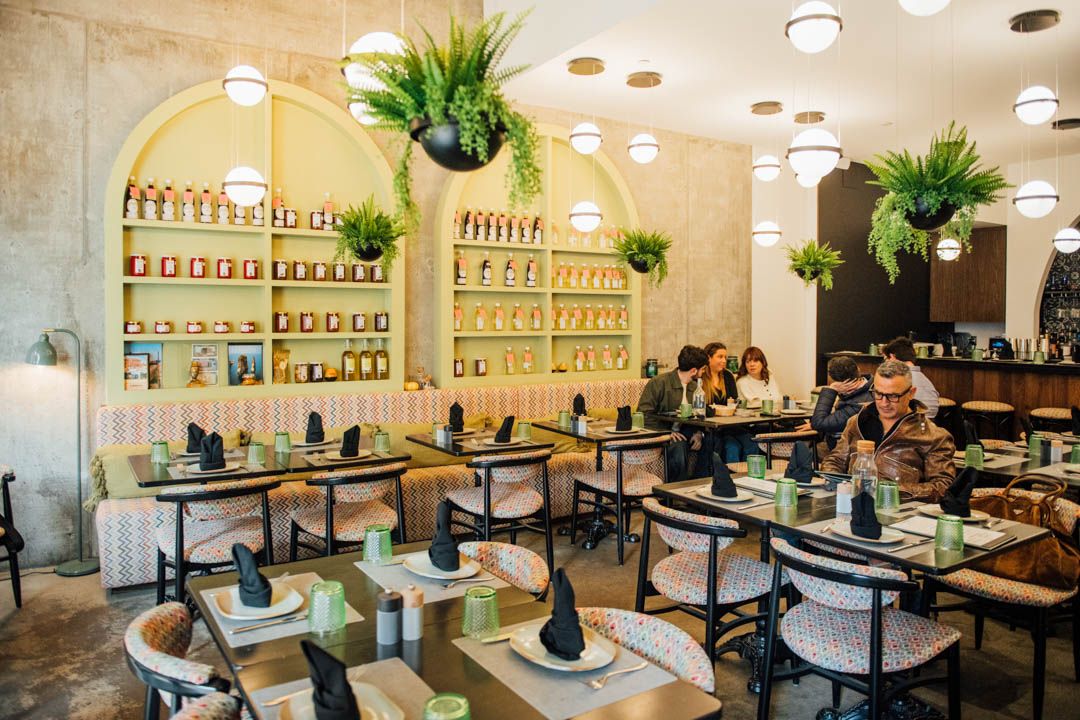
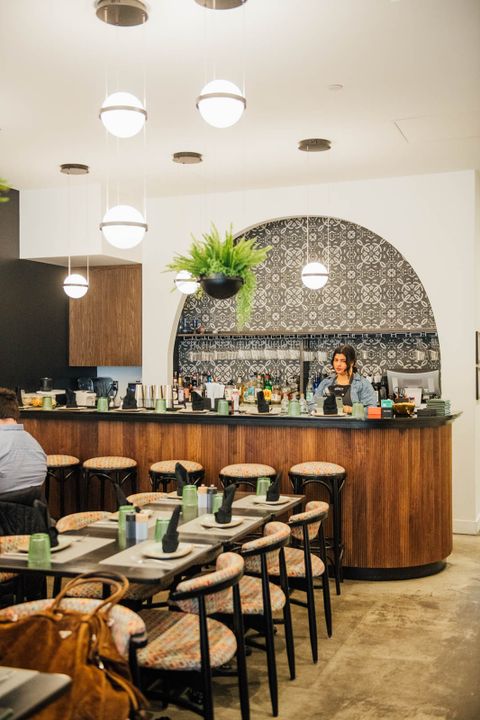
Opened in August 2025 on the edge of Griffintown and Old Montreal, Bayrut doesn’t just serve Lebanese cuisine, it offers an uncompromising, almost obsessive interpretation of authenticity. No fryer in the kitchen. Only olive oil. 80% of the ingredients are imported directly from the family village in Lebanon, and the olive oil comes from the 550 trees on the owners’ personal estate. Behind the project are brothers Michel and Mohannad, who bring to Montreal the legacy of their mother and grandmother, without taking any shortcuts.
Mom’s Recipe Book
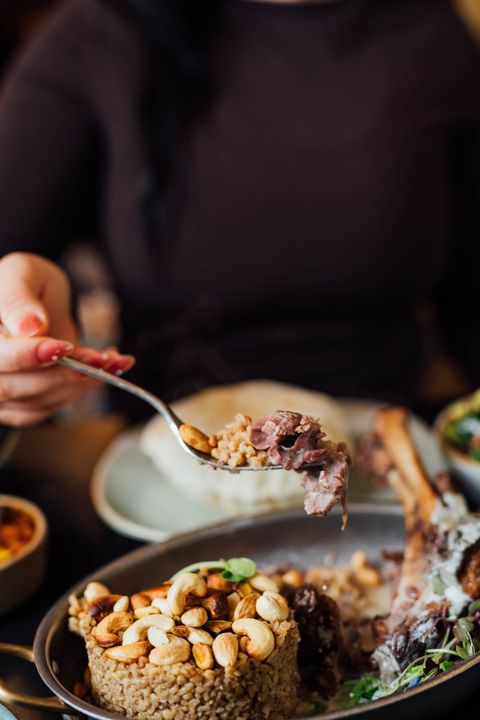
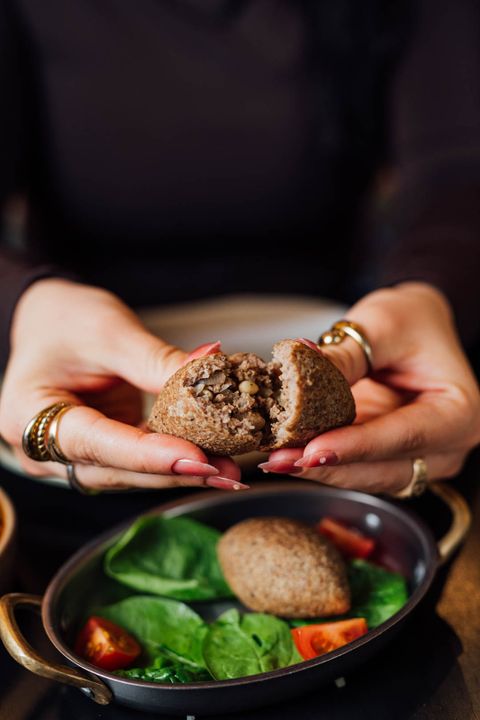
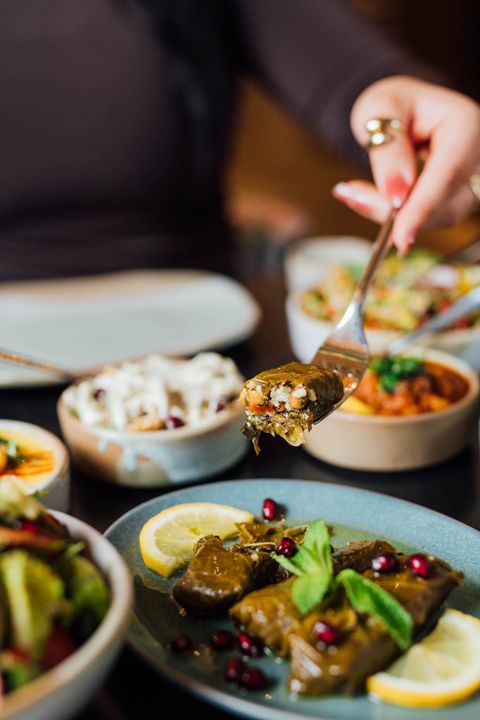
The entire Bayrut menu fits into a single book. “Everything on the menu comes from my mother’s recipe book. She’s the real chef behind every dish,” says Michel. The recipes were passed down to him by his mother, grandmother, and great-grandmother, from the family village in the Lebanese mountains. One main dish comes from southern Lebanon and carries 800 years of history. Shish barak, a dumpling of Ottoman origin stuffed with lamb, also appears on the menu. No contemporary reinterpretations, no modern shortcuts.
Quality Ingredients
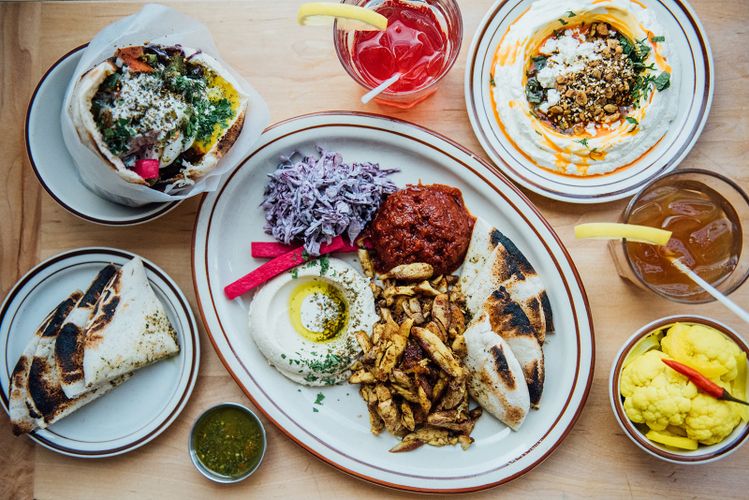
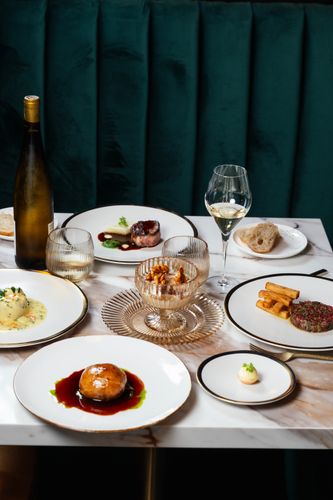
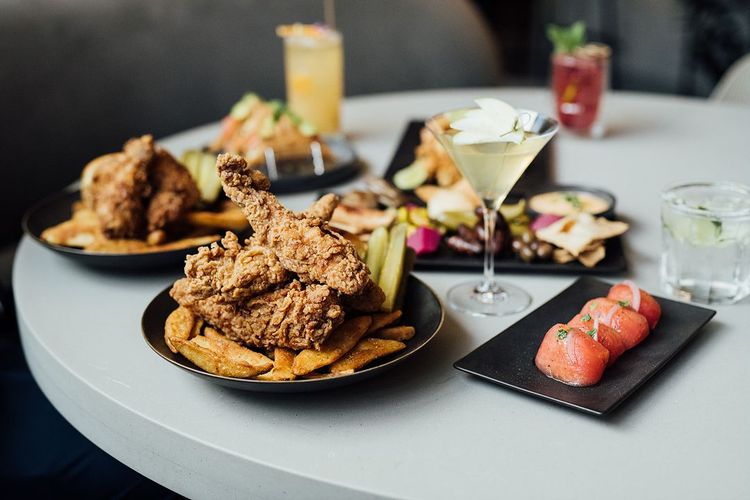
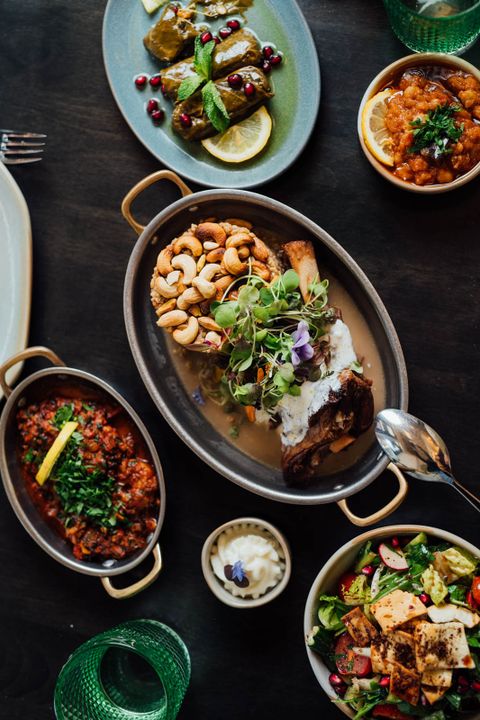
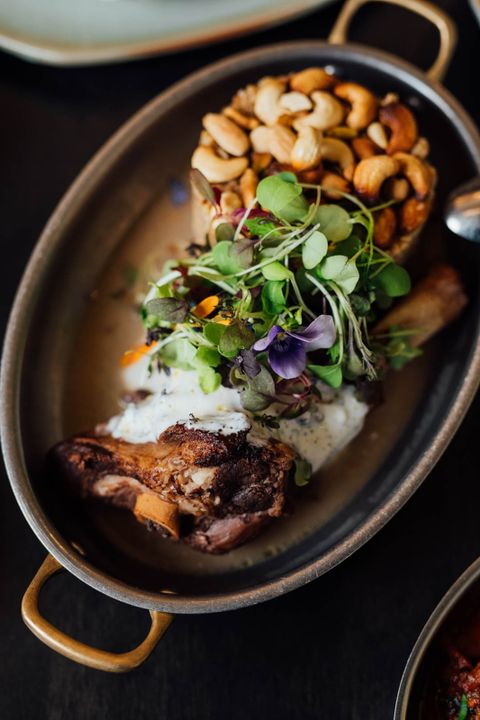
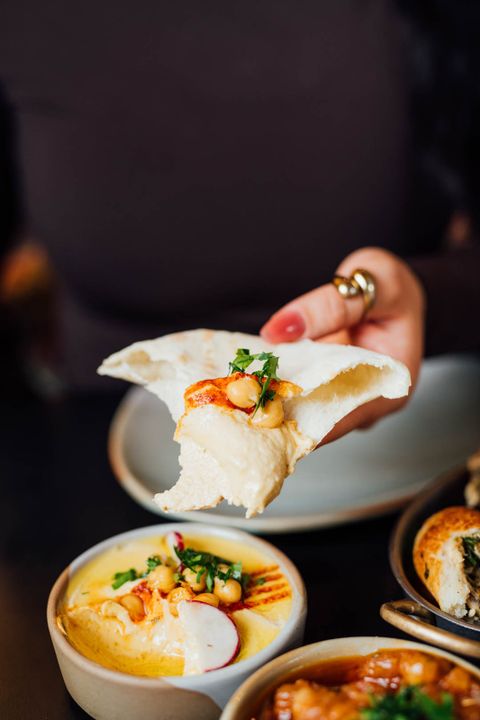
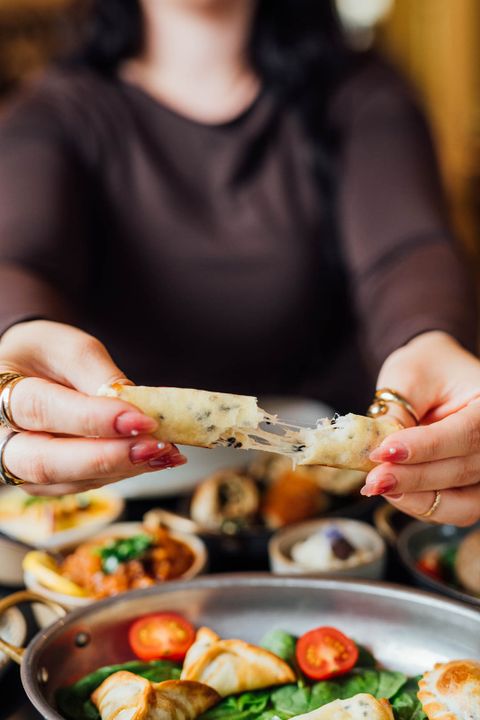
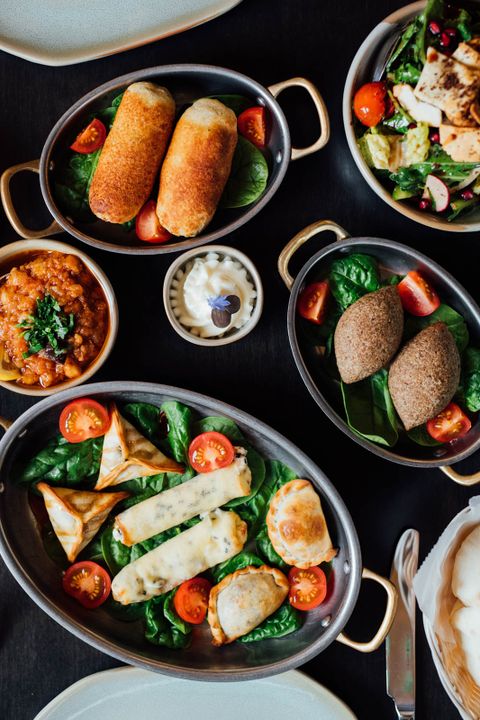
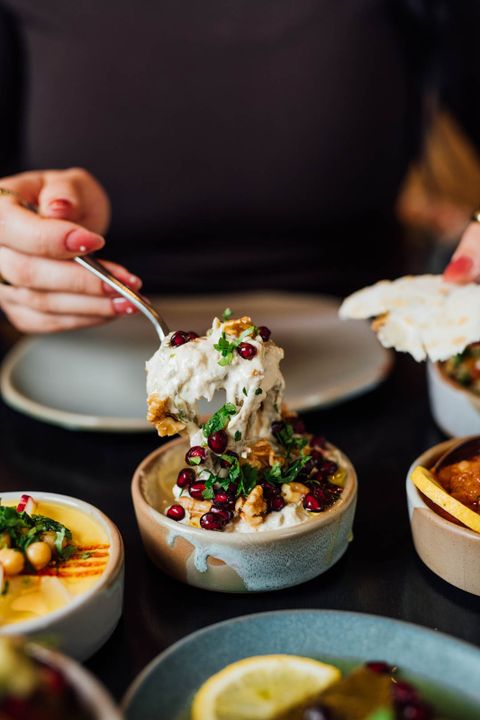
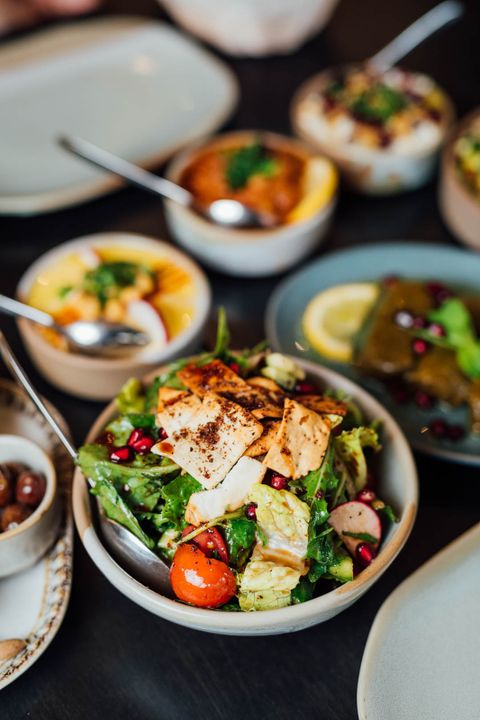
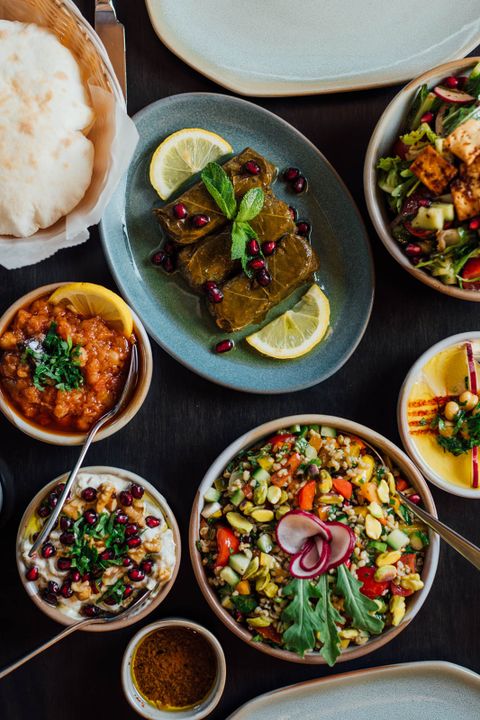
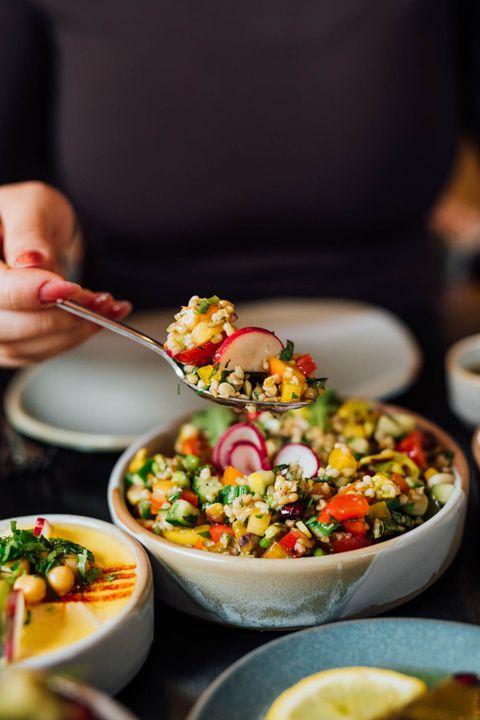
80% of the ingredients come directly from Lebanon, often from the family village. The olive oil comes from the brothers’ personal estate: 550 olive trees ranging from 15 to 200 years old, harvested before the first rain to produce an undiluted “extra extra virgin.” Michel is unequivocal. “We don’t have a fryer in the kitchen.” Nothing is fried at Bayrut. The spinach fatayers and cheese rolls come out of the oven, which lets you taste the filling rather than the oil. The house-made butter? Cooked for 22 hours, by hand, to mimic the ancestral wood fire. The tabbouleh replaces parsley with baby spinach, a mother’s trick to ease digestion, and the fattoush is dressed with Quebec tomatoes in season, lifted by a house-made pomegranate molasses. As for proteins, lamb and goat only, as in Lebanon. “We want to introduce Lebanese cuisine properly. No compromises.”
The beers and wines at Bayrut are 100% Lebanese, a choice that shines a spotlight on the Zahlé region, recently recognized as an international city of wine. On the cocktail side, no sugar, no simple syrup: the bar works with house-made pomegranate molasses, sumac syrup, wild blackberry, maple, and honey. Arak, Lebanon’s national spirit, finds its way into several creations (a first in Montreal, according to Michel).
Bayrut isn’t yet another Lebanese restaurant. It’s an almost methodical demonstration of what “authentic” really means: transparent supply chain, village-sourced ingredients, ancestral methods. For anyone looking to discover the Levant stripped of its modern shortcuts, this address is well worth the visit.
Written by Jean-Philippe Tastet
Photography by Alison Slattery