Mhel : Where a Piece of Grilled Fish Tells a Whole Story
Mhel
- Booking
-
276 Havelock St Toronto M6H 3B9
-
Monday: Closed
Tuesday: Closed
Wednesday: Closed
Thursday: Closed
Friday: Closed
Saturday: Closed
Sunday: Closed
-


- Restaurant

On a quiet street in Bloorcourt, there’s a small restaurant with a name most people can’t pronounce. Mhel — pronounced like “mel” — means anchovy in the dialect of Jeju Island, off the southern coast of South Korea. It’s a word that carries weight for co-owner Seung-Min Yi, whose mother is from the island. Back home, families sit together in the living room, picking the heads and guts out of dried anchovies to make soup stock. They’re tiny, so there are a lot of them. You sit, you pick, you watch TV, you talk. It’s slow, familiar, and deeply personal — a little like the restaurant itself.
A Restaurant Built by Two
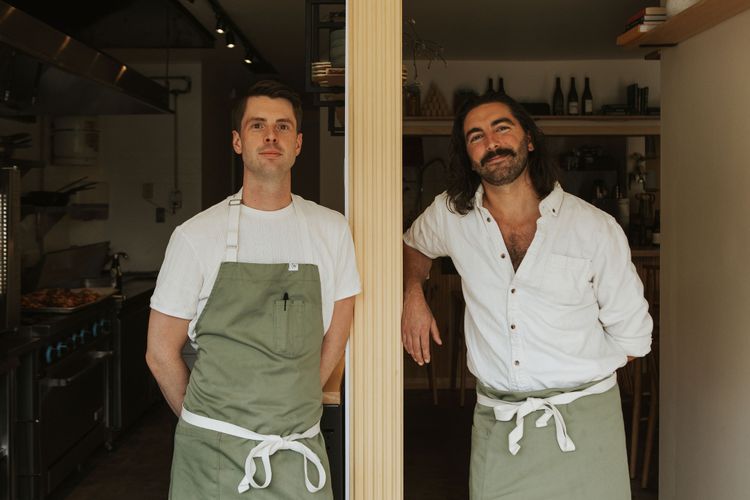
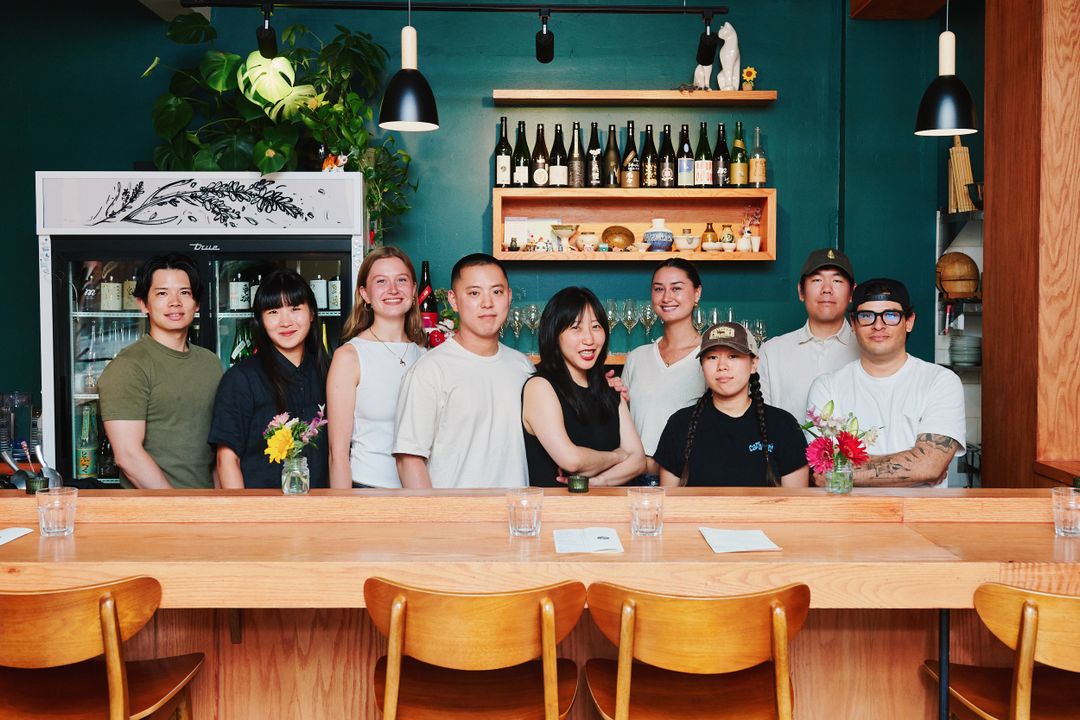
Mhel is the creation of husband-and-wife team Young Hoon Ji and Seung-Min Yi, who opened the doors in the summer of 2023. Neither had ever run a restaurant before. Ji had cooked at some of Toronto’s most respected kitchens — Pompette, Grey Gardens — and Yi had worked at Early Bird Coffee. Before launching Mhel, the couple spent six months in South Korea, immersing themselves in the country’s restaurant culture. Ji worked at Ichie, a seafood-focused spot; Yi at Joo Ok inside the Plaza Hotel. When they came back to Toronto, they knew what they wanted: a place that served what they like to eat and drink at home — Korean and Japanese food, and a lot of sake.
They took over the space in the second week of May and opened by the second week of July. There were no designers, no architects. They called a contractor, took down what they didn’t want, and painted the rest themselves with friends. The shelving was built by Ji’s brother. They filled it with glasses and objects found at antique shops or brought back from Japan. When you need to generate income, you move fast — and the result, somehow, feels more honest for it.
The Space
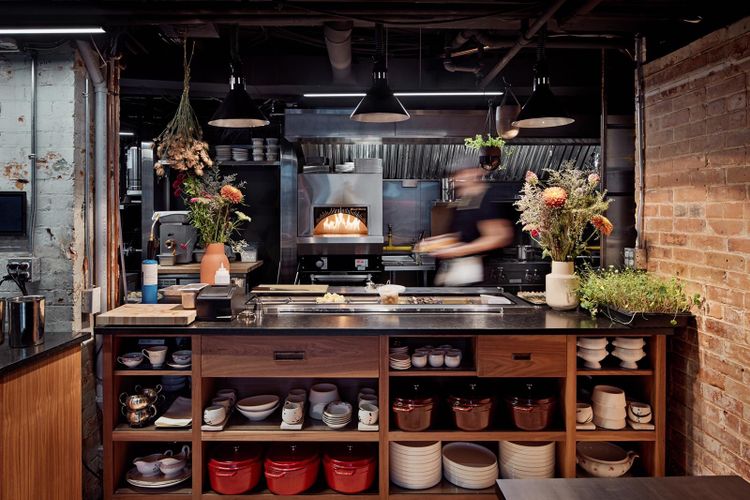
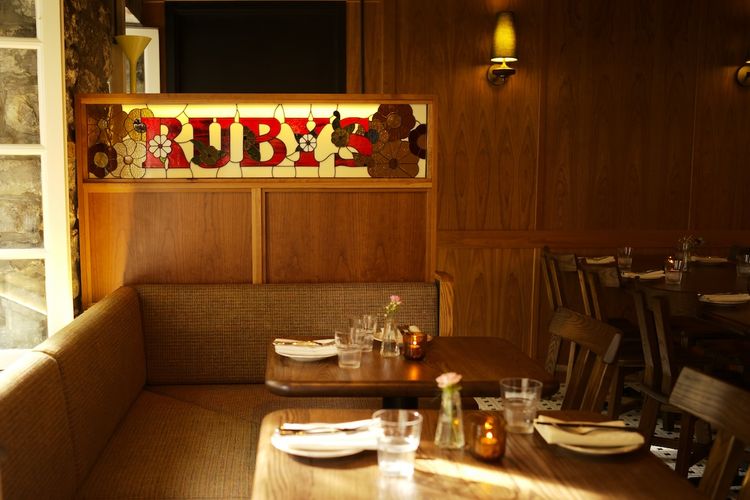
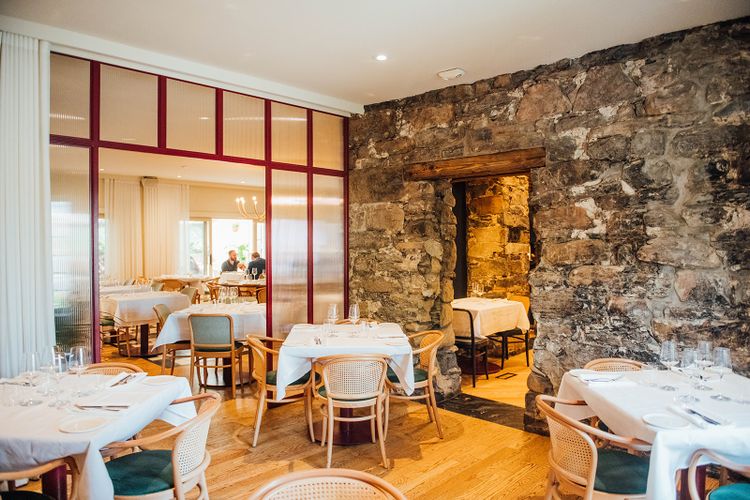
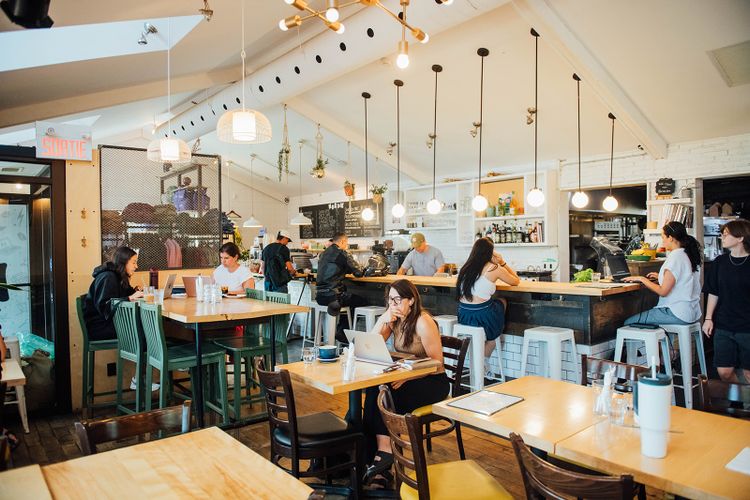
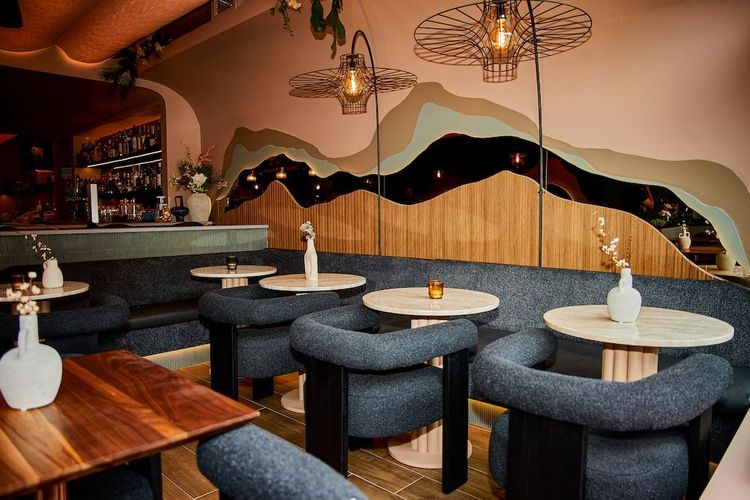
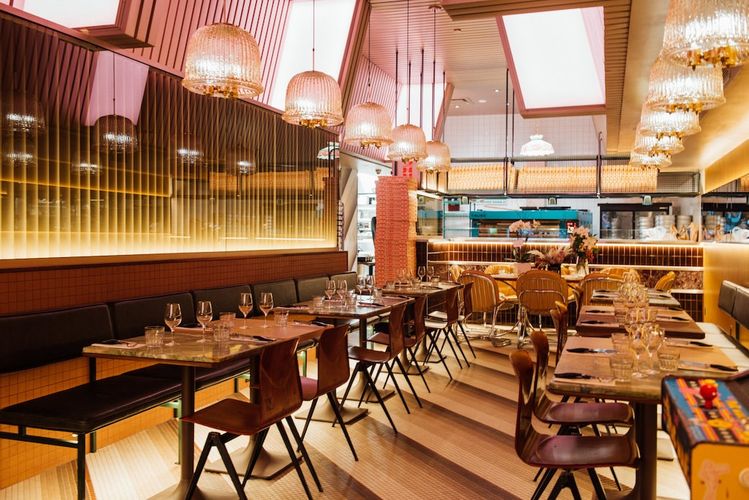
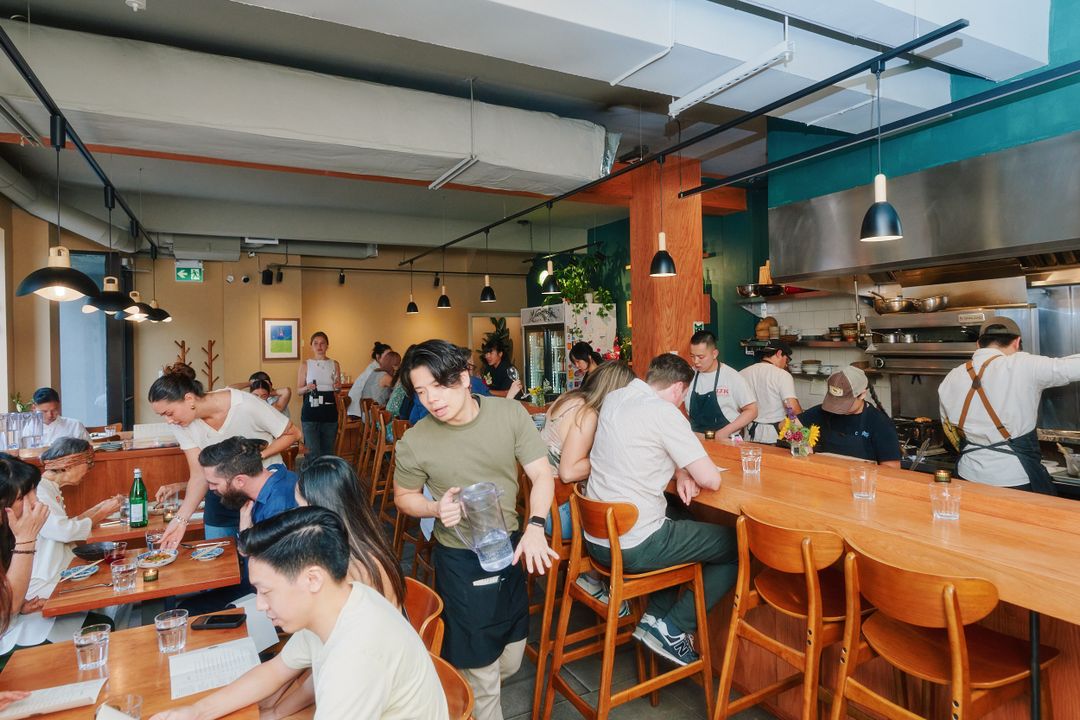
Mhel seats 32 in a room of about 60 square metres. Twelve of those seats are bar stools lining an open kitchen, which is where you want to be if you like watching a cook work with focus and economy. The decor is clean and warm — lots of wood, white walls, and an unmistakable attention to small, cheeky details: little cat figures scattered around, stickers here and there, and ceramics brought from Korea and Japan that make every plate feel considered.
It’s the kind of room that doesn’t try to impress you. It doesn’t need to.
The Food
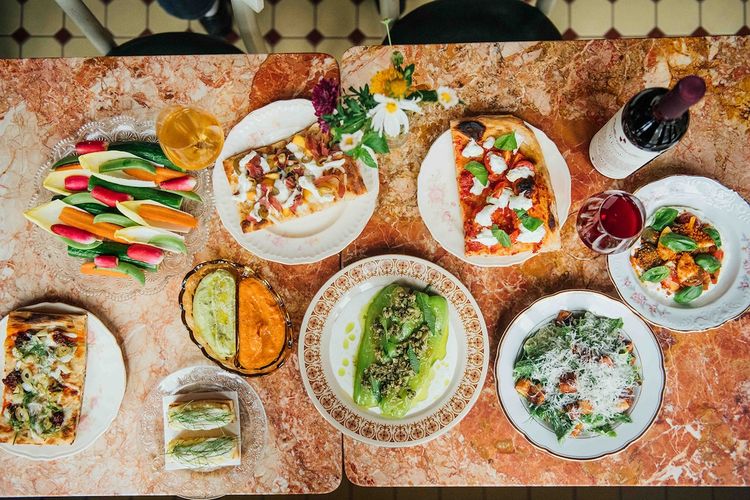
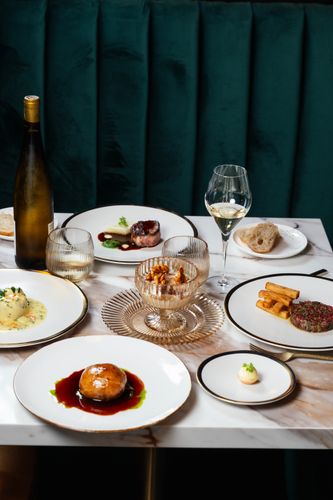
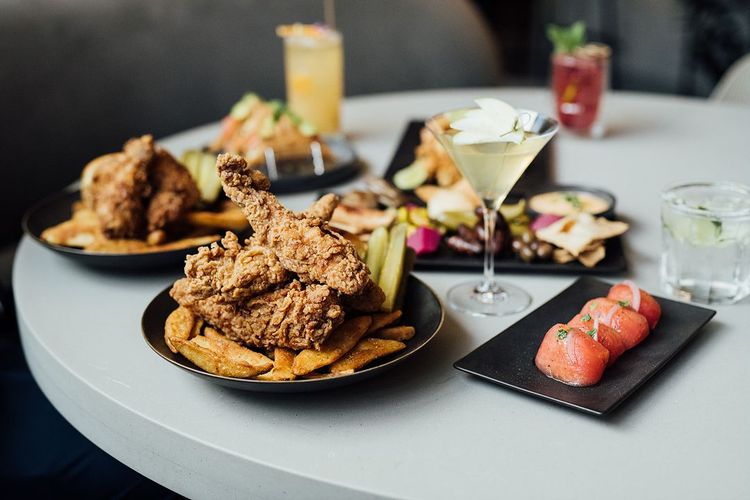
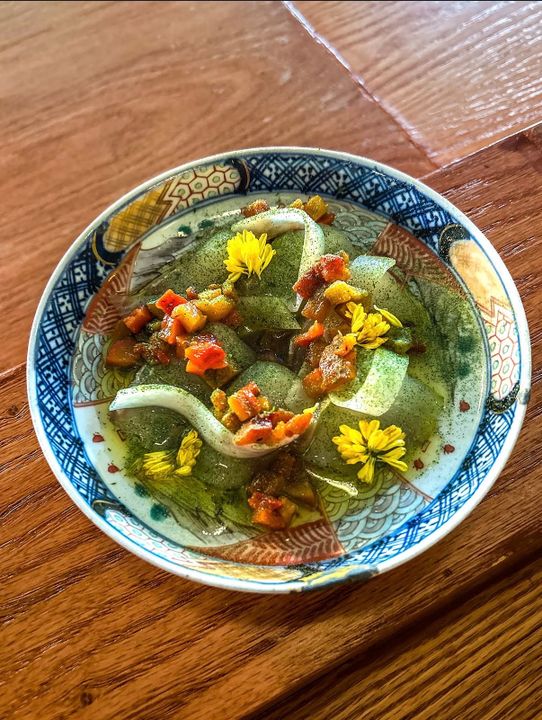
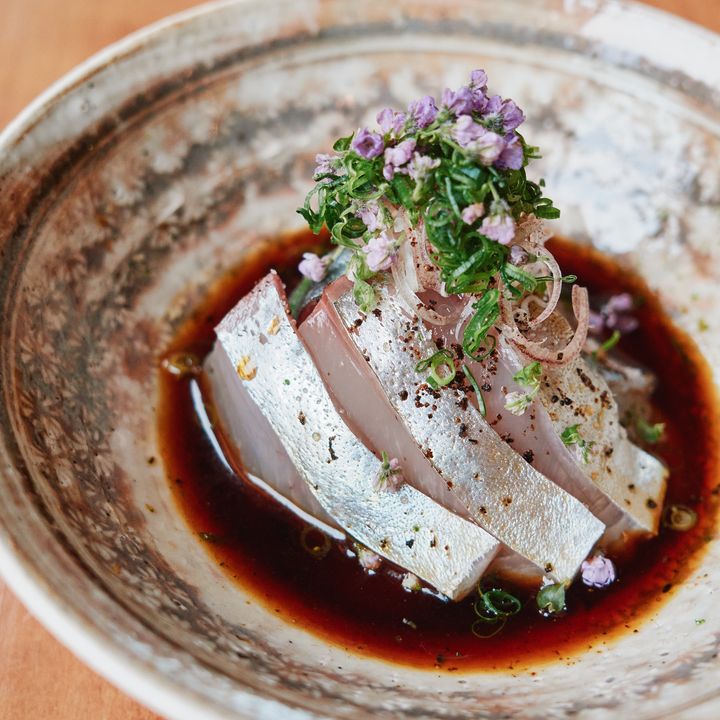
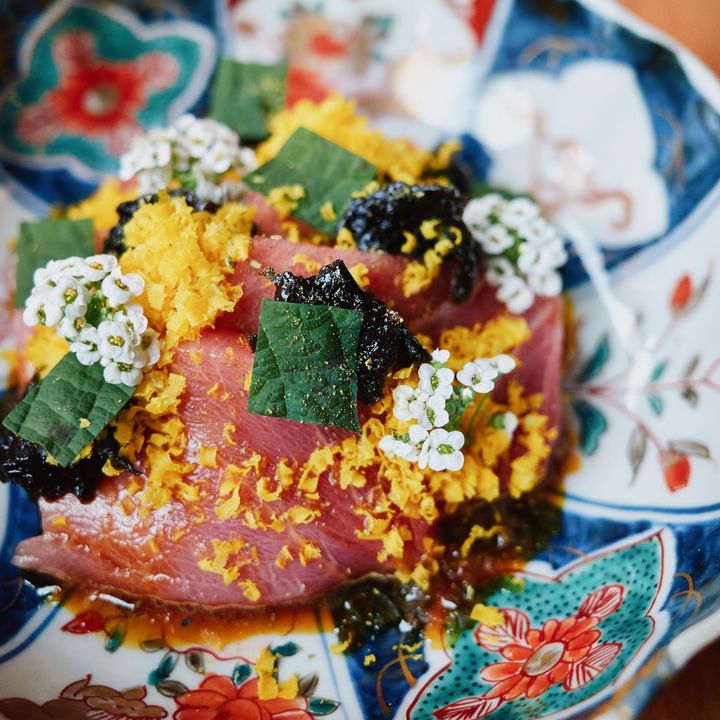
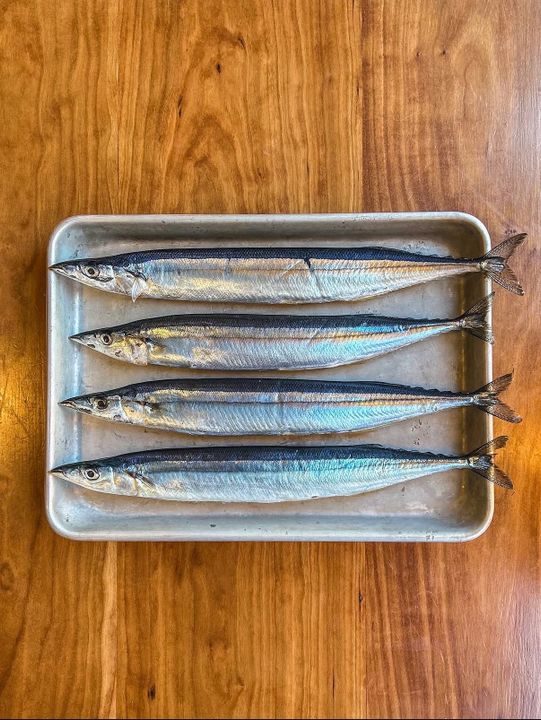
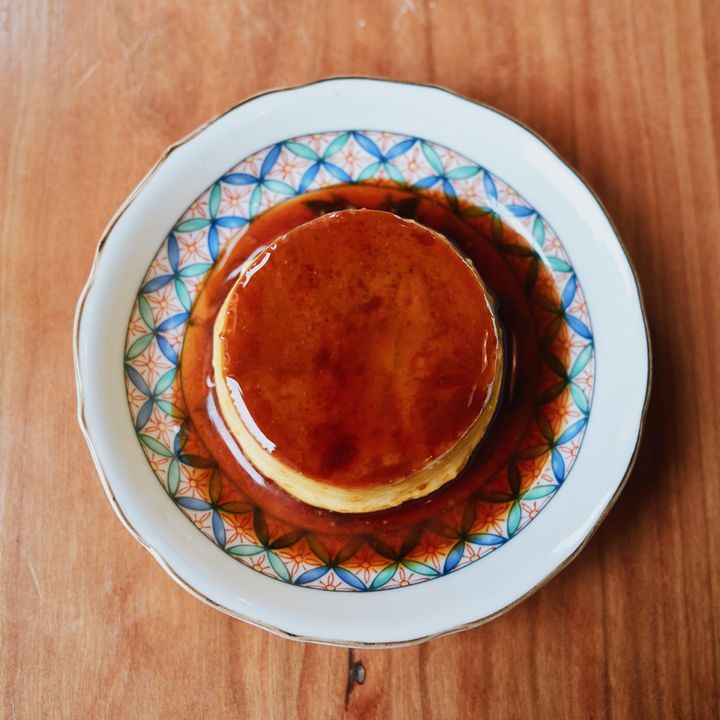
The menu at Mhel is written daily. It changes depending on what’s available, but the bones stay the same: there’s always a grilled fish, always a raw fish dish, always rice — which Ji considers the most important part of the menu — and always one dessert, a Japanese-style pudding that’s essentially a French crème caramel. Beyond that, expect around a dozen small plates rooted in Korean and Japanese techniques, with quiet nods to French, Italian, Spanish, and Chinese cooking.
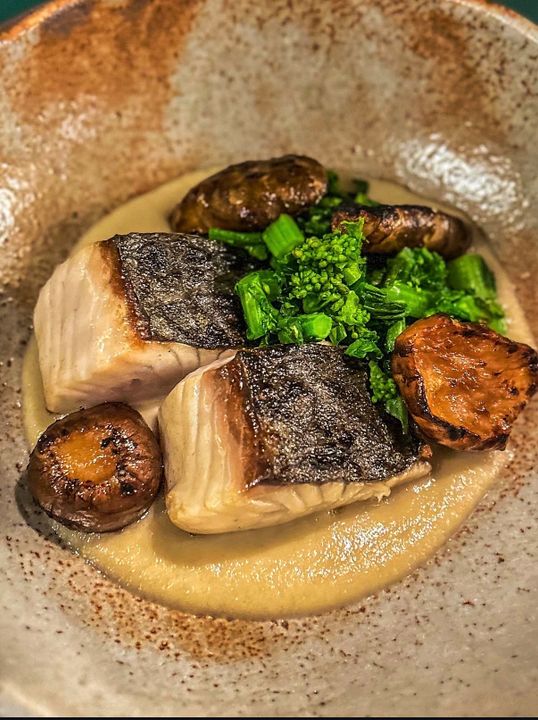
Ji describes his style as simple food made with deep care. A grilled fish arrives on the plate with a little veg on the side — straightforward, almost humble. But behind it, that fish may have been aged for three days, then cured in miso for five or six more, carefully washed with sake to keep the miso from burning on the grill, skewered, and cooked over real binchotan charcoal with Korean sea salt and a mirin made from actual sake rather than sugars. For the people who know, it resonates. For those who don’t, it’s just a delicious piece of fish. Either way, you win.
The restaurant sources from local Ontario producers — Kuramoto Farms, Linton Pasture Pork, Oroshi Fish — while importing speciality ingredients from Japan and South Korea, including koshihikari rice and wild sesame.
The Sake
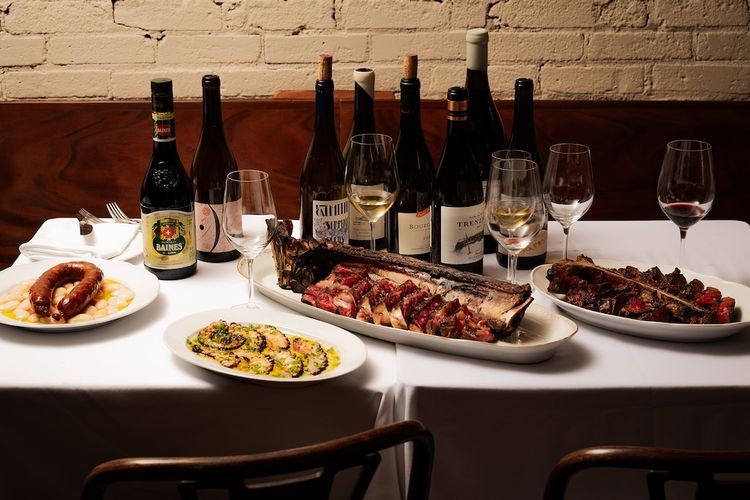
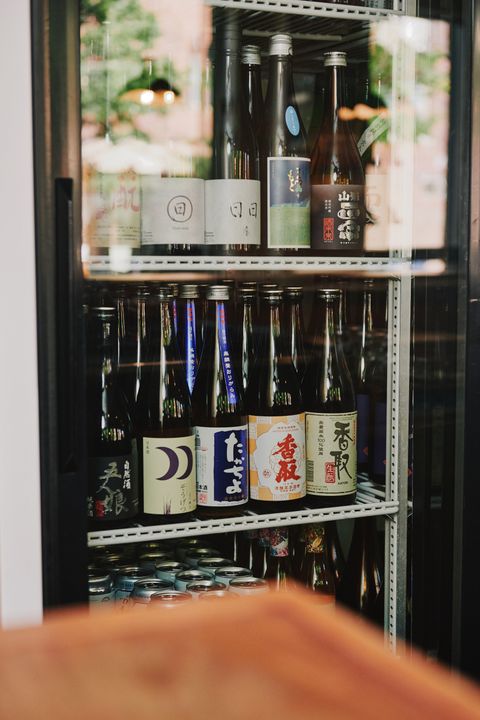
If the food is personal, the sake program is a passion project. Mhel’s beverage list is almost entirely sake, complemented by a few beers, the occasional Japanese amaro, and non-alcoholic options. The selection is wide — in style, in price point, and in ambition. You’ll find traditional bottles, clean modern styles, and wild natural-fermentation sakes popularized by Nordic restaurants. But the guiding principle is straightforward: does the team like it? Does it taste good with the food? Does it have an interesting story?
And the stories matter. Ji lights up when he talks about the changes happening in the sake world: women moving to the forefront of brewing, new rice varietals being developed in response to climate change, farmers relocating to higher ground where the rice can actually grow well. When Mhel hosts beverage events, they centre on these stories — not tasting notes.
The staff are well trained to guide you through the list, though there’s no formal pairing. Think of it as a conversation, not a script.
The Vibe
Ji struggles a bit to define the atmosphere of his own restaurant — which is probably a good sign. He lands on “casual but professional.” The service is warm, knowledgeable, and attentive, but no one is standing behind your chair with their hands clasped. There are no formulas, no five-step greeting rituals. You come in, sit down, grab a couple of glasses of sake and a snack or a full meal — whatever you’re in the mood for. It’s an adult space, not in the exclusionary sense, but in the way that a good bar in Tokyo is an adult space: calm, focused, welcoming.
In Montreal, they’d call it “fun dining.” At Mhel, it’s just dinner.
Why We Love It
Mhel opened with zero industry connections, no restaurant experience, and a two-month renovation budget. Less than two years later, it earned a Michelin Bib Gourmand, landed at number 44 on North America’s 50 Best Restaurants, and debuted on Canada’s 100 Best list. But what makes Mhel worth visiting has nothing to do with accolades. It’s the care in the cooking, the warmth of the room, and the feeling that you’re eating exactly what two people love to cook and share — nothing more, nothing less.
As Ji puts it: they started with absolutely nothing, and the fact that they’ve come this far on the strength of themselves and their team is what he’s most proud of. Not for the lists. For the proof that sincerity, skill, and a very good piece of fish can take you a long way.
Written by Fabie Lubin
Photography by Mhel