Café Ôkini: A Kyoto-Inspired Japanese Café by Jun I
Ôkini Café
- $$
-
156 Avenue Laurier Ouest Montréal H2T 2N7
+1 438-380-0878 -
Monday: Closed
Tuesday: 9:00 AM – 4:00 PM
Wednesday: 9:00 AM – 4:00 PM
Thursday: 9:00 AM – 4:00 PM
Friday: 9:00 AM – 4:00 PM
Saturday: 9:00 AM – 4:00 PM
Sunday: Closed
-


- Coffee shop

Some restaurants we love so much that we dream of dropping by at any hour of the day. With Ôkini, regulars at Jun I can now do just that: the Japanese institution has opened a café in the space next door, where you come for a matcha latte or a dashi omelette sando instead of a platter of sushi. The cuisine stays true to the traditions of Kyoto, hometown of chef and co-founder Junichi Ikematsu, in a simpler, more relaxed version than the evening dining room.
Drinks Chosen with Care
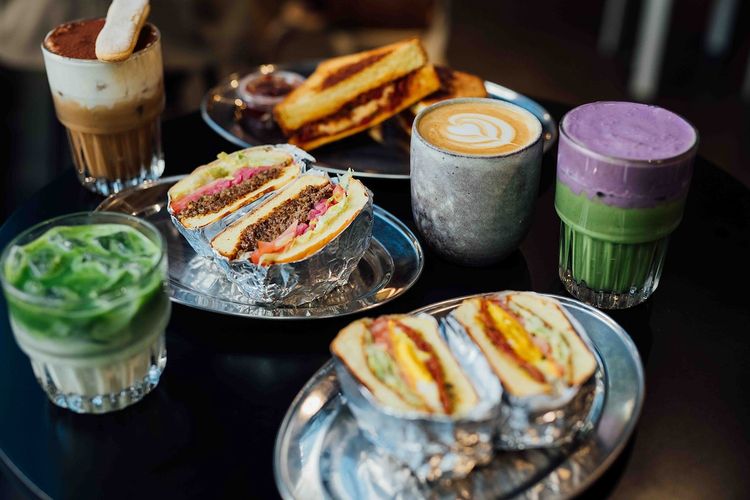
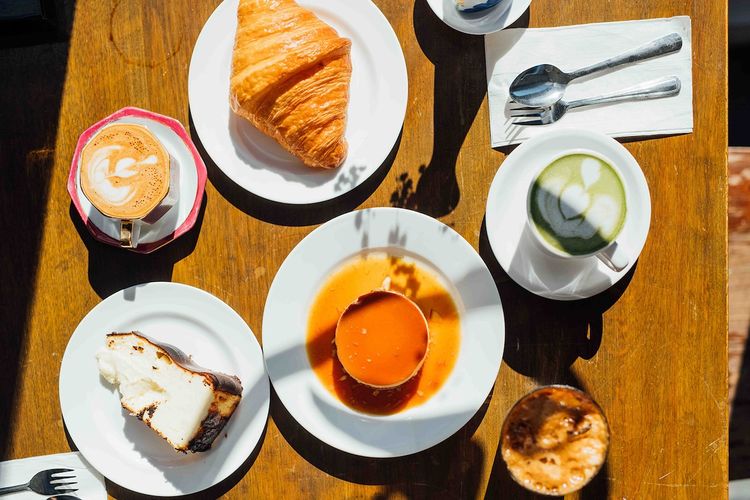
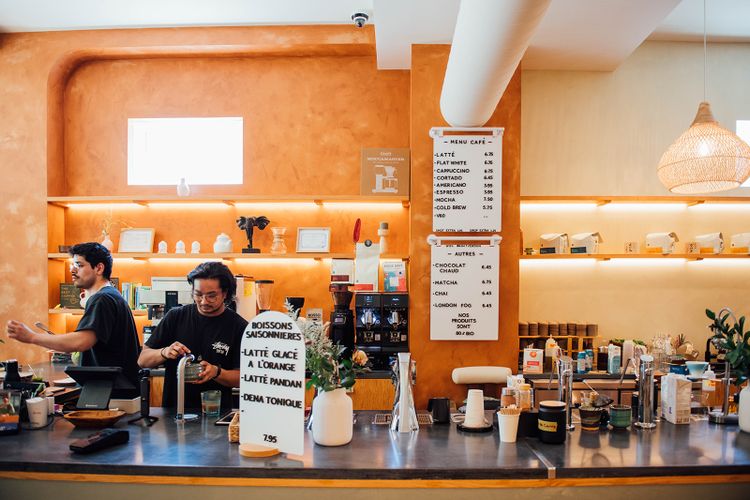
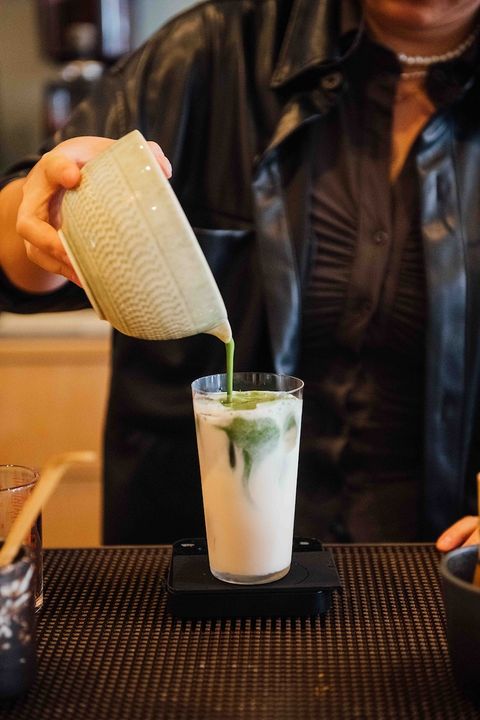
The matcha comes from Maison Minori and is of superb quality. The signature latte is made with oat milk and genmai syrup, a brown rice syrup, and ranks among the best matchas in town. Beautifully balanced and the vivid green we love, it is served hot or iced, as is the hojicha latte made with Camellia Sinensis tea.
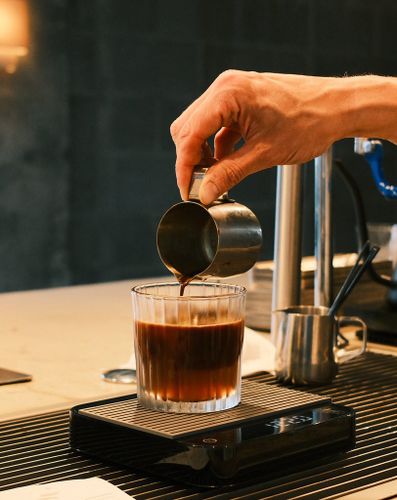
The coffee is roasted by Café Larue, which developed two custom blends for espresso and pour-over. For espresso, the team chose a Brazil and Colombia blend with notes of chocolate, hazelnut and toffee. The pour-over, however, is a ritual of its own, with a particular brewing process and a light, fruity taste that comes close to tea. Here, the beans are Costa Rican, with notes of strawberry and red apple.
Menchi Katsu Instead of Tonkatsu
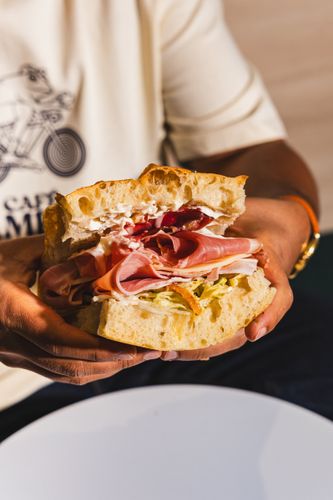
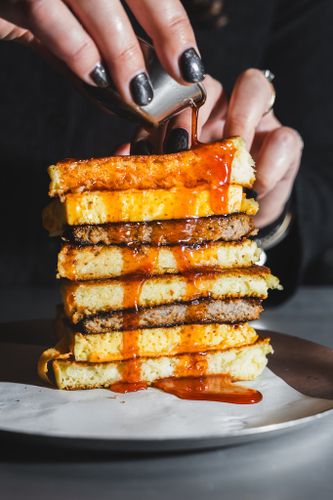
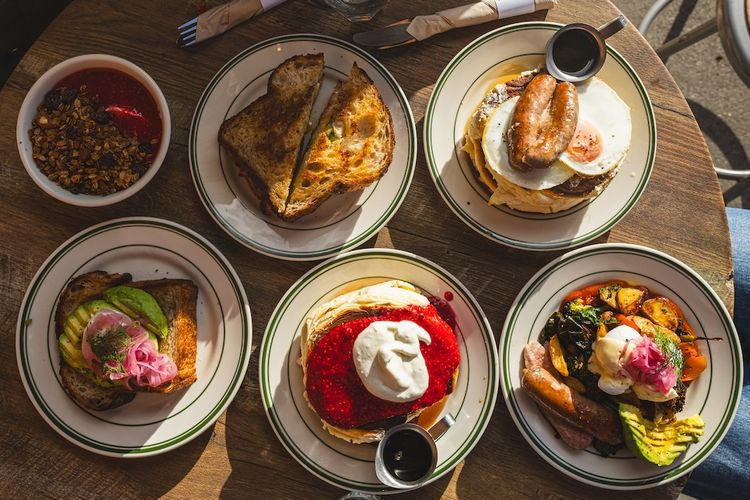
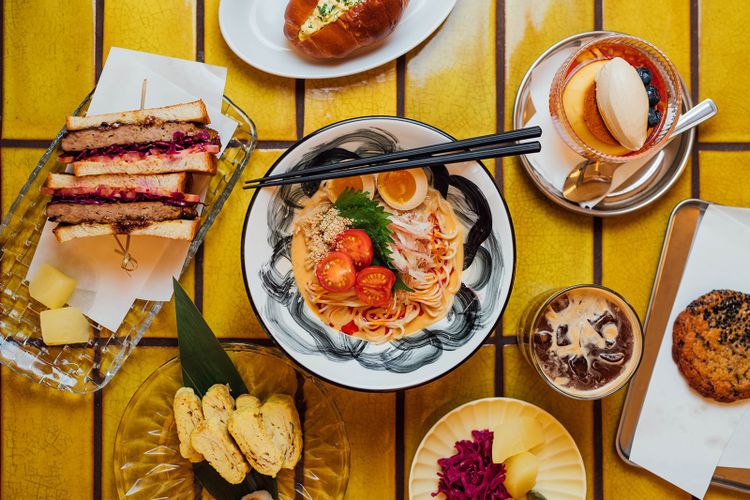
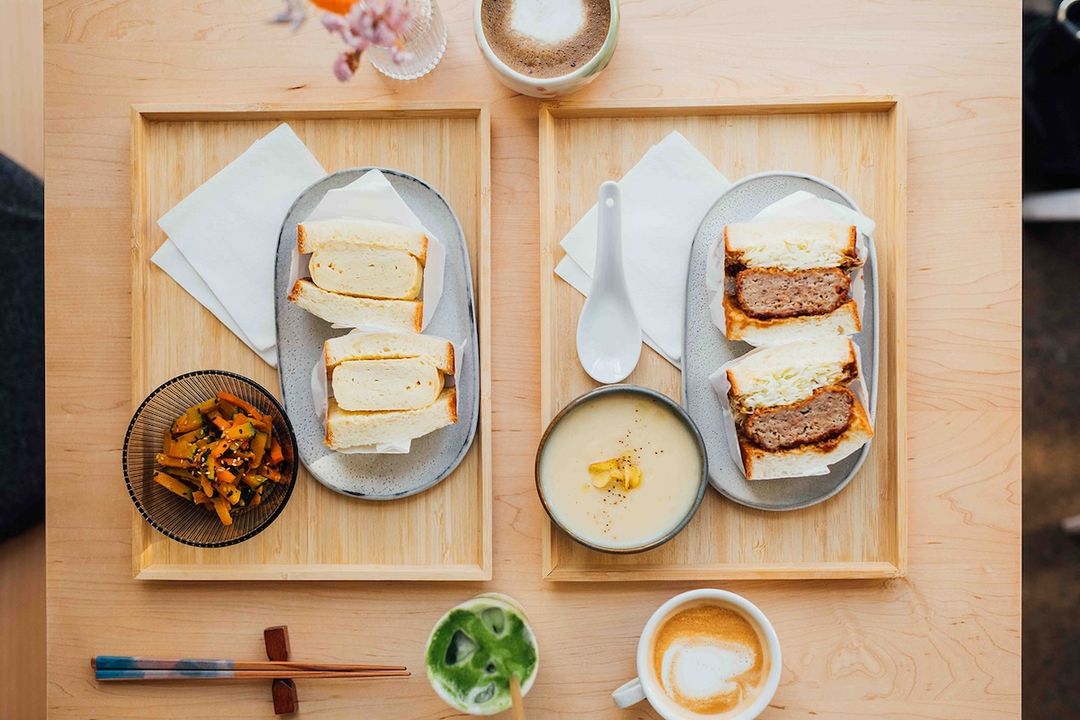
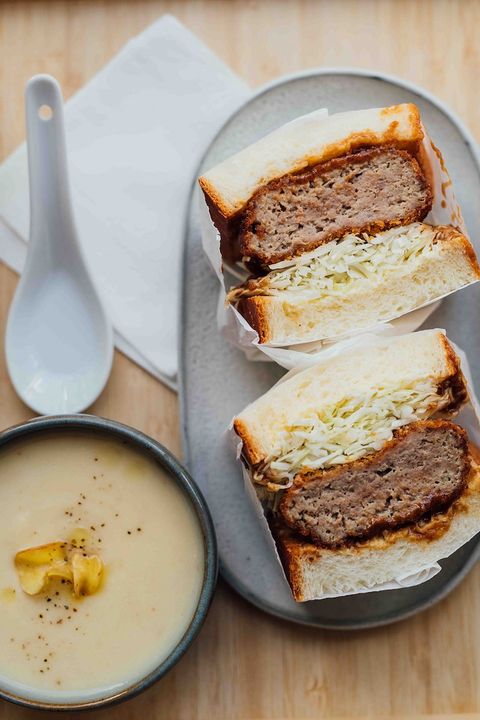
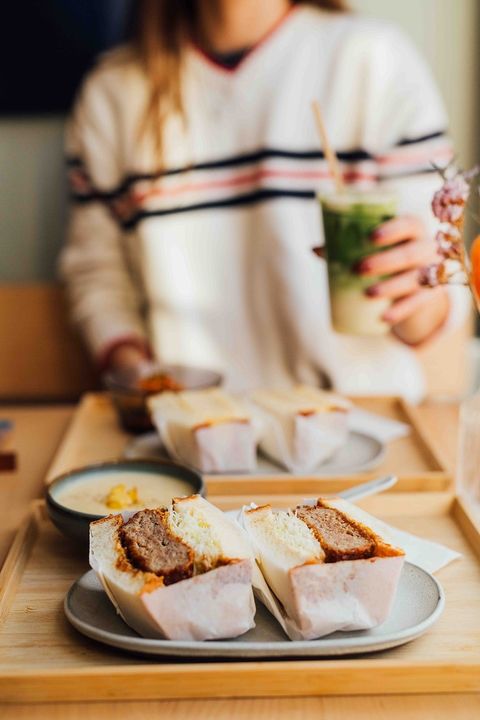
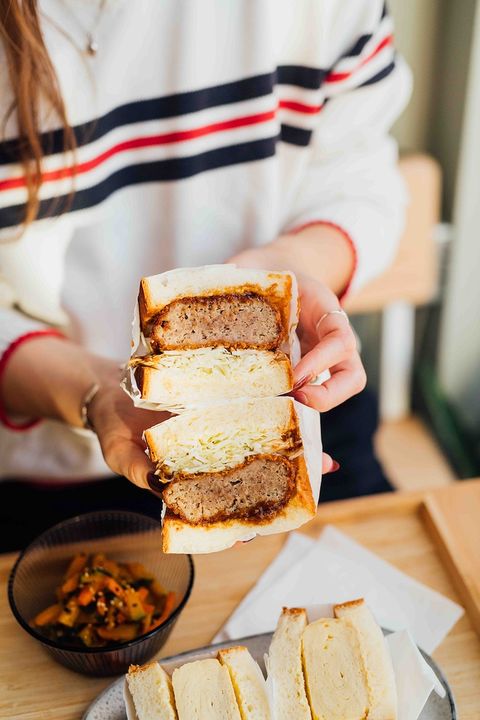
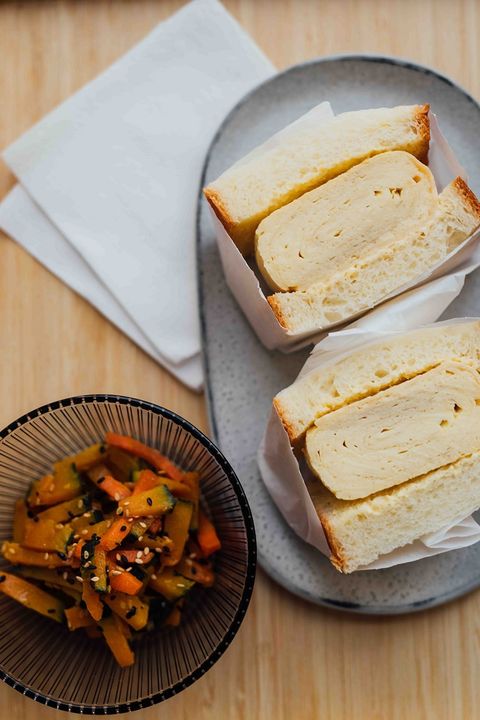
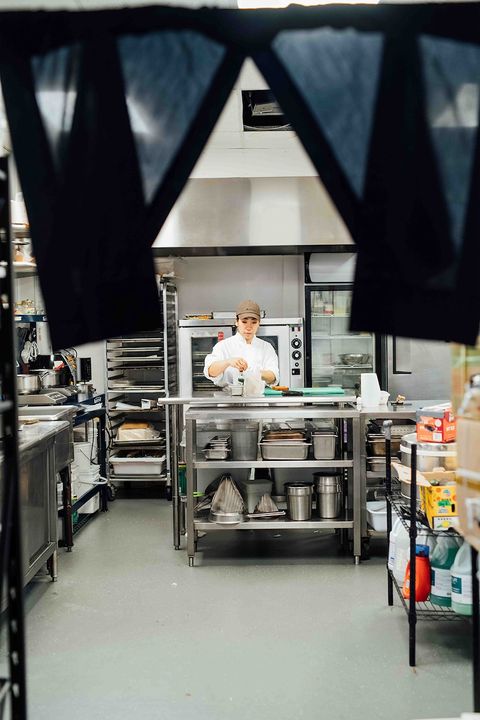
Two sandos form the heart of the food menu, served on soft milk bread from Automne bakery. The menchi katsu sando brings together panko-breaded minced beef and cabbage. Rather than the widespread pork tonkatsu, Asa Adachi, who runs the kitchen, wanted to offer this everyday Japanese classic. The tamago dashi sando instead features a dashi omelette, a preparation hugely popular in Kyoto that moves away from the classic chopped egg salad found just about everywhere. For a little extra, add the soup or salad of the day, which change with the seasons. On our autumn visit, for example, we tasted a parsnip soup and a salad of kabocha, the Japanese squash variety.
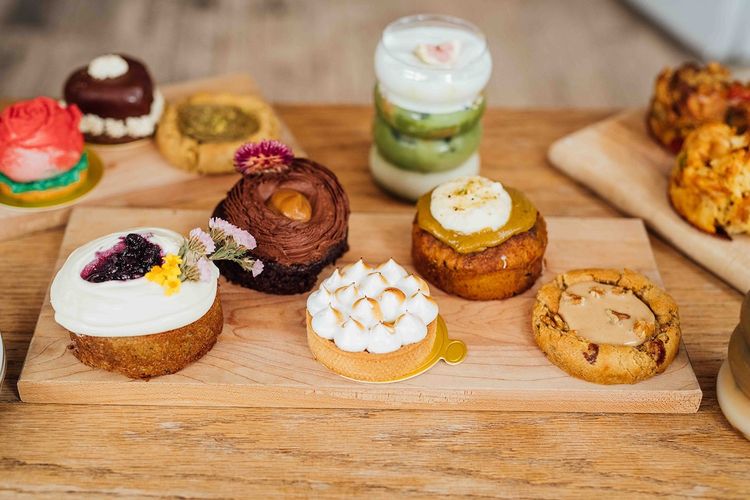
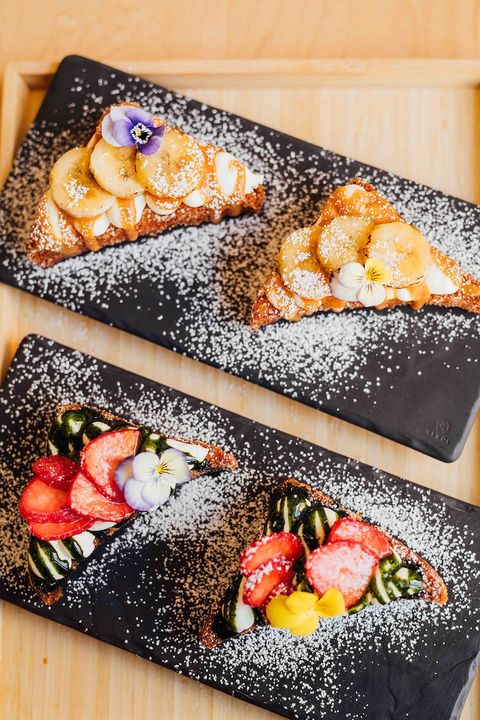
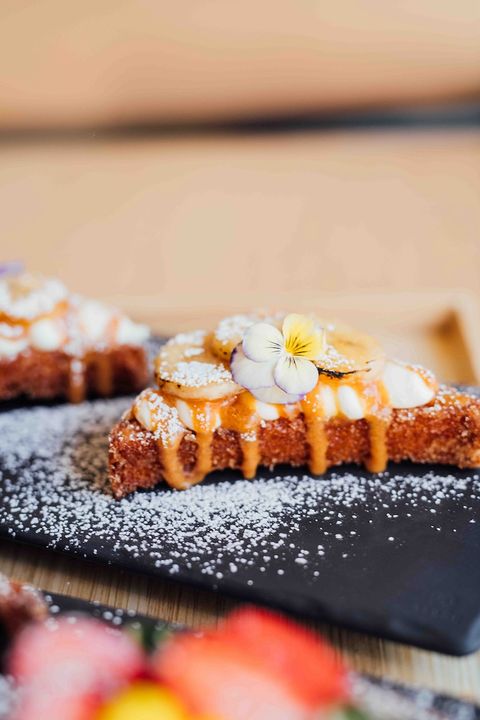
For dessert, or simply alongside a drink, go for the age pan, a fried bread filled with crème fraîche and mascarpone, served with strawberries and matcha or with bananas and bitter caramel.
A Second Life for Ôkini
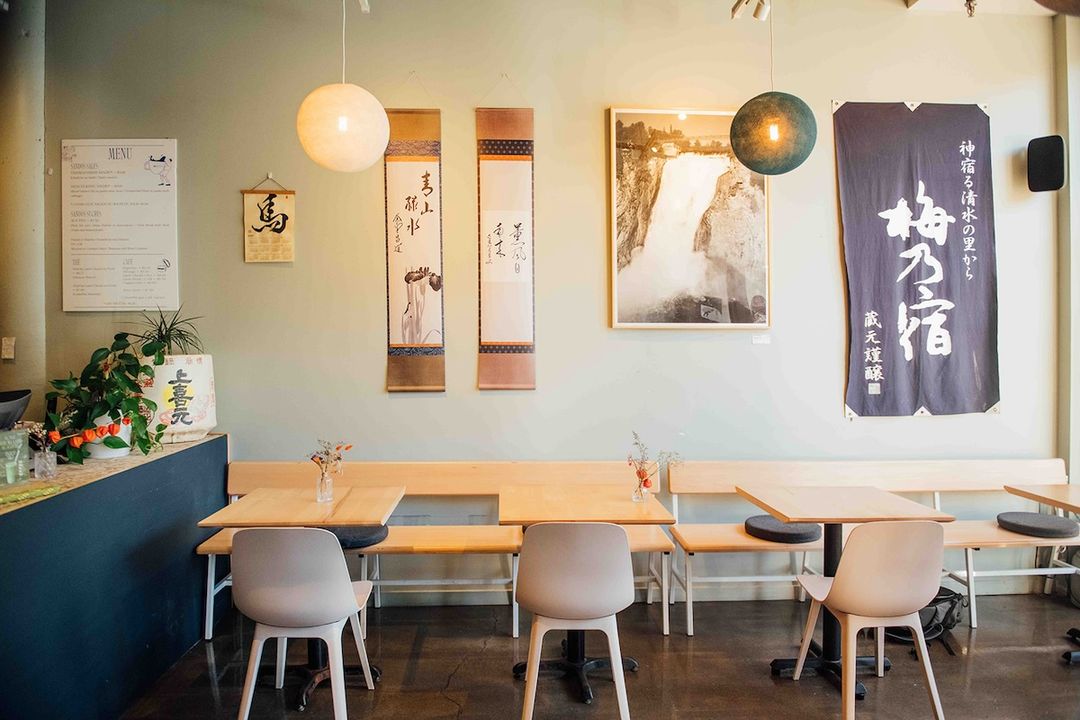
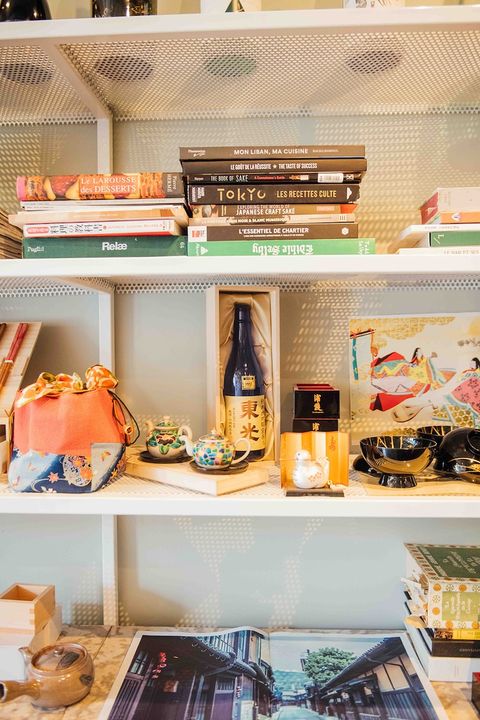
The space has a story. Before becoming a café, it housed only Ôkini, the takeout service that helped Jun I make it through the pandemic. Once the dining room reopened, the carefully decorated space sat quiet all day. “The space was there, like a little extension of Jun I, but nothing was happening during the day,” explains Natsuka Ikematsu, who handles day-to-day service at the café. The owners then imagined a café where people could also eat traditional Japanese dishes, reviving the Ôkini name.
To run it, they turned to two pillars of the house. Asa Adachi, originally from Chiba, Japan, started in the kitchen at Jun I about ten years ago, when she had planned to stay in Montréal for just one year. Natsuka Ikematsu had long worked in the dining room at Jun I and is now behind the counter at Café Ôkini.
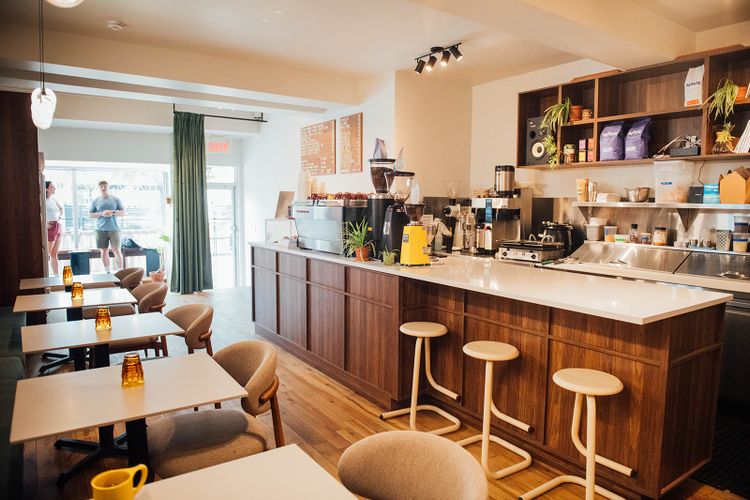
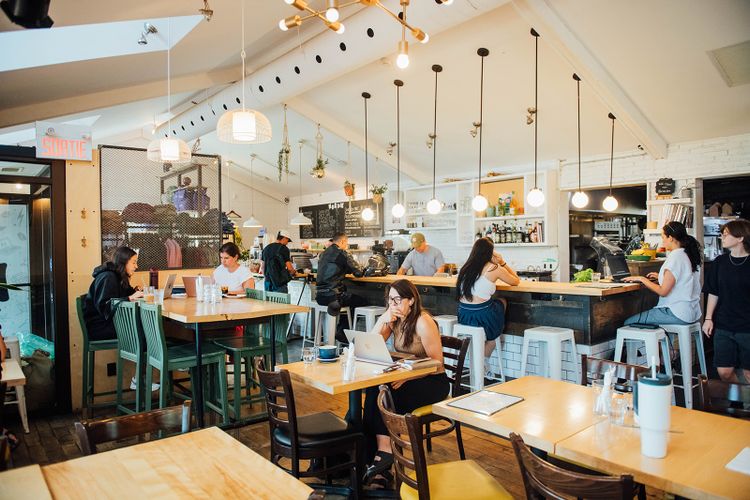
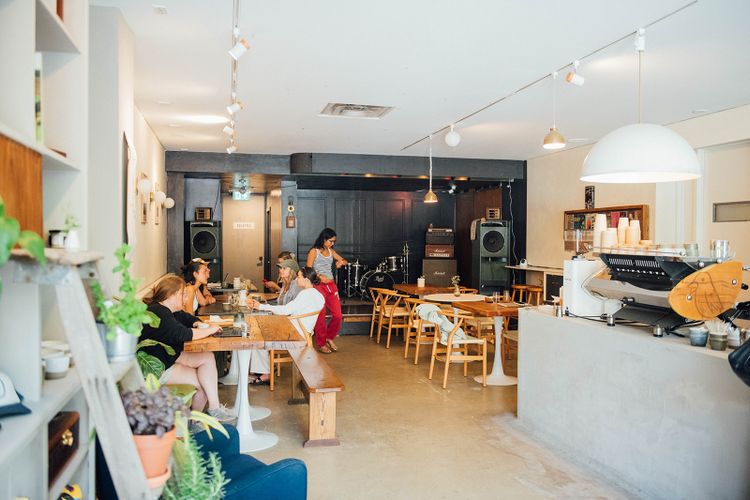
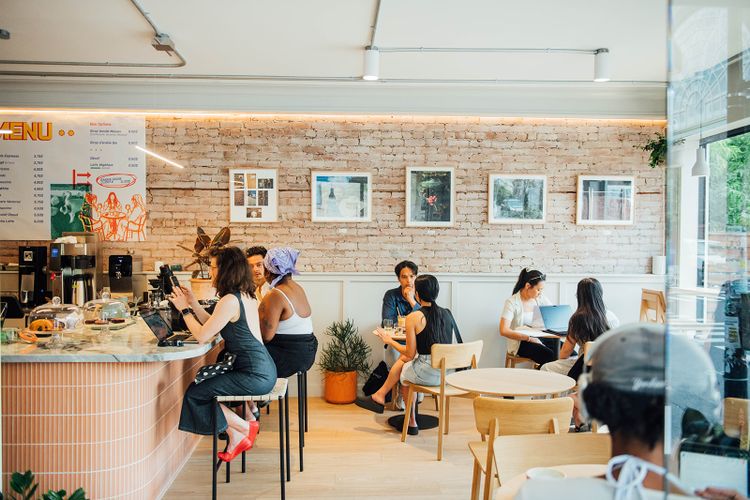
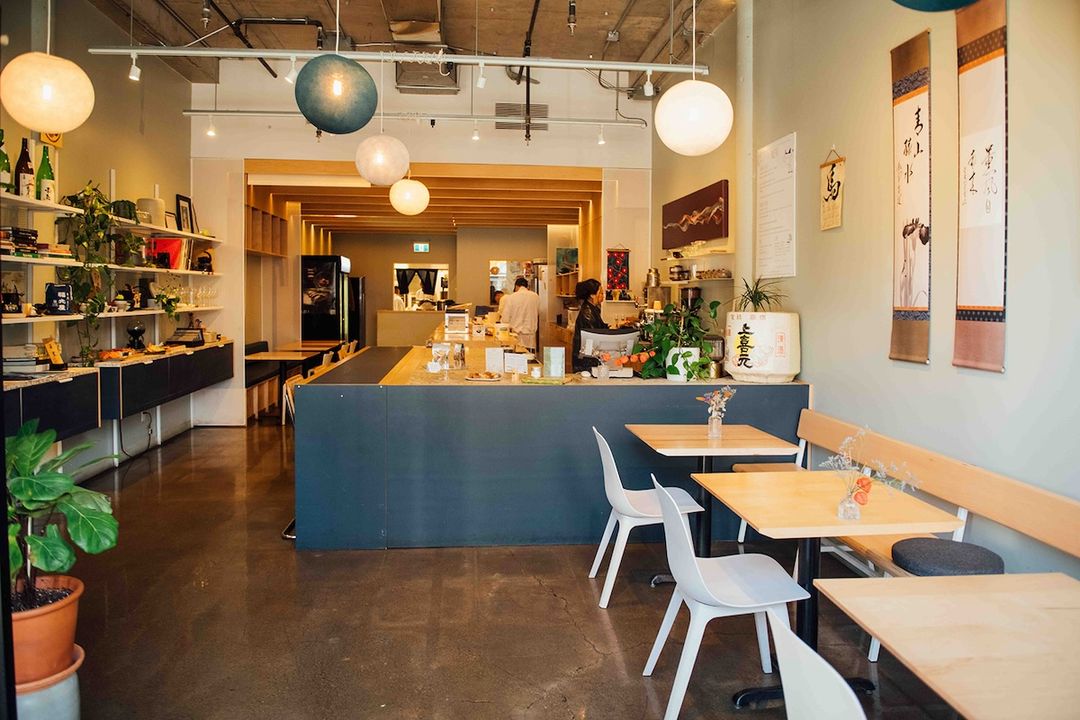
The café has eight seats up front and a few stools at the counter. It closes mid-afternoon, just before Jun I, its immediate neighbour, begins evening service. We’re delighted to see that one of our favourite sushi restaurants finally has its own café, a lovely addition to Avenue Laurier Ouest.
Written by Jean-Philippe Tastet
Photography by Alison Slattery