Fat Pasha: Where Jewish Culinary Traditions Meet
Fat Pasha
- $$
- Booking
-
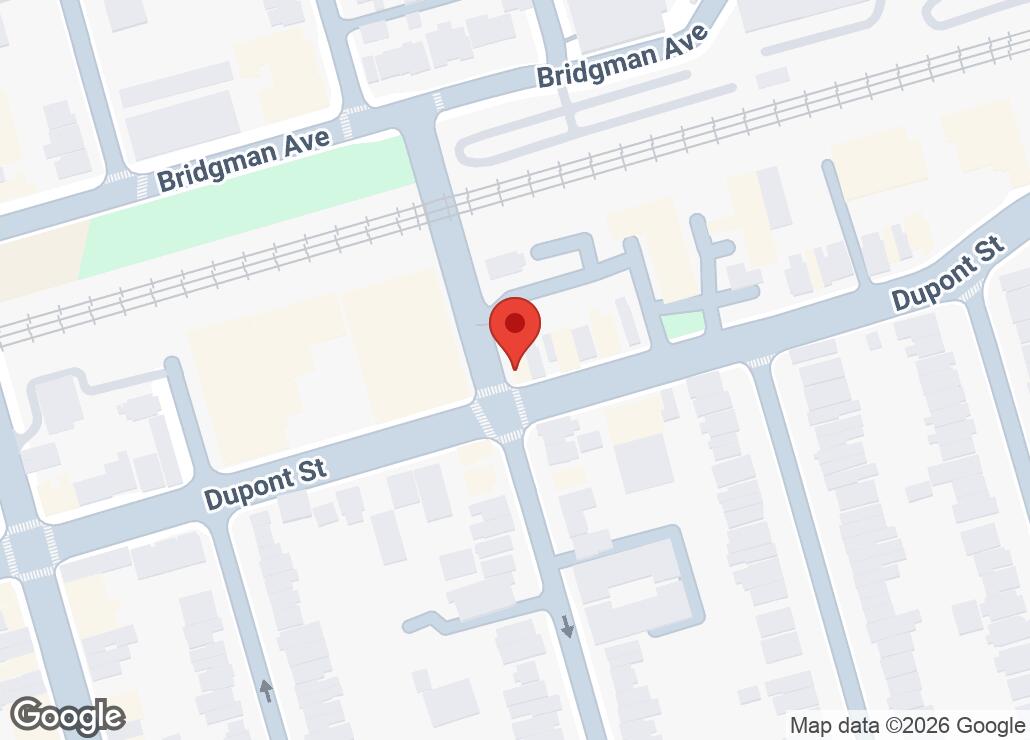
414 Dupont Street Toronto M5R 1V9
+1 647-646-1698 -
Monday: 5:00 PM – 10:00 PM
Tuesday: 5:00 PM – 10:00 PM
Wednesday: 5:00 PM – 10:00 PM
Thursday: 5:00 PM – 10:00 PM
Friday: 5:00 PM – 11:00 PM
Saturday: 11:00 AM – 2:45 PM, 5:00 PM – 10:00 PM
Sunday: Closed
-


- Restaurant
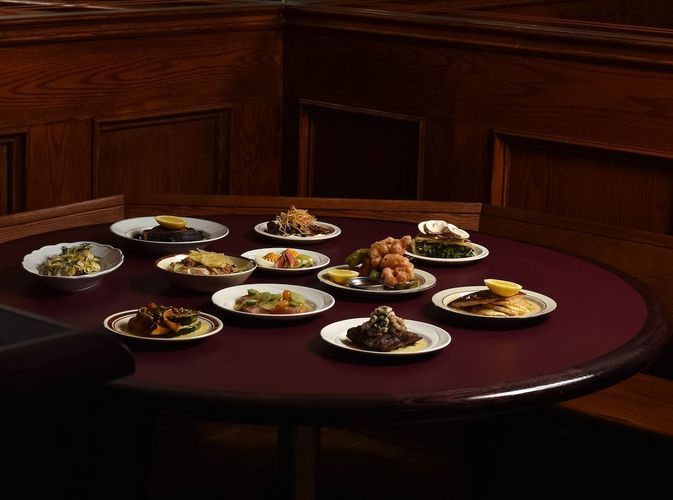
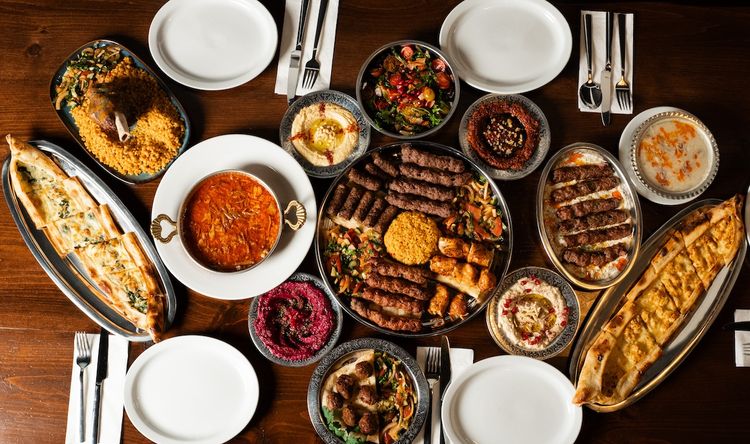
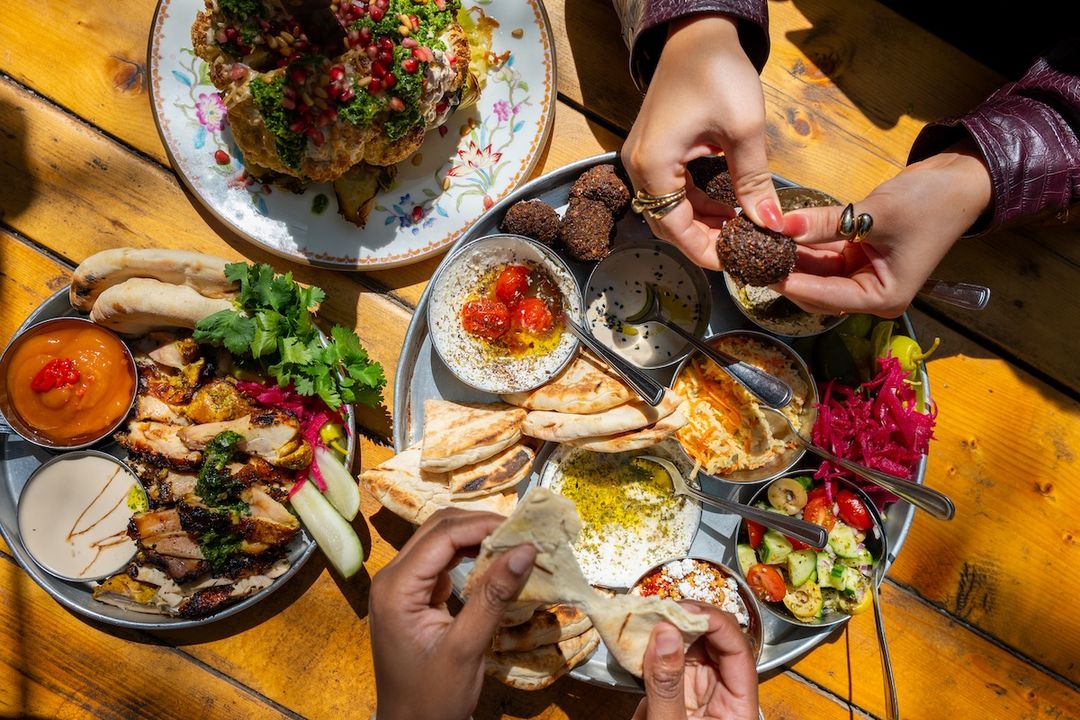
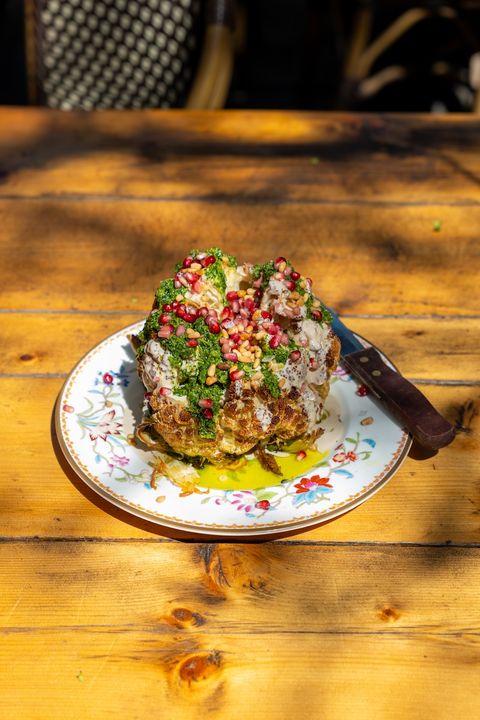
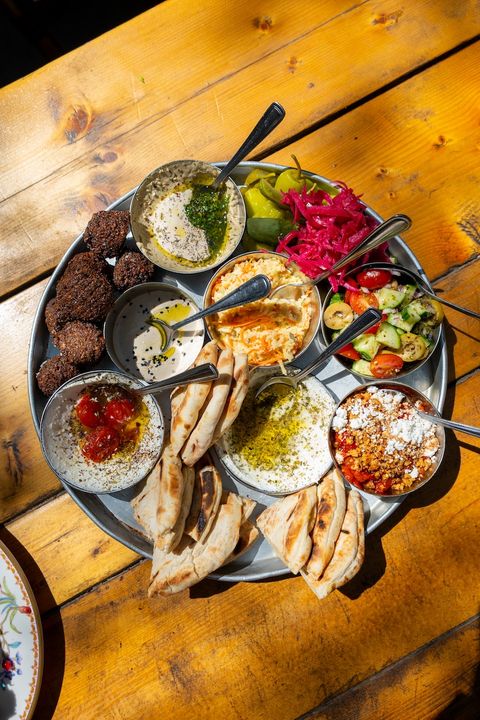
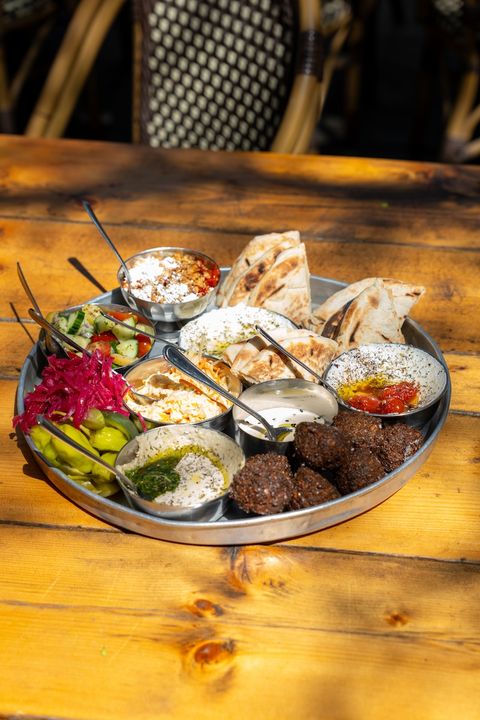
A pasha is the head of the household, and at Fat Pasha, the household eats together. Plates are easy to share, from the salatim platter and its spread of dips to the famous whole roasted head of cauliflower under its blanket of halloumi and pomegranate. The cuisine is Middle Eastern with Ashkenazi accents, two Jewish food traditions sharing one table. On Toronto’s Dupont Street, this Jewish restaurant has kept its tables full for years, as much a neighbourhood local as a destination.
Born From a Cookbook
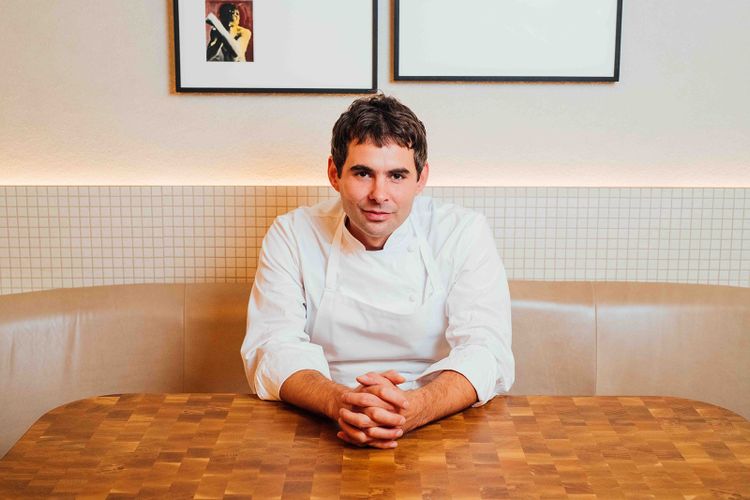
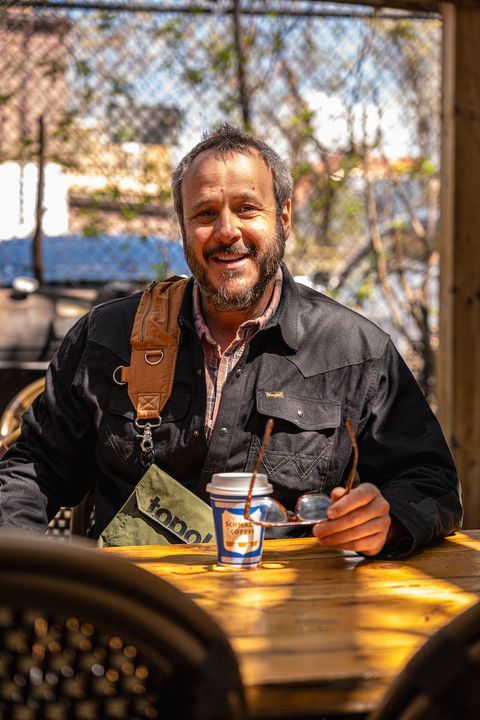
Fat Pasha took shape the same year Yotam Ottolenghi published Jerusalem, and the cookbook was its first spark. As opening day got closer, chef Anthony Rose realized the book leaned Sephardic and Israeli, while his own roots are Ashkenazi. “The stuff that I know is the pastrami and the brisket and the matzo ball soup and the challah and the latke,” he says. The menu became a blend of both, and it struck a chord. Rose, a fourth-generation Canadian, sums it up as Jewish food from everywhere the diaspora landed.
Born and raised in Toronto, Rose cooked in California, New York, Boston and North Carolina, then ran the kitchen at the Drake Hotel for five years before opening his own restaurants. He owns Fat Pasha with his best friend and business partner Rob Wilder, and the pair designed and helped build the place themselves. Day to day, he leads the kitchen alongside chef de cuisine Ian McElcherin.
Start With the Salatim
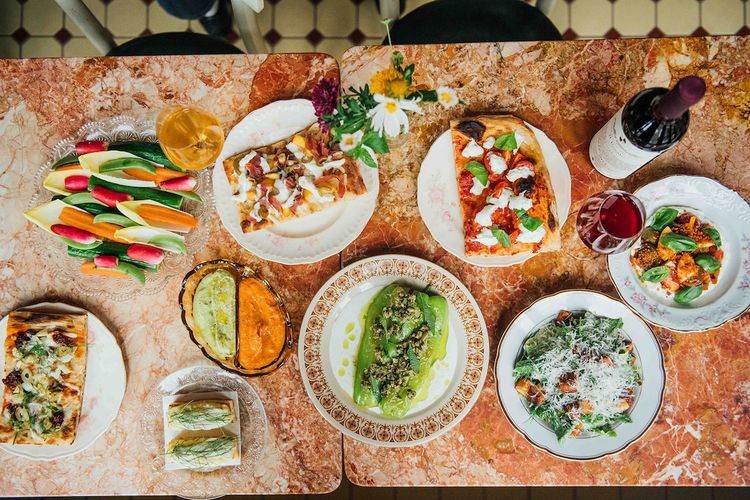
Rose recommends opening with the salatim platter, which brings seven or eight dips and spreads alongside pita, falafel, olives, pickles and tahini. “It’s the best way to start a meal here, for sure,” he says, and depending on the size of the table, it can be a meal on its own. That platter also shows how deep the vegetarian side of the menu runs. To Rose, Fat Pasha is “probably one of the best vegetarian restaurants in the city.”
The roasted cauliflower follows close behind. Rose credits Miznon, out of Israel, with the original, first came across it in Paris, then made it his own then made it his own by roasting it and finishing it with halloumi, zhug, tahini, pine nuts and pomegranate.
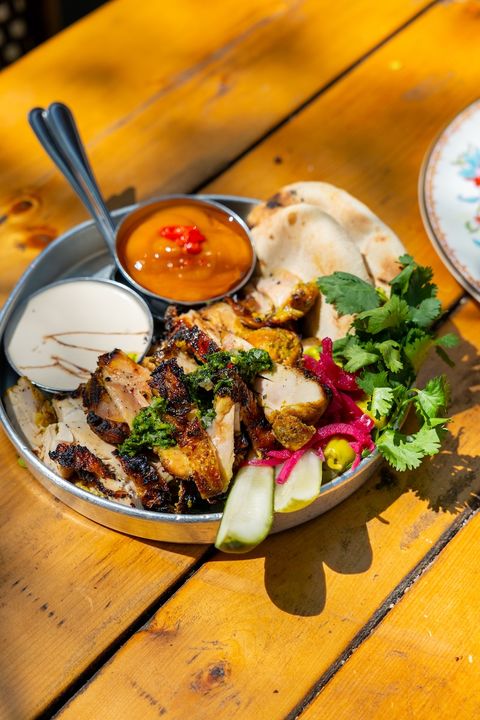
The grill carries its own share of the menu, anchored by a grilled chicken shawarma alongside a rotating selection of proteins. Like the dips and the cauliflower, they are made to be passed around the table. Back in the kitchen, the team ferments a good amount of its own condiments, from amba to onions and chili peppers.
On Saturdays and Sundays, Fat Pasha opens for brunch, with eggs, latkes, pickles and pita landing on the table. You get the same blend of Jewish flavours as at dinner, with latkes on the Ashkenazi side and pita and pickles echoing the salatim.
Rose’s Own Picks
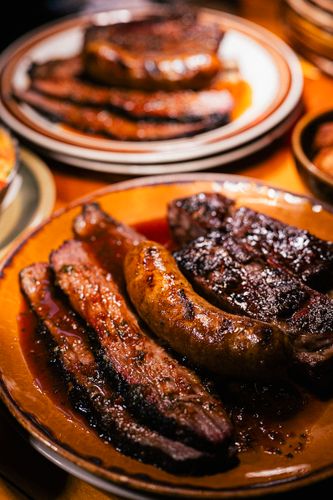
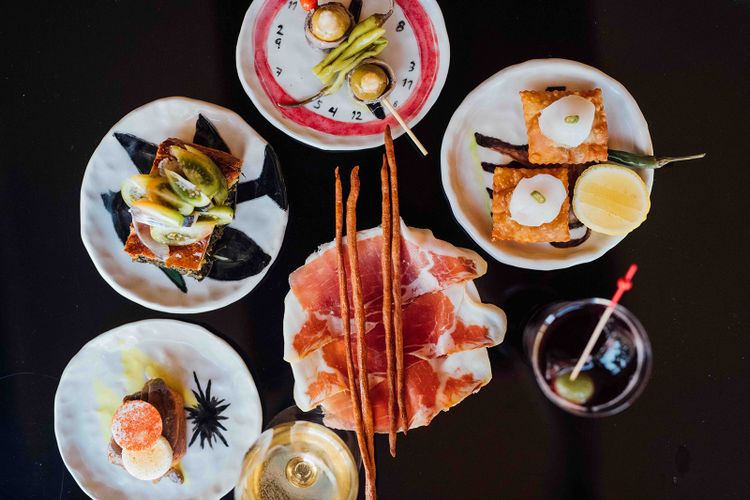
Although most people walk into Fat Pasha with the signature dishes in mind, Rose has his own picks. Linda’s brisket, named for his mother, comes in a sweet onion gravy under a huge pile of crispy fried onions, and “I think it’s one of the best things on the menu,” he says. From the grill, he points to the Ontario lamb chops, cooked with plenty of their own fat, glazed with pomegranate and served with olives and beans. From the cocktail menu, his order is the dirty pickle on the rocks, essentially vodka and pickle juice loaded with olives and lemon. “It’s just got all the goodness,” he says, and wine and beer are on the list as well.
Fat Pasha shares one of the best patios in Toronto with Schmaltz Appetizing, the neighbouring shop Rose and Wilder also run. Schmaltz handles the bulk of the daytime crowd while Fat Pasha takes the evening, with theatres just around the corner. Beyond the restaurant, the kitchen also does plenty of catering and take out.
After years of juggling six or seven restaurants, Rose has brought it down to two, Fat Pasha and Schmaltz, and can now spend seven days a week here. “It’s not work,” he says. “This is my love.” Judging by the tables still filling up after more than ten years, Toronto feels the same way.
Written by Marie-Ève Godin
Photography by Scott Usheroff