The Best Bakeries in Toronto
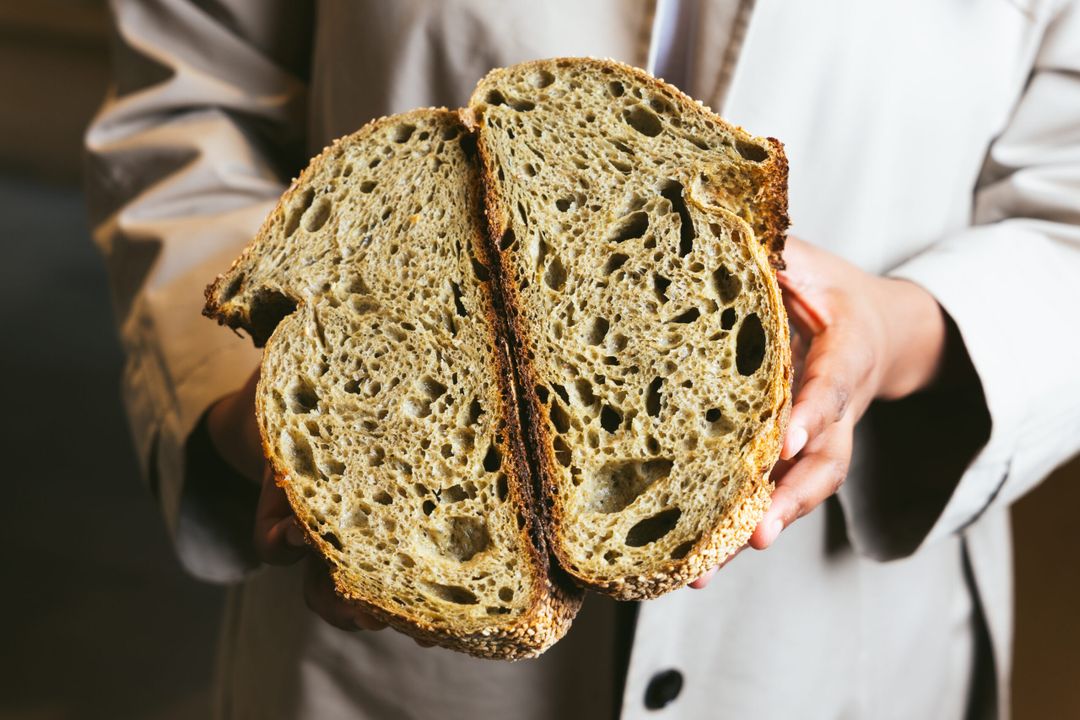
The best bakeries in Toronto: here are our favourite spots!
Ask ten Torontonians where to buy bread and you’ll get ten different answers, most of them delivered with a fierce, slightly territorial loyalty. That’s the thing about a good neighbourhood bakery: it becomes part of your routine before you notice. The Saturday loaf you pick up on the way to the market. The croissant eaten standing on the sidewalk because it couldn’t wait. The box of pastries you carry to a friend’s place, already planning which one you’ll claim.
Toronto’s bakery scene is shaped by the people who brought their recipes, techniques and habits with them, and by a newer generation of bakers rethinking what bread can be. On one street, a Portuguese bakery fills its counters with custard tarts still blistered from the oven. A few blocks away, a family-run Italian shop has been baking the same cookies and loaves for decades. Elsewhere, bakers are milling their own flour, fermenting dough for a day or more, and laminating croissants with the patience of watchmakers.
What ties these places together is craft. Sourdough with a deep, crackling crust and an open crumb. Viennoiseries that shatter at first bite. Cannoli, pastéis de nata, butter tarts and milk buns, each carrying the memory of somewhere else and each now unmistakably part of Toronto. The best bakeries here don’t try to be everything. They know what they do well, and they do it every morning, often before the sun is up.
This list brings together the best bakeries in Toronto, the ones we keep going back to. Some are micro-operations born in a pandemic, others are institutions that generations of Torontonians have grown up with. Some are about bread first, others about pastry, coffee or a long lunch on the patio. Each has its own reason for being here, and none of them paid to be included: like every Tastet list, this one is an independent editorial selection.
So bring a tote bag, arrive early on weekends, and be ready to buy more than you planned. And if you’re looking for a great coffee to go with your croissant, check out our list of the best coffee shops in Toronto! Bon appétit!
Bà Nội
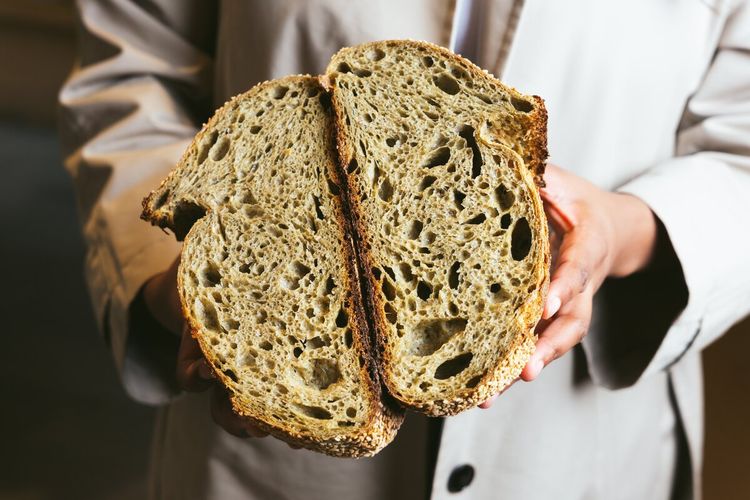
Bà Nội was never supposed to be a bakery. Chef An Tran, who grew up in Toronto in a Vietnamese family, had planned a modern Vietnamese restaurant in the Bloorcourt storefront that once housed his father’s print shop. Then the pandemic hit, and he started selling sourdough through the window instead. The restaurant never opened, and the neighbourhood is better for it. The name means “paternal grandmother,” and the tiny space still has a homespun charm, with plants in the window and a little wooden board for a sign. Come for the sourdough, but leave room for the Hong Kong-style milk buns (soft, gently sweet, gone fast on weekends), the gooey butter tarts (the favourite of our team!) and the brown butter chocolate chip cookies. Focaccia and seasonal galettes round things out.
Toronto
Bakery Pompette
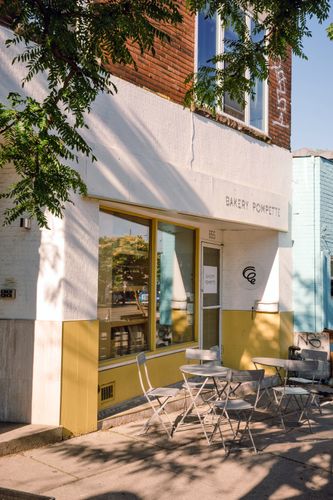
The team behind Bar Pompette and Bar Allegro doesn’t do anything halfway. Co-owners Martine Bauer, Jonathan Bauer-Monneret (Meilleur Sommelier de France 2014) and Maxime Hoerth (a Meilleur Ouvrier de France barman) first baked bread for their College Street dining room, and when demand outgrew the kitchen, a bakery a few doors away followed. The lineup is tight and very French: spelt, seed and baguette sourdoughs fermented for 24 hours, all-butter croissants made with European-style butter and organic Quebec flour, almond croissants, escargots and seasonal Danishes. The sleeper hit is the crème caramel, made with egg yolks left over from the bar’s cocktail program. That kind of thrift runs through the place: lemon zest comes over from the bar, banana peels go back as syrup. It’s a grab-and-go shop, so plan to eat on the sidewalk.
Toronto
Dear Grain
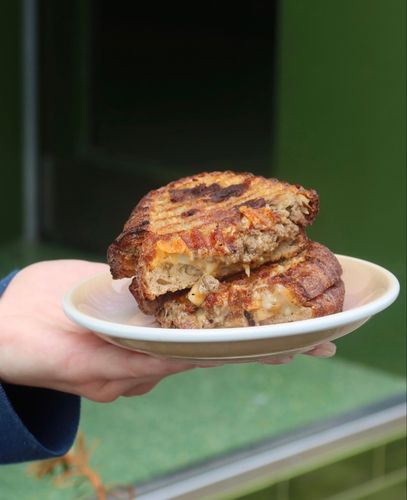
Dear Grain started as a lockdown sourdough delivery service out of Hamilton and has grown into one of the most recognizable bread names in the region, with shops on Ossington and Roncesvalles and more on the way. The focus has always been sourdough, and the process is what sets it apart: locally sourced organic and heirloom grains, doughs fermented for 12 to 36 hours, and high hydration that gives the loaves their glossy, open crumb and serious crust. Beyond the classic country loaf, look for the super seeded loaf and the multigrain porridge pan loaf, which makes exceptional toast. The counter also carries croissants, sandwiches and seasonal bakes like scones, cookies and babka. Shelves of flours, jams and pantry goods make it easy to turn a bread run into a full grocery stop.
Toronto
Emmer
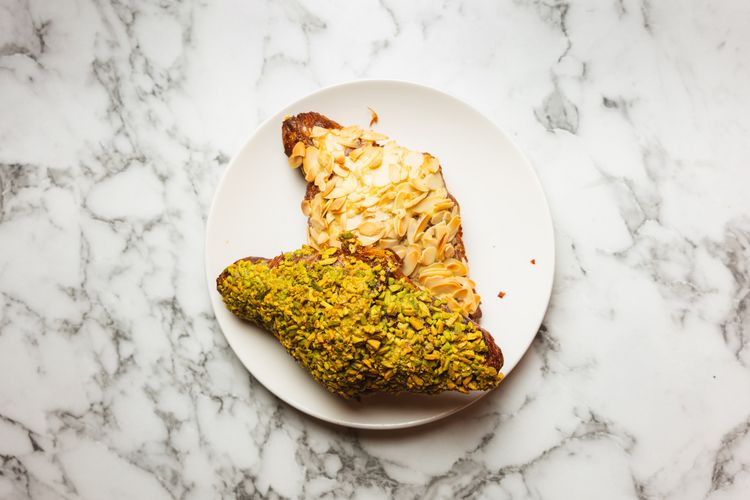
By day, Philip Haddad is a prosthodontist. For about 20 years, he’s also been a dedicated baker, doing short apprenticeships in Paris, San Francisco and elsewhere. In his Harbord Street bakery, that obsession shows in the details: a sourdough program at the core, English muffins baked each morning for the breakfast sandwiches, house-cured ham, and sausage rolls made with meat ground in-house. Then there’s the pistachio croissant, the one people line up for. It’s made in limited quantities, can’t be pre-ordered, and usually justifies the early alarm. Lunch brings savoury toasts, patty melts and house-made pasta, served on a heated, covered patio that stays open year-round (there’s no indoor seating). Emmer is licensed, too, and even has its own beer, Proof, brewed in northern Ontario with the bakery’s sourdough.
Toronto
Brodflour
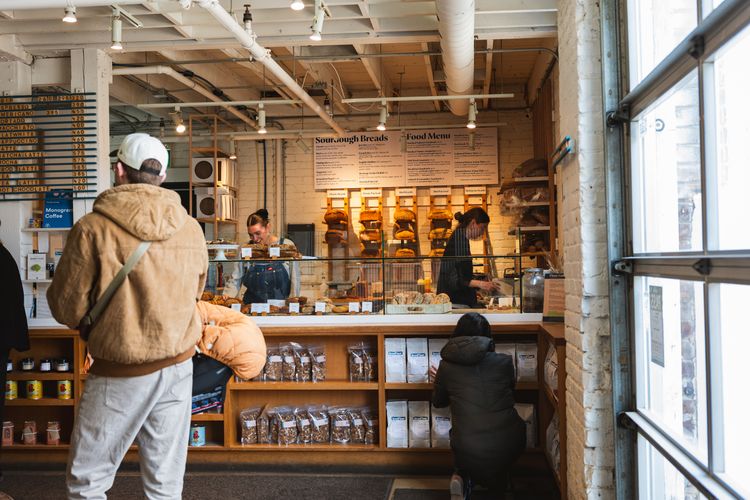
At Brodflour, bread begins with whole grain, not a sack of flour. Grain from regenerative and organic farms in Manitoba is milled on two stone mills in Liberty Village, then used within hours. Watching the mill turn from the counter is part of the experience. The gentle stone milling preserves the grain’s oils and nutrients, and you can taste it in the sourdoughs made with hard red wheat, spelt and other heritage grains. The bread wall is the main event, but the viennoiseries are made with the same house-milled flour, and the bagels have their own following. Don’t leave without the turkey sandwich: half a sourdough baguette pressed on the grill with aged cheddar, sweet onion relish, aioli, arugula and cultured butter. The prices stay close to grocery-store levels, on purpose. As the team puts it, good bread shouldn’t be a luxury.
Toronto

Sud Forno
Sud Forno exists because Terroni co-founder Cosimo Mammoliti wanted his guests to eat proper Italian bread, at the table and at home. He brought in a master baker from Italy to train the team, and the bakery that grew from that work now supplies the Terroni restaurants. The shops have the easy rhythm of an Italian bar: espresso and a cornetto at the counter in the morning, a slice of Roman-style pizza later on, and a loaf from the wall on the way out. The breads lean southern, including the rustic Pugliese and the smoky grano arso, made with toasted wheat. The pastry case is a tour of Italian classics: rum baba, bigné, baci di dama and mini cannoli. The two-storey downtown location at 132 Yonge adds a cafeteria counter and a sit-down dining room, but the Queen West original remains the classic stop.
Toronto
Conci.
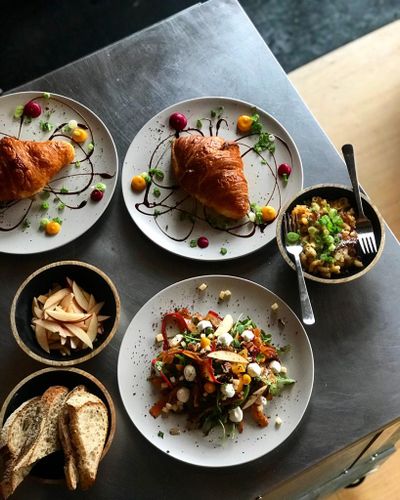
Conci is the kind of place that makes a stretch of Gerrard East feel like a neighbourhood in Lyon. Manon Tournayre grew up in a family of French pastry chefs (her father opened Tournayre Pâtisserie in the Beaches decades ago), and Charles Boggio, a Lyon native, trained at the Institut Paul Bocuse. Together they opened Conci in 2019, in a space attached to the Redwood Theatre. The name is short for conciliabule, a secret gathering, which fits its convivial spirit. The counter is all French classics, but the pastry people talk about is the triple cheese croissant, stuffed with brie, cheddar and Swiss and finished with poppy seeds. Natural wine is poured by the glass, and in winter, the outdoor Raclette Parties draw crowds bundled up under blankets. A bakery, yes, but also a small celebration.
Toronto
Tre Mari Bakery
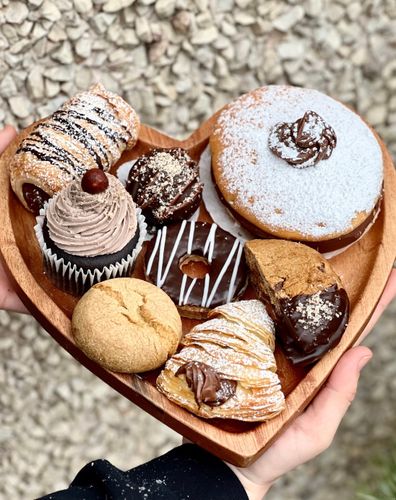
Vincent Deleo Sr. opened Tre Mari on St. Clair West in 1960, and more than six decades later, his family still runs it. Today, brothers Frank, John Paul and Alessandro Deleo keep things going, with the same approach: fresh Italian food at prices that remain neighbourly. Walking in feels like stepping into Corso Italia’s living room. A long case of cookies, cakes and pastries splits the room, with a few tables on one side and a small grocery on the other, where bread is baked throughout the day. Pick up a Calabrese or Vienna loaf, then turn to the cannoli, the house’s pride, which also come in limoncello and sambuca versions. In early February, look for minne di Sant’Agata, the Sicilian pastries made for the Feast of Saint Agatha. Hungry? The hot table and the veal and meatball sandwiches are there for you.
Toronto
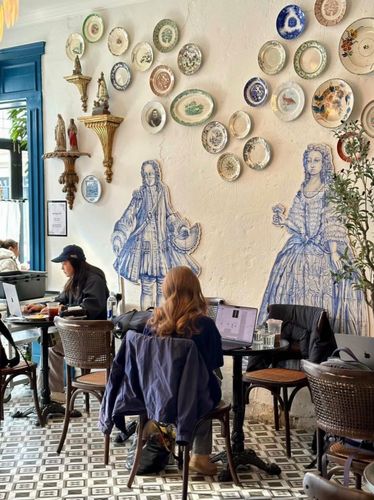
Cafe Belem
The pastel de nata clock on the wall, its numbers replaced by custard tarts, tells you what matters here. Café Belém is a father-and-son project from Carlos and William Oliveira, the family behind Mercado. William studied bread and pastry in Portugal, then spent two years at Noctua Bakery in the Junction before taking charge of the ovens on College Street. The room looks like a corner of Lisbon, with blue tiles, chandeliers and Bordallo Pinheiro ceramics. Start with a pastel de nata or two, then work through the pão de deus, a soft bun topped with coconut, and the bolo de arroz. The croissant glazed with port and lemon syrup brings a Portuguese accent to a French classic. At lunch, there’s a tosta mista on house-made milk bread, and a bottle shop for Portuguese wine.
Toronto
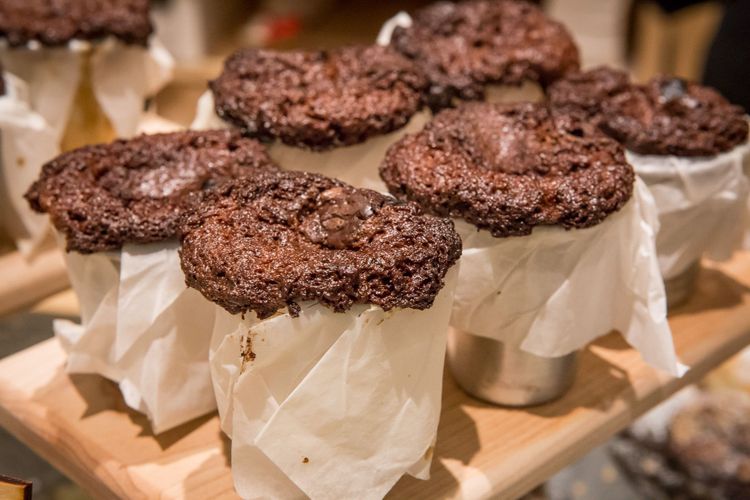
Forno Cultura
Andrea Mastrandrea spent years as an architect before returning to the craft his family had practised for generations; his recipes come from his father and grandfather. He launched Forno Cultura in 2013, and the King West flagship still shows that design eye: a warehouse-like space where bakers work behind glass and the shelves are stocked with Italian pantry goods. The breads are the heart of it, starting with sourdough filone and filoncini, with occasional surprises like loaves tinted with squid ink. The cookie counter, sold by weight, is a pleasure to linger over, from chocolate-hazelnut and pistachio-fennel biscotti to pistachio amaretti. There’s also pizza, salumi sandwiches and, at breakfast, frittata-filled sandwiches. It feels like an Italian bakery reimagined for downtown Toronto, rooted in tradition.
Toronto
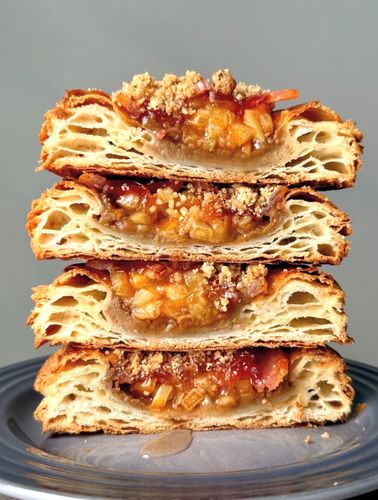
Blackbird Baking Co. Kensington Market
When Blackbird opened on Baldwin Street in 2014, head baker Simon Blackwell and his team were mixing starters and kneading dough by hand, reading the fermentation by feel. The bakery sold out of bread by 1 p.m. on its first day, and it has been part of Kensington Market’s routine ever since. It has since expanded to other locations and moved production to a larger kitchen on Queen East, and its loaves now show up on the tables of plenty of Toronto cafés and restaurants. The range is wide, from baguettes and boules to pullman loaves, but the seeded sourdough batard is the one regulars swear by. Pastry gets the same care: the butter croissants look like a textbook illustration, and the focaccia sandwiches make a reliable lunch. Few bakeries in the city have done more to shape what Torontonians expect from their bread.
Toronto