Kissa Tanto: Japan and Italy on top of a Chinatown staircase
Kissa Tanto
- $$$
- Booking
-
263 East Pender Street Vancouver V6A 1T8
+1 778-379-8078 -
Monday: Closed
Tuesday: Closed
Wednesday: 5:30 PM – 11:00 PM
Thursday: 5:30 PM – 11:00 PM
Friday: 5:30 PM – 12:00 AM
Saturday: 5:30 PM – 11:59 PM
Sunday: 5:30 PM – 11:00 PM
-


- Restaurant
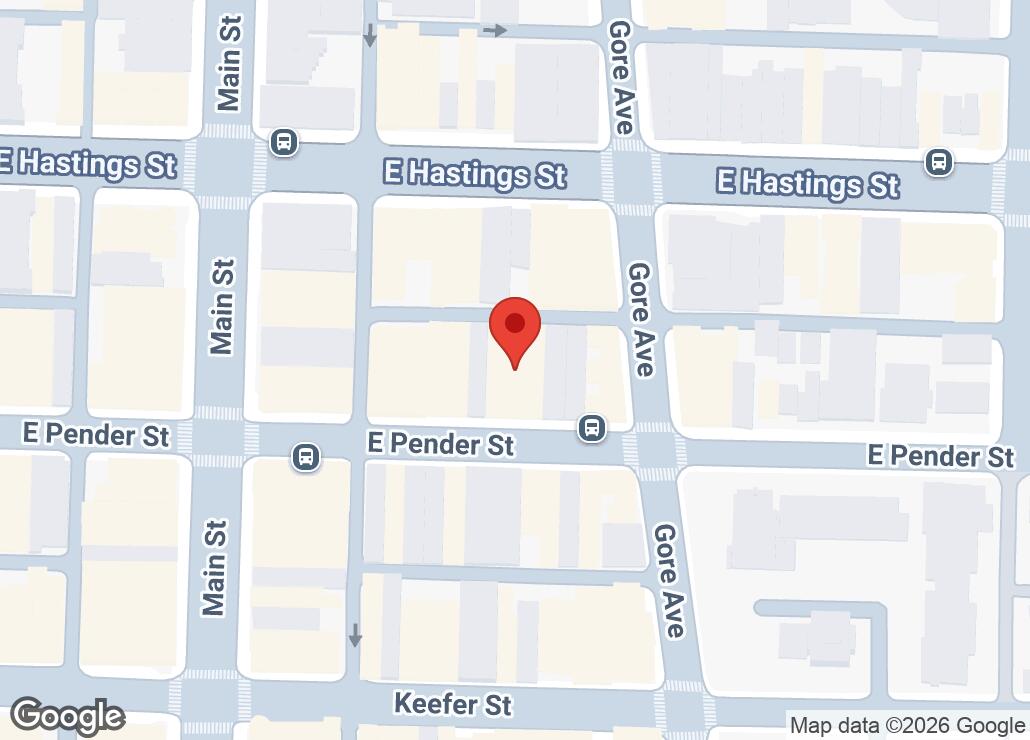
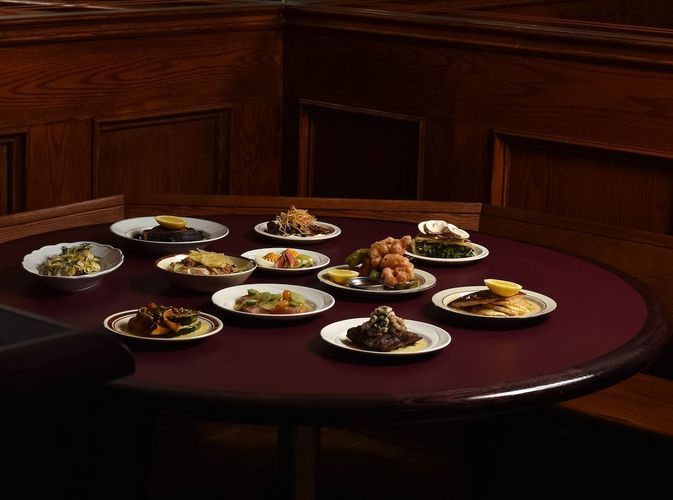
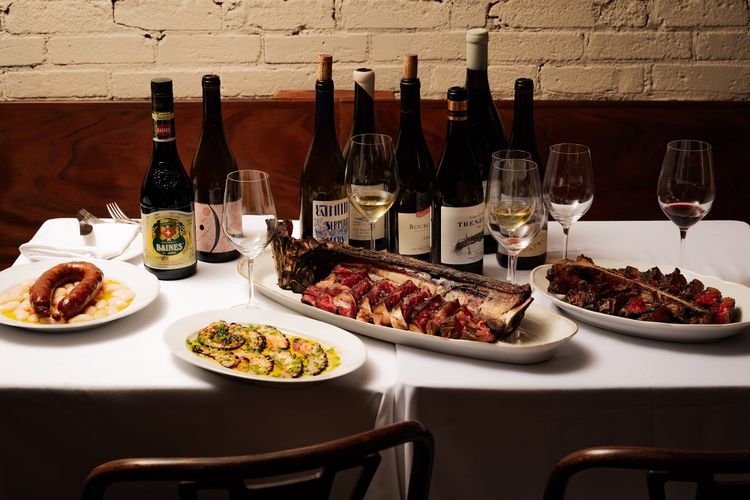
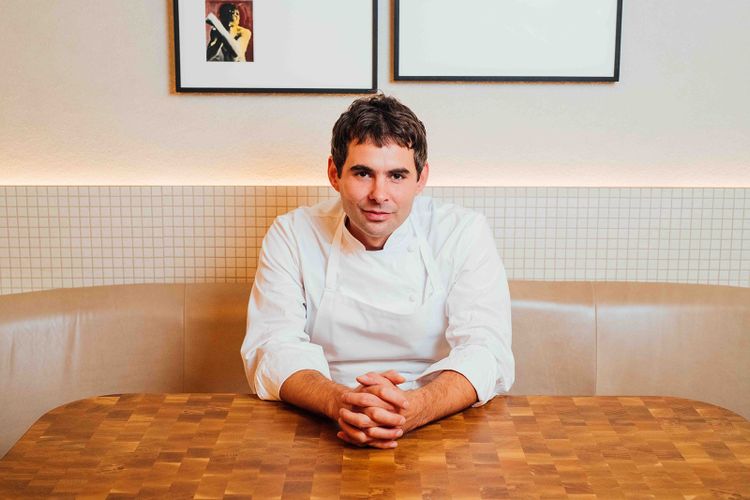
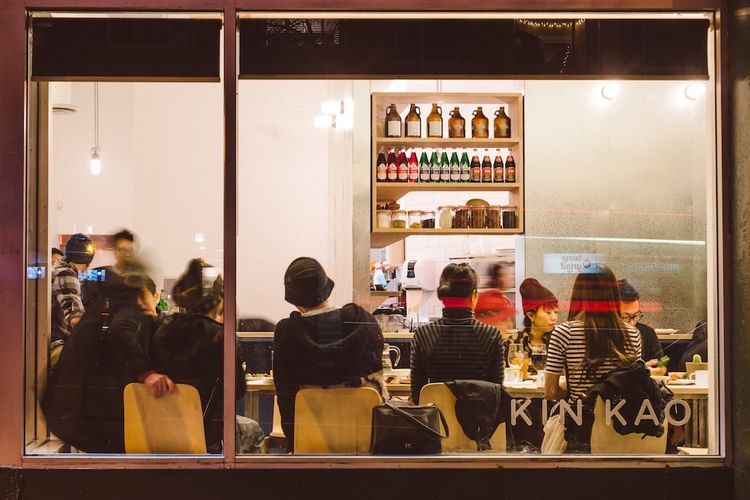
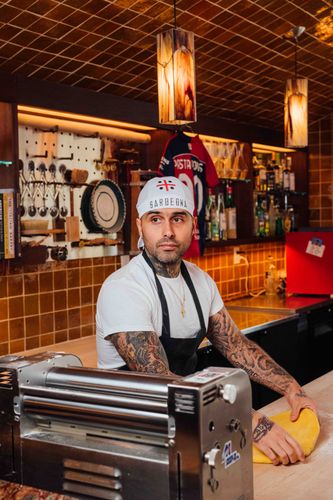
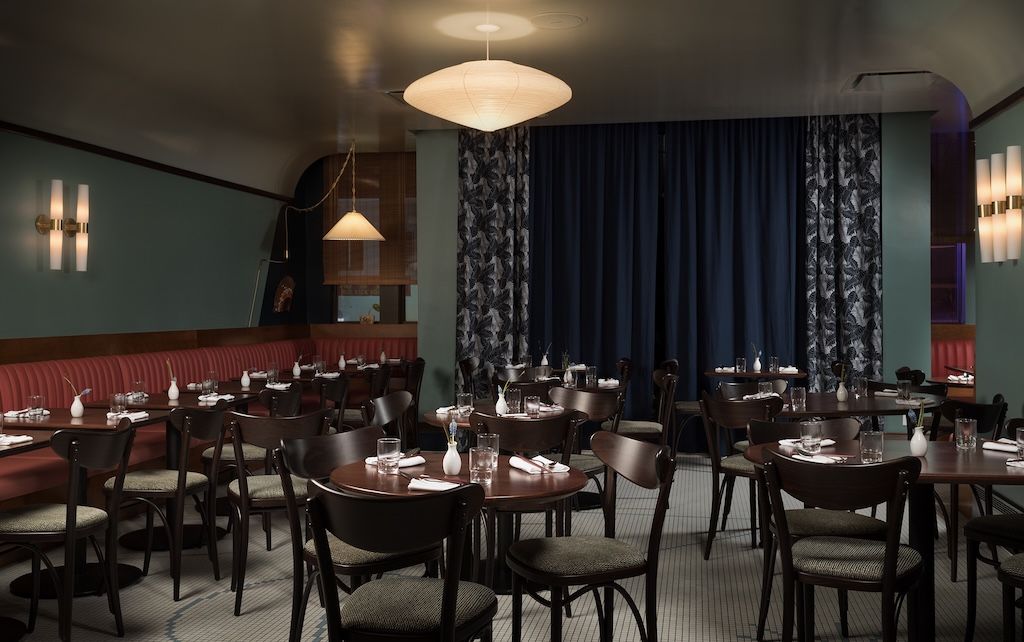
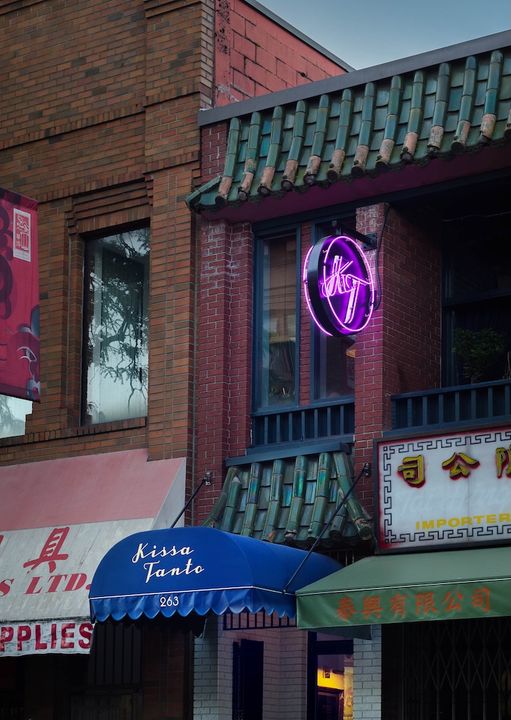
From East Pender Street, Kissa Tanto barely announces itself: a royal-blue awning, a small purple “KT” in neon, and a steep staircase tucked behind velvet curtains. At the top, the room opens onto curved banquettes, polished brass and a wall of vinyl records where most bars would hang a mirror. Joël Watanabe, chef and co-owner, has heard guests compare it to an early 1900s ocean liner, or to Los Angeles in its heyday. “It’s got a lot of different things to many different people,” he says.
Tokyo jazz cafés and “a lot”
The name joins two languages. Kissa comes from jazu kissa, the Tokyo jazz cafés of the 1960s, and tanto is Italian for “a lot.” The pairing mirrors the chef’s own family tree. His father is Japanese. His mother is a French-Canadian from Northern Ontario whose father emigrated from Corsica, with Sardinian roots a generation further back. Growing up in Ottawa, he ate everything from scratch, and later spent years splitting his weeks between sushi counters, French bistros and Italian kitchens in Montréal.
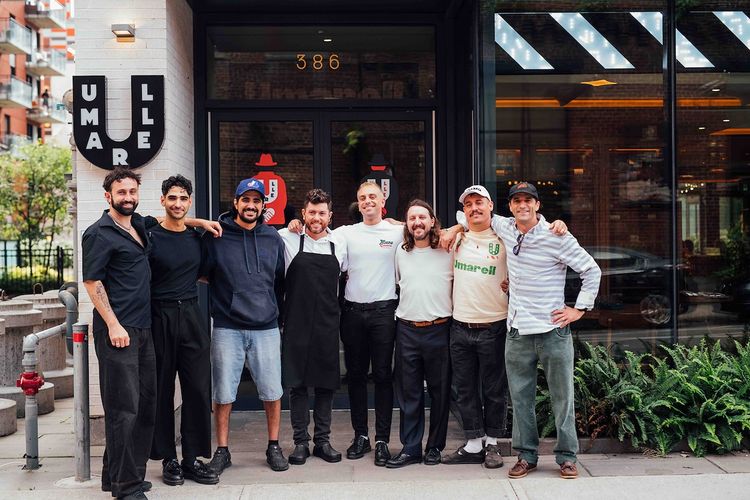
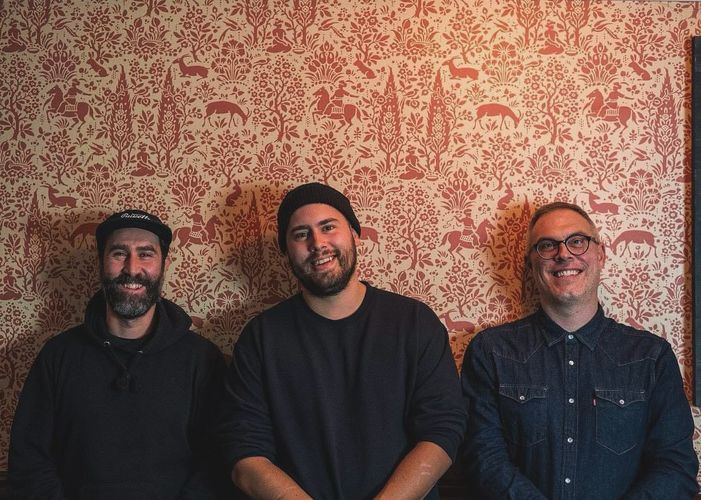
The restaurant grew out of a crossroads. After six years running the kitchen at Bao Bei, a few blocks away, he told its owner, Tannis Ling, that he would either go off on his own or they would build something together. They chose the second option and brought in his longtime sous-chef, Alain Chow, as the third partner. Kissa Tanto went on to top enRoute’s list of Canada’s best new restaurants, earned a Michelin star in Vancouver‘s very first guide, along with the Michelin Service Award, and has held that star ever since. “We’ve never tried to win awards,” the chef says. “Our focus is to do a good product and be a welcoming place.”
“Welcome to my house”
Kissa Tanto sits closer to fine dining than its siblings. The chef is in the room most nights, and he describes the feeling he wants as “welcome to my house,” something he believes travels from the owners down to every member of the team. Servers know the menu inside out and share what they know warmly, without lecturing. “I’ve always hated that about some fine dining restaurants where you feel like they’re trying to educate you, especially when they just assume you don’t know,” he says.
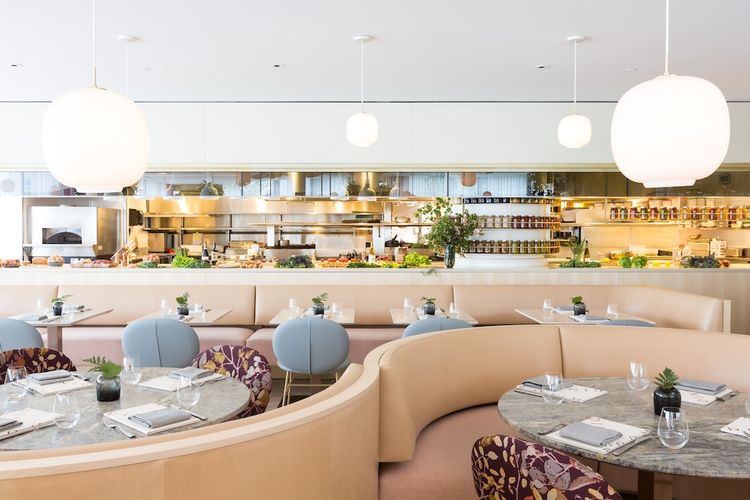
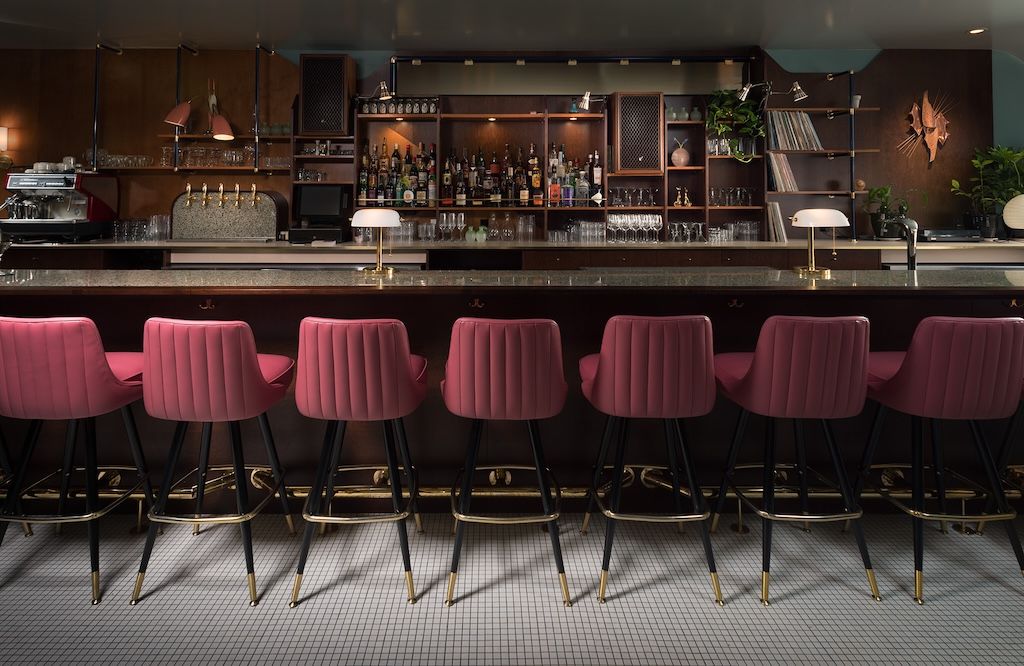
The design, by Ste. Marie studio, leans mid-century, with nods to the architect Gio Ponti and to Tokyo’s Hotel Okura: a glossy coved ceiling, pixelated floor tiles, banker’s lamps, maple, walnut and brass. Jazz plays under low, moody lighting. “It’s not a huge grand restaurant,” the chef says. “It’s a small, beautiful, intimate restaurant.” By his count, which he admits is biased, it ranks among the most beautiful rooms in the country.
Classics that stay on the menu
Guests can order à la carte or hand the evening over to the omakase. Some evenings the kitchen runs both at full tilt. A core of dishes never leaves, by design. “People really like to have the thing that they really loved over and over again when they come back.”
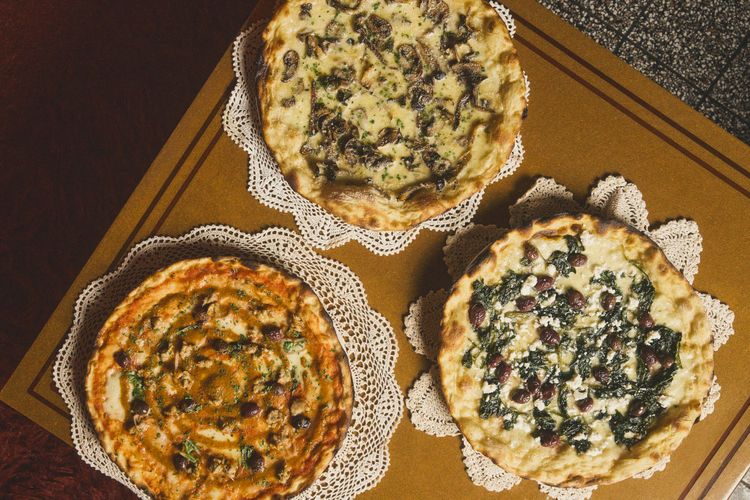
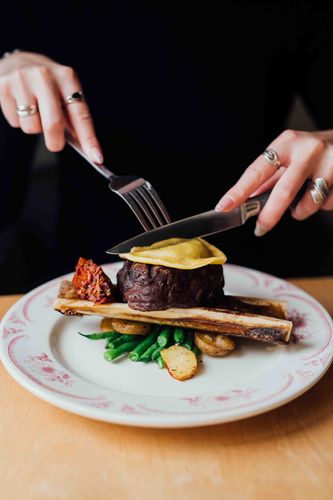
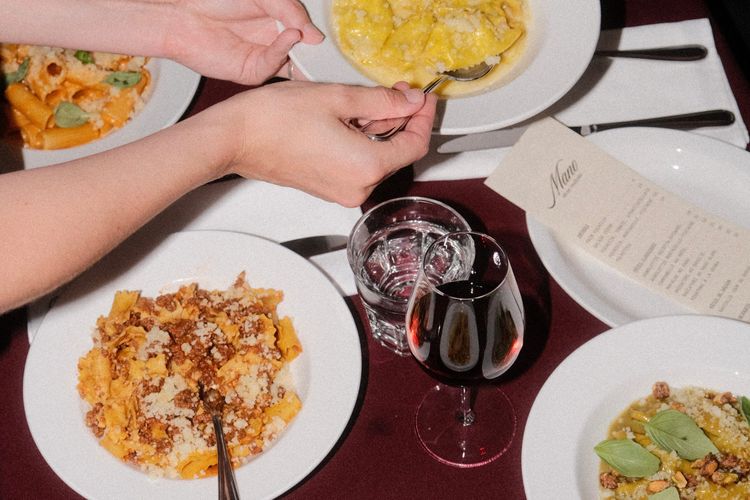
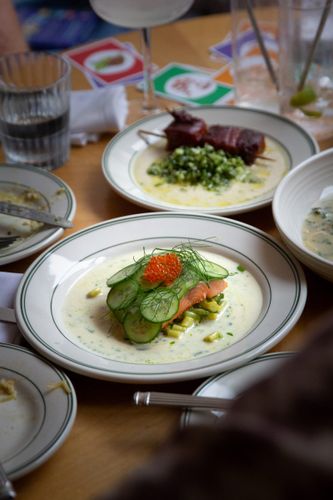
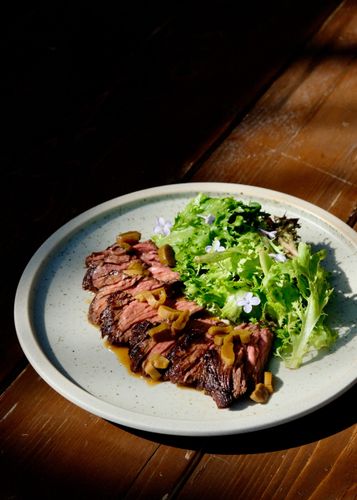
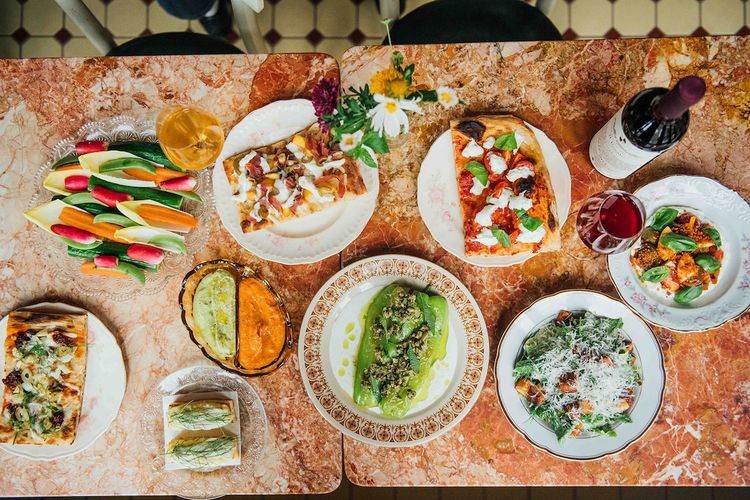
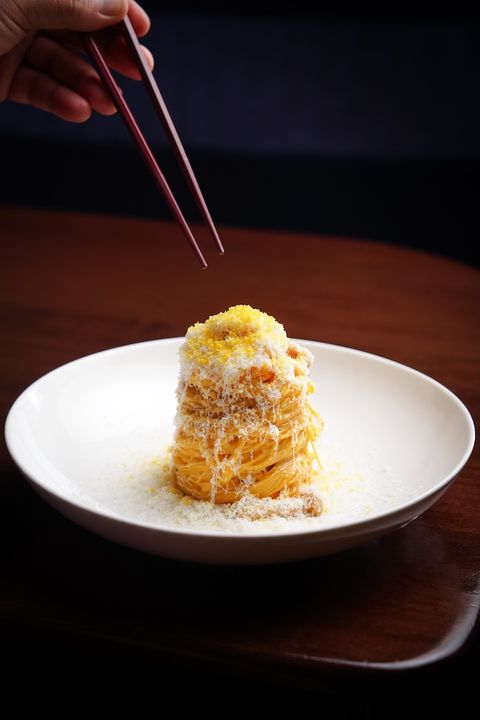
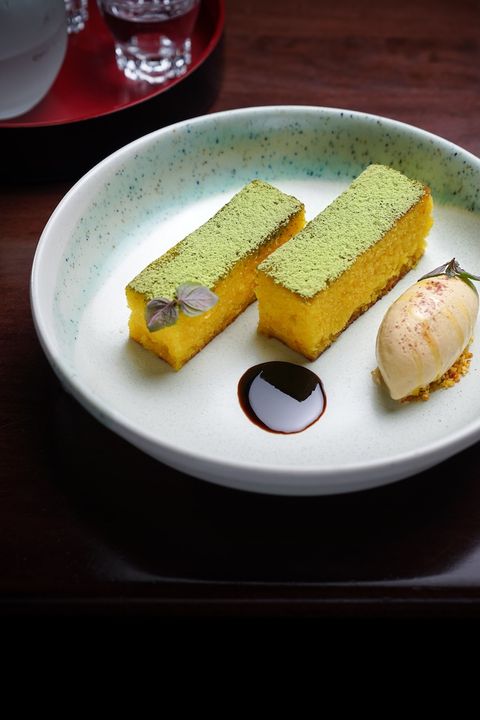
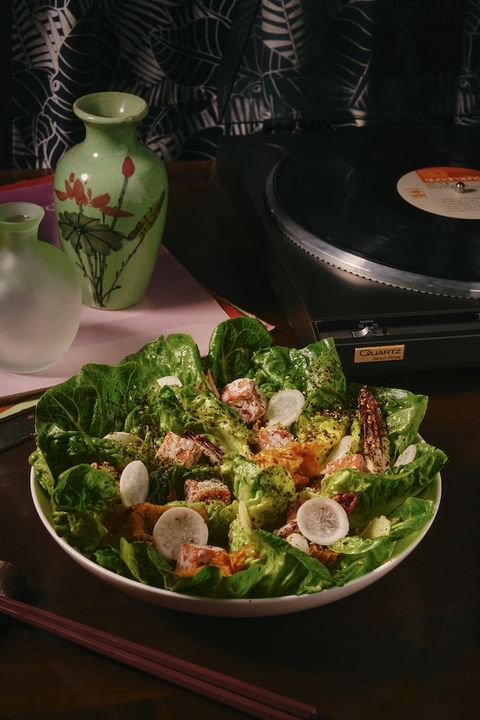
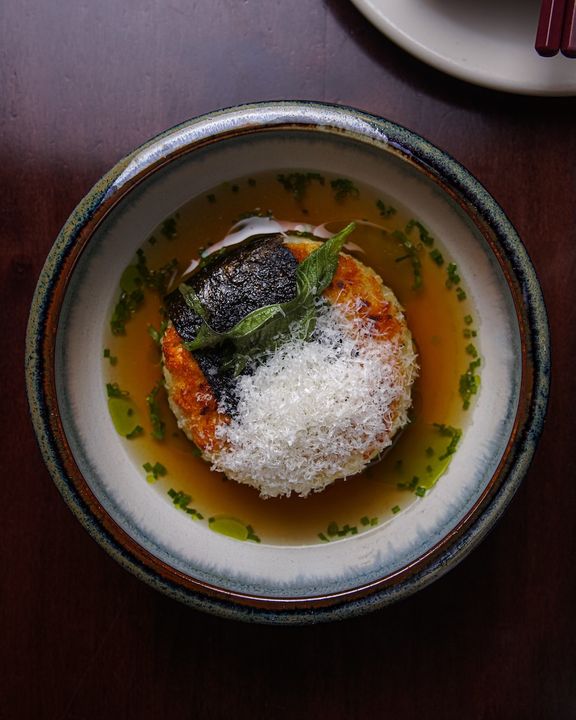
The charcoal udon, on the menu since the early days, is one of those fixtures: jet-black noodles tossed with Dungeness crab and a Calabrian chili butter. The Pacific rockfish, another longtime regular, comes to the table whole and deep-fried, with a dip of grated daikon and soy on the side. The tajarin, a hand-cut egg pasta, is dressed with butter, miso-cured egg yolk and parmesan, Japanese umami folded into a northern Italian classic (amazing !). Around these anchors, the seasons rotate in dishes such as a burrata with organic beets, Hakurei turnips, chicories and a minted soy emulsion, and desserts like mascarpone with honey gelato and caviar.
Boozy, balanced and never too sweet
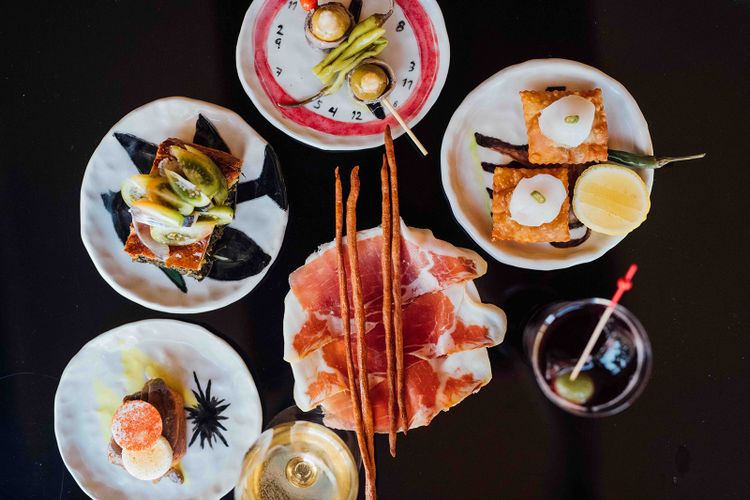
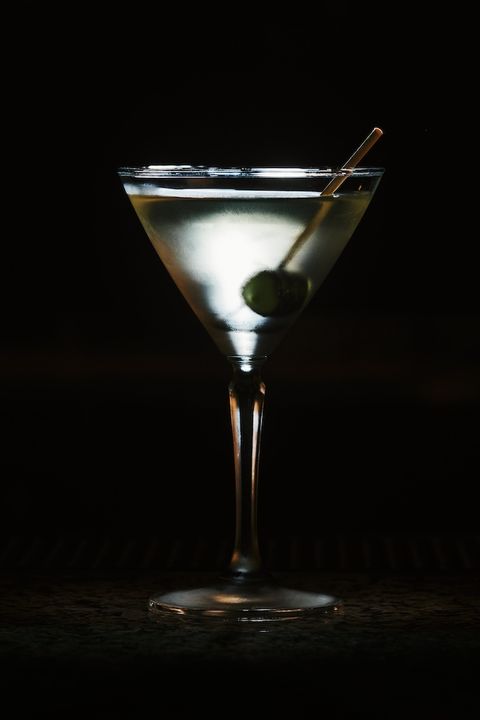
The bar has a pedigree. Before opening Bao Bei, Tannis spent years behind the bar at Chambar, learning from some of the city’s best, and a string of talented bartenders has passed through Kissa Tanto since. The house line on cocktails is clear. “We’re not big on super sweet cocktails,” the chef says. “We like boozy, well-balanced cocktails, or, if it’s a lighter cocktail, still well-balanced.” He describes Tannis’ palate as old school. Japanese and Italian ingredients drive the recipes, and the shelves hold more than 20 amari alongside Japanese whiskies and sakes, a natural match for food that lives between the two cuisines.
Asked what he is proudest of, the chef skips the accolades and points to people, starting with his two partners. “We’ve been through some big ups and downs and we managed to survive, which is, I think, a testament to the love for each other and the love of what we do.” Most of the cooks who have worked in his kitchens have stayed friends. During a recent stretch of short staffing, seven of them came back to help on different nights. “Showing care and compassion for the people that work for you is the number one thing,” he says. “You have to actually care about people and show that you care about people. And then those people will care for you.”
Written by Fabie Lubin
Photography by Niko Myrrä, Hakan Burcuoglu and Knauf and Brown