Restaurant Stop: Eastern European and French Cuisine in Toronto
Restaurant Stop
- $$$
- Booking
-
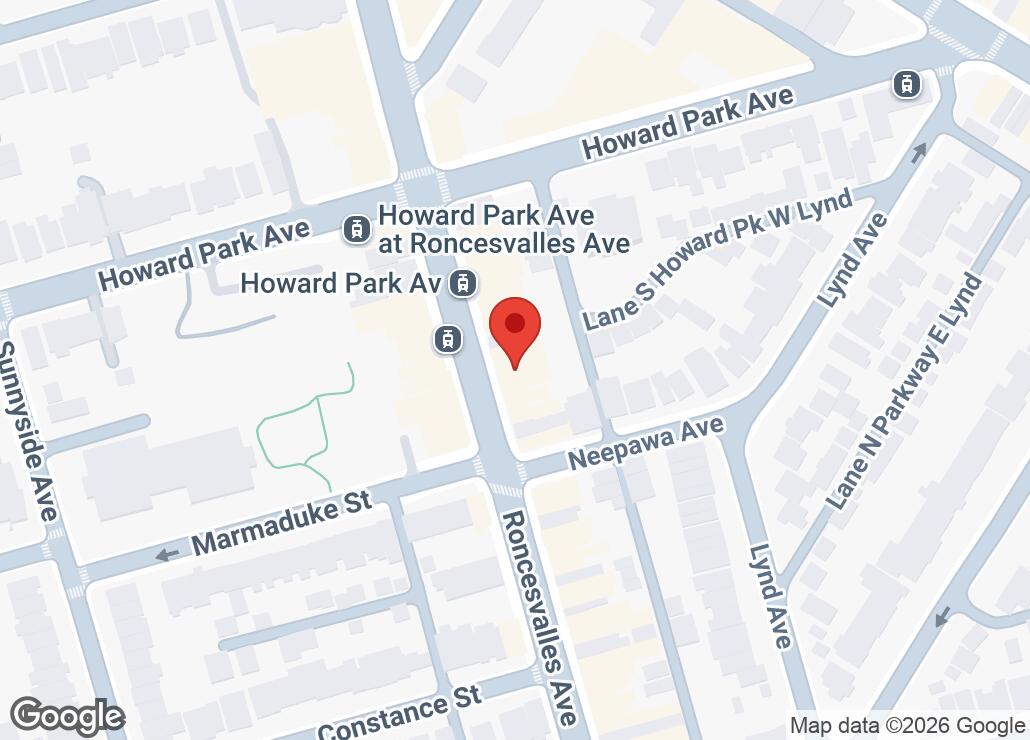
397 Roncesvalles Avenue Toronto M6R 2N1
+1 416-588-8848 -
Monday: 5:30 PM – 10:00 PM
Tuesday: Closed
Wednesday: Closed
Thursday: 5:30 PM – 10:00 PM
Friday: 5:30 PM – 10:00 PM
Saturday: 5:30 PM – 10:00 PM
Sunday: 5:30 PM – 10:00 PM
-

- Restaurant Wine bar
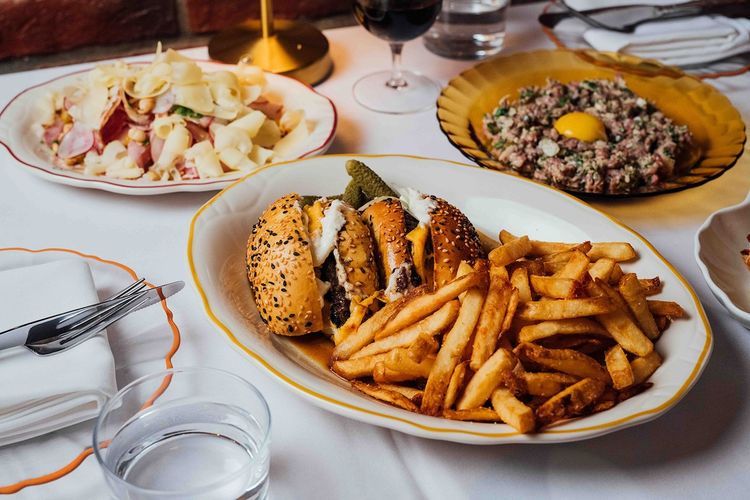
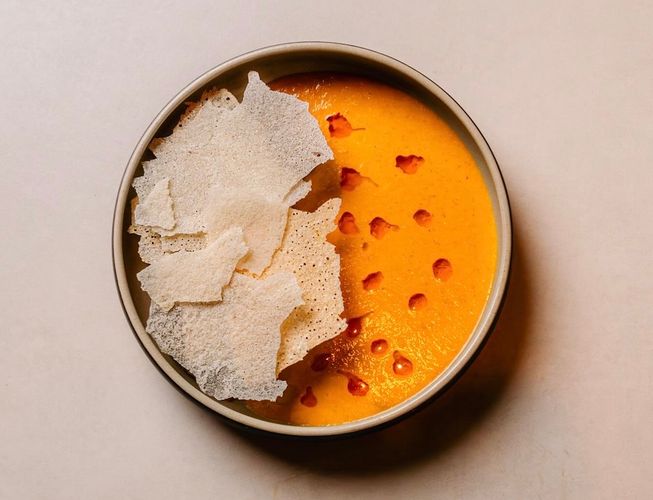
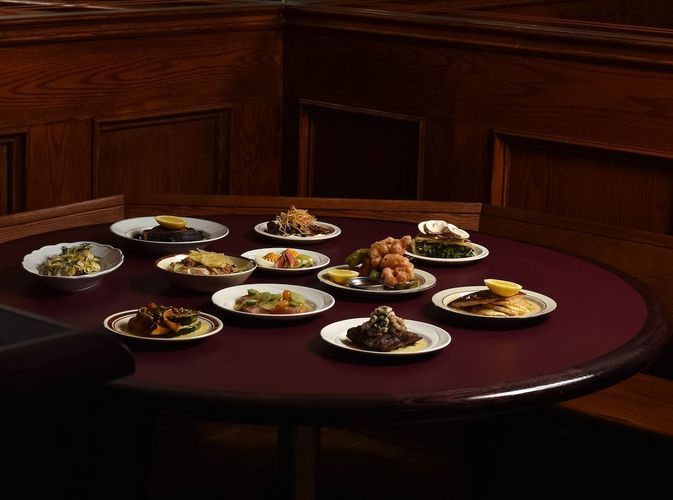
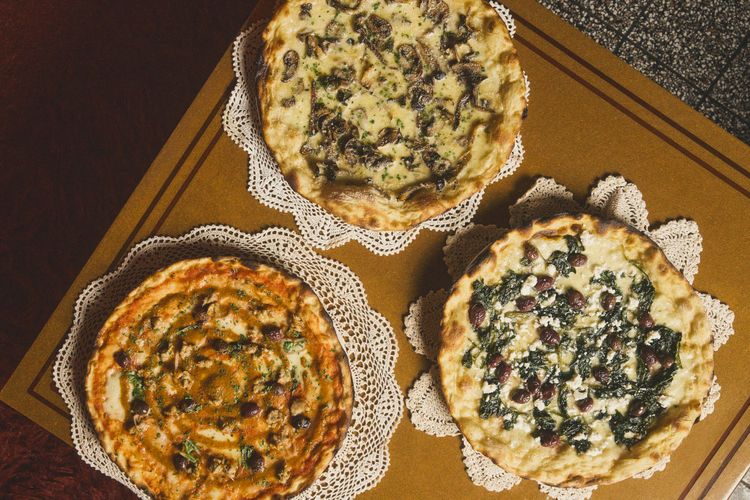
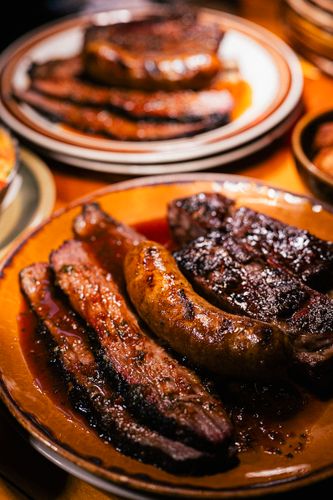
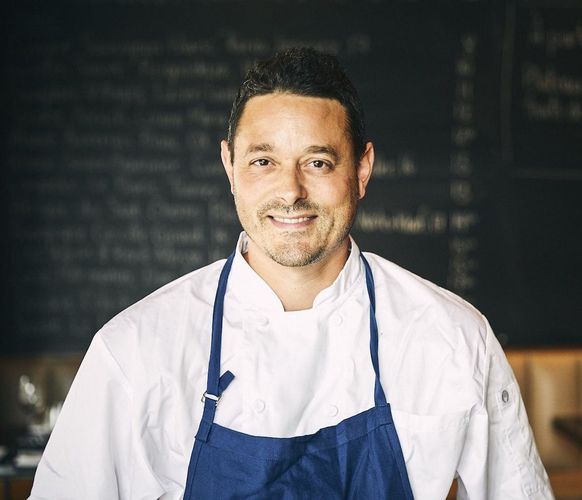
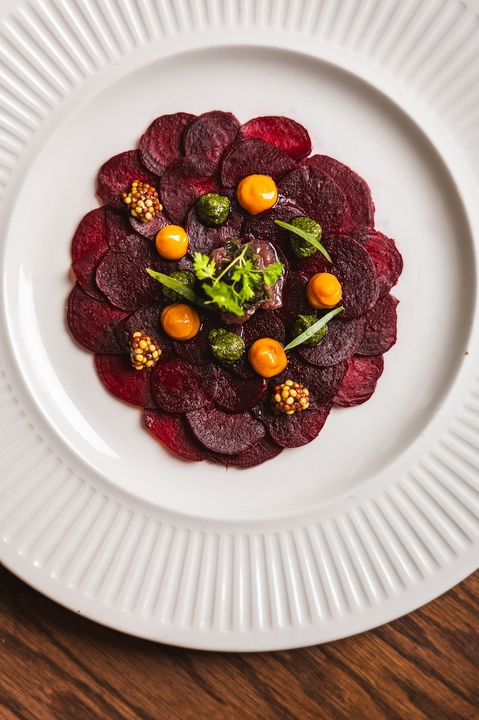
There is no other restaurant in Toronto quite like Stop. In the heart of Roncesvalles, its chef and owner serves a cuisine that draws as much from Eastern Europe as from France, in a space that feels more like someone’s home than a restaurant. Every plate, every lamp and every cabinet says something about the man behind it. The result is personal to the point of being impossible to copy.
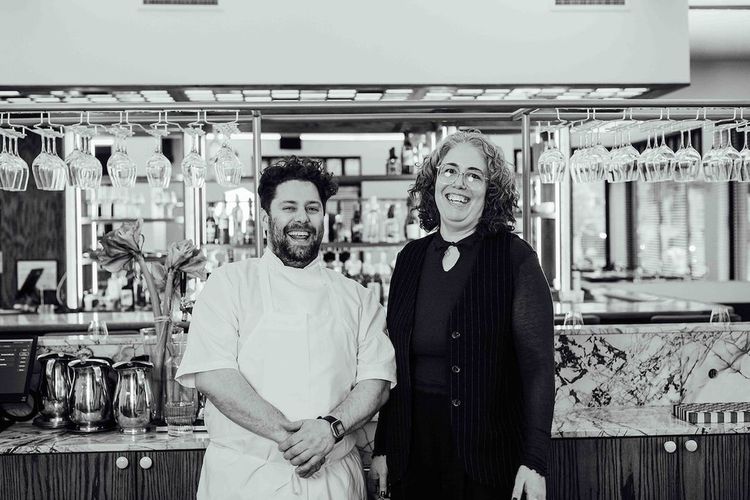
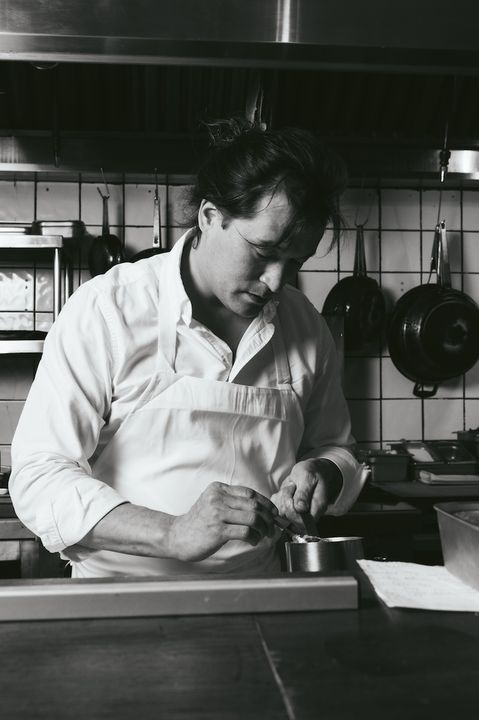
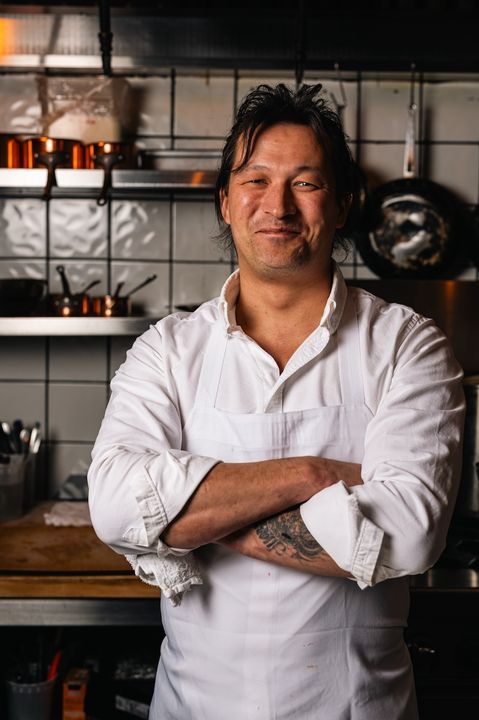
That chef is Denis Ganshonkov, and very little of his path was planned. Of Russian and Kazakh roots, he moved to Canada in the early 2000s, started working in restaurants because he needed a job, left cooking school at George Brown to keep earning, and taught himself the French preparations that fascinated him. He only truly fell for the trade in his thirties, around the time Stop became his alone. “Everything is very personal here, and nothing was planned,” he says. And yet what comes out of his kitchen is both refined and nostalgic, drawing as much from the dishes of his childhood as from the classical French repertoire.
A Long Road to Roncesvalles
Stop began in 2014 as the Ossington Stop, a bar on Dundas West. A lengthy buyout around the pandemic left Ganshonkov sole owner, and he moved the restaurant to Dundas and Sheridan, where it started to come into its own. Then an electrical fire forced it to close. For months, Stop lived as a travelling pop-up, hosted by more than a dozen bars and restaurants across the city, before settling on Roncesvalles.
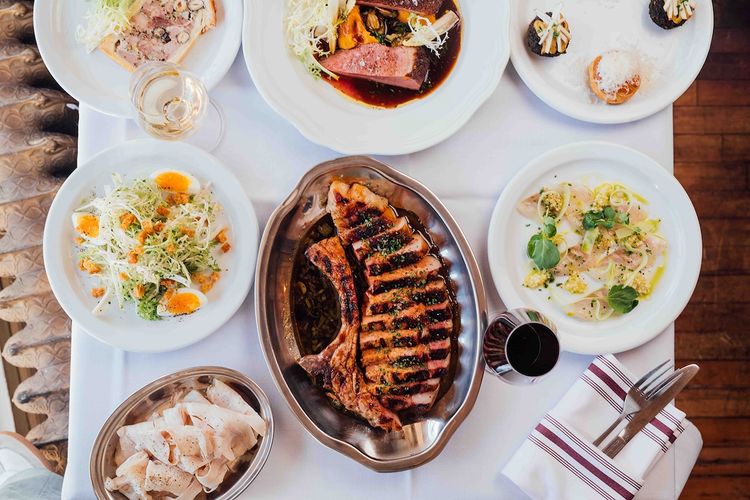
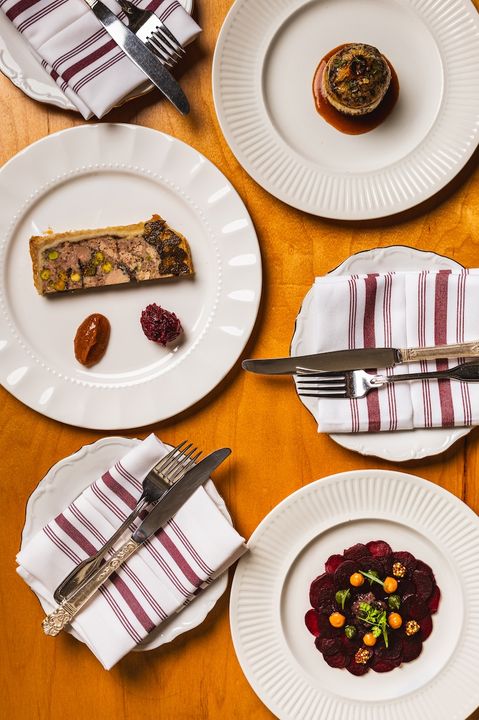
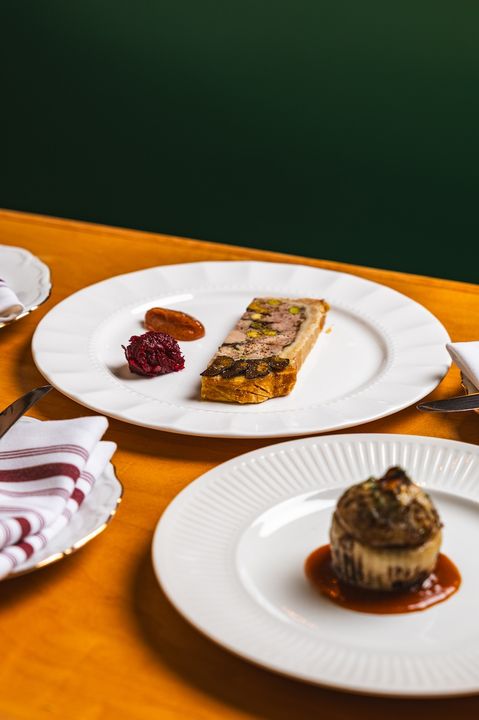
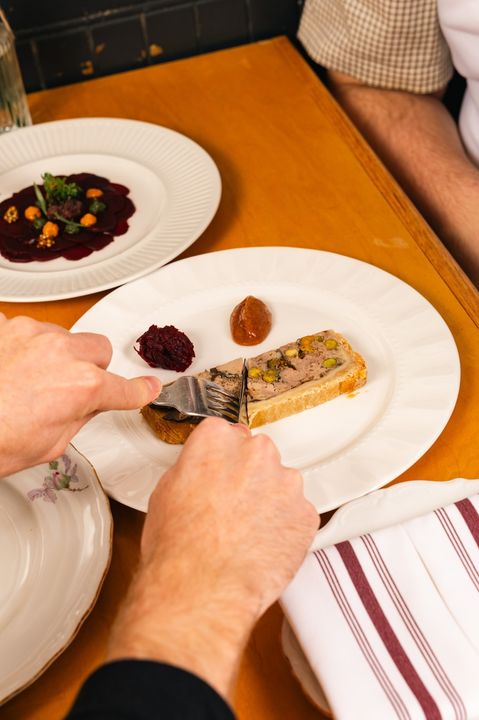
“It’s very, very ironic that it took a fire and very unpredictable circumstances for me to come to a conclusion of what the ideology behind the restaurant would be,” he says. Today, Ganshonkov describes the cuisine as Eastern European and French. It isn’t fusion so much as a reflection of his own taste, which is how a pâté en croûte can share the menu with a dish centred on buckwheat.
Eastern Europe, With a French Accent
The cuisines of former Soviet countries and France have long been intertwined, and Ganshonkov gives the Olivier salad as an example. The potato salad, known across the region, takes its name from Lucien Olivier, a French chef who cooked at the Hermitage restaurant in Moscow. “That’s what I grew up on, so I just went with it,” he says. “I’m going to make this very weird, niche style of Eastern European food that is heavily influenced by classical French cuisine.” The approach works, and there is clearly something about it that keeps drawing people back.
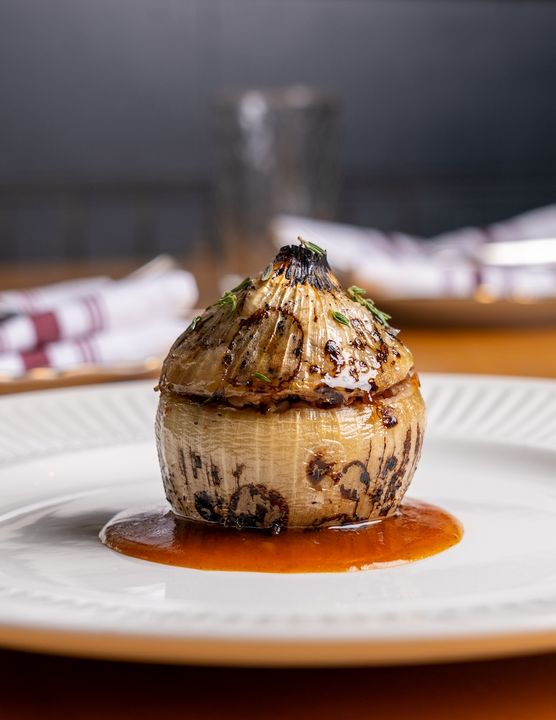
The stuffed onion captures that spirit: hollowed out and slow-roasted, it is filled with buckwheat, mushrooms and aromatics, then served with a butter and paprika sauce made from its own flesh. “That’s something that I eat every day at home,” says Ganshonkov of buckwheat, a staple he grew up on that rarely takes centre stage here, where it mostly shows up toasted for crunch. He turned the humble bowl of his childhood into an onion that has to be broken open at the table.
The menu follows the seasons, and dishes rarely come back once they leave. “I haven’t fully burnt out yet creatively, so I try to bring something new,” Ganshonkov says. The honey cake is the one exception. It was the first dessert Stop ever made: thin layers baked one by one, filled with crème fraîche and served with crème anglaise. “I don’t think I can ever take it off the menu,” he says.
The martini is Restaurant Stop’s only signature cocktail, its brine and garnish changing with whatever the kitchen has planned for the week, so depending on the visit, it might be a tangy dill or an anise-forward fennel. The short wine list, overseen by general manager and sommelier Olga, favours small producers and biodynamic bottles, leaning French with detours through Hungary, Austria and Germany.
Nothing Hidden, Nothing Planned
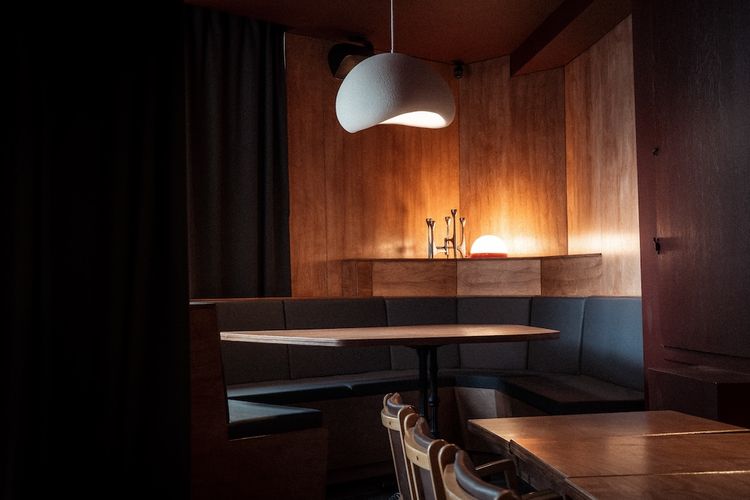
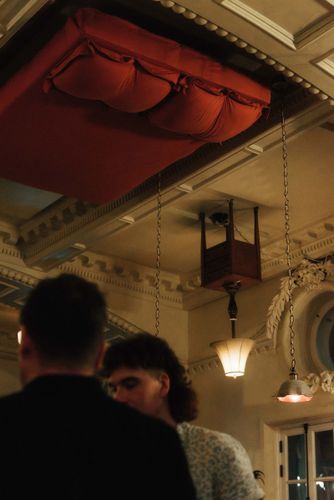
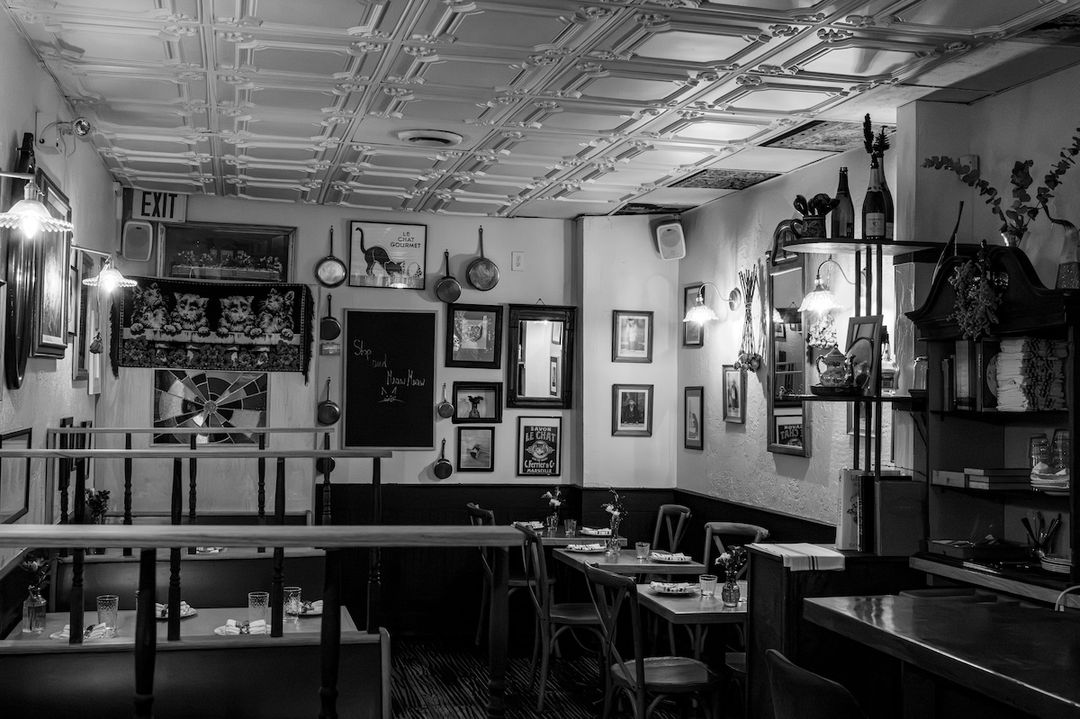
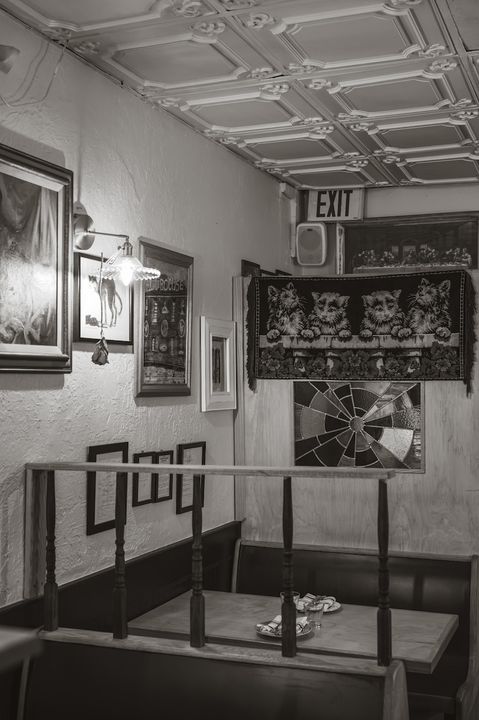
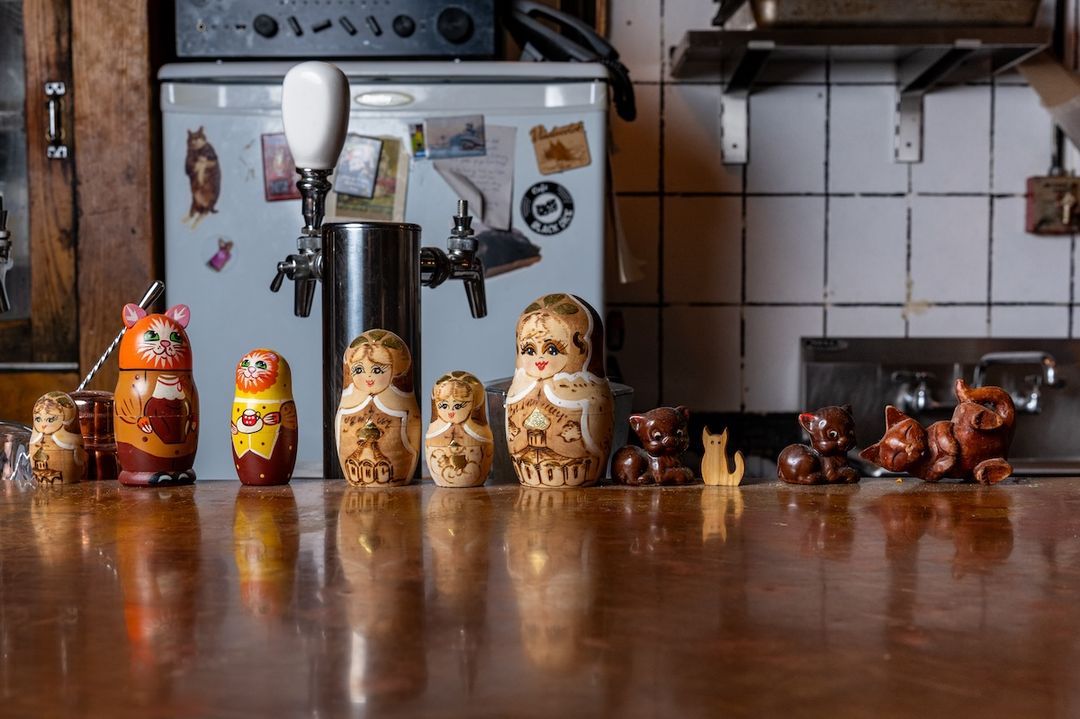
“The decor really just built itself,” says Ganshonkov. With no designer involved, he pieced the space together with Louis, who still cooks alongside him, and his former sous-chef Ella, using whatever survived the fire at the old restaurant. The odd angles of the new space dictated much of the layout, and he still moves a cabinet, a picture or a mirror from one end to the other when something feels off. Instead of hidden lighting, lamps stay in plain sight. “Nothing is being hidden,” he says.
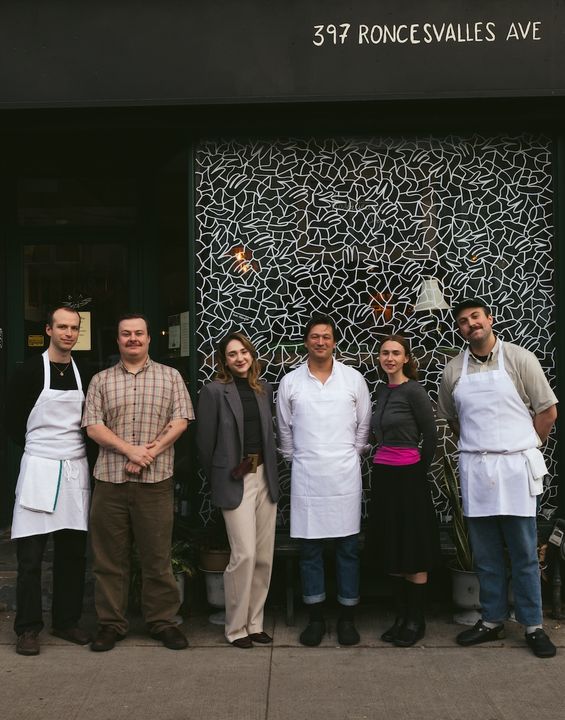
The same honesty applies to the entirety of their small team of six, from Mawgan and Luke in the front to baker Matt and Samuel in the kitchen. That kitchen is open and so compact that only two people work in it at a time, with Ganshonkov still on the line most days. Service follows professional standards, but nobody works from a script. “They have to bring their best actual self, not their best professional mask or costume,” says Ganshonkov.
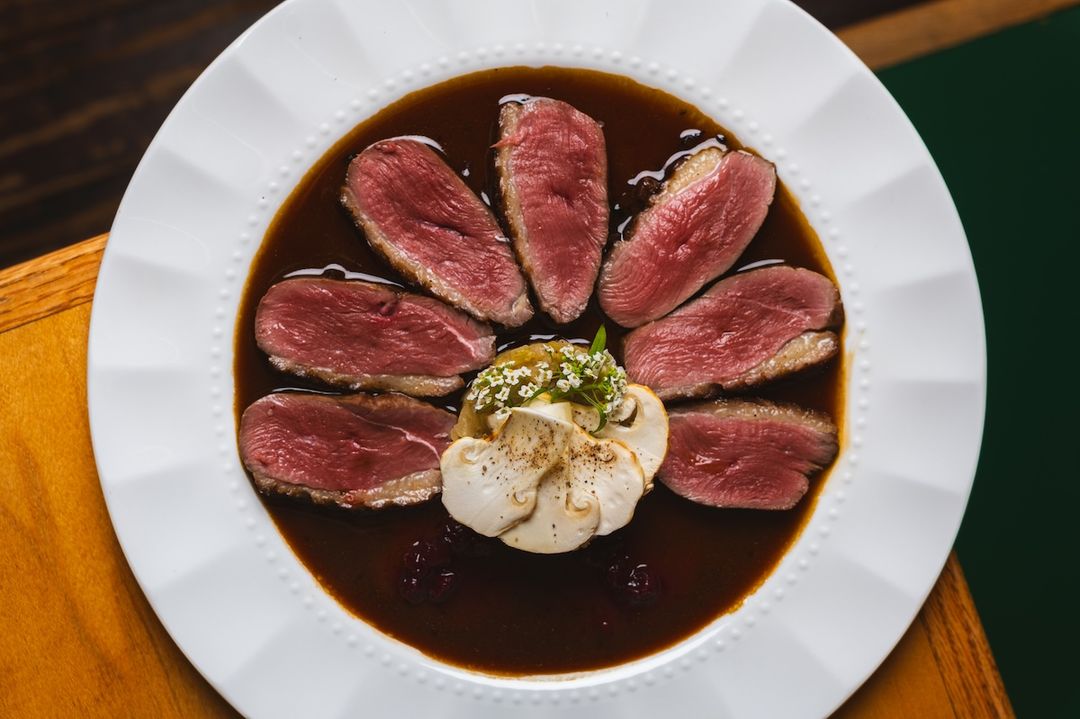
After a series of roadblocks, Restaurant Stop has reached something close to its final form, though it never stops evolving. Through it all, what amazes Ganshonkov most is that a restaurant going against the grain, and so truly a reflection of himself, can work in Toronto’s current landscape. “I appreciate the fact that this can exist in hospitality today, mainly because it shouldn’t,” he says. “There isn’t another one of me, so it cannot be like any other restaurant.” That hard work and authenticity come through on the plate, in food that is technical yet comforting. Ganshonkov points to an old saying: you have to cook for yourself first. “Through the hurdles and this whole journey, I find that happiness,” he says. “And that allows me to share it with other people.”
Written by Marie-Ève Godin
Photography by Scott Usheroff