Kavita: B.C.-grown Indian cuisine in Mount Pleasant
Restaurant Kavita
- $$$$
- Booking
-
250 West 3rd Avenue Vancouver V5Y 1G1
+1 604-200-6626 -
Monday: Closed
Tuesday: 4:45 PM – 10:00 PM
Wednesday: 4:45 PM – 10:00 PM
Thursday: 4:45 PM – 10:00 PM
Friday: 4:45 PM – 10:00 PM
Saturday: 4:45 PM – 10:00 PM
Sunday: Closed
-


- Restaurant

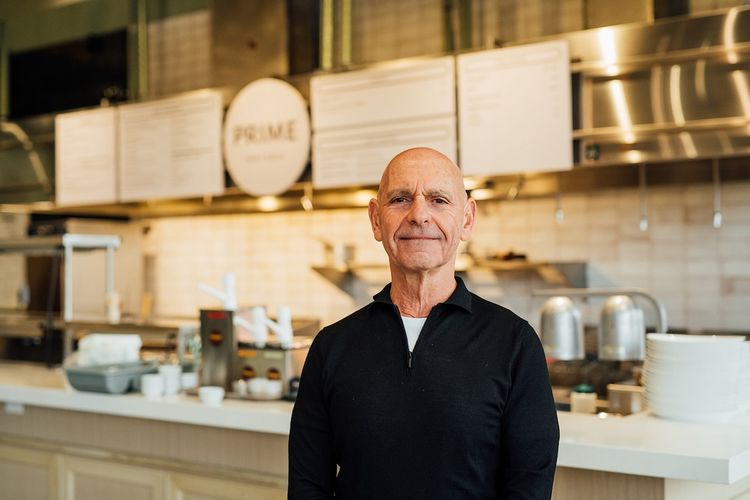
Tushar Tondvalkar spent most of his career cooking Pacific Northwest, French and Italian food in some of Vancouver’s best-known kitchens. It took a one-way ticket to Bangkok for the Mumbai-born chef to turn back toward the food he grew up with. Kavita, his first restaurant, in Mount Pleasant, is the result: an intimate room where regional Indian recipes meet the produce of British Columbia’s farmers, foragers, fishers and butchers.
A one-way ticket to Bangkok
The chef trained in a culinary program in India, cooked in the United States, then moved to Canada to study, graduating in Niagara before settling in Vancouver in 2013. Over the following years, he worked at Blue Water Cafe, Bauhaus, West Oak and The Fish House in Stanley Park, and grew attached to a city and province where the farms and foragers have so much to offer. Looking for international experience, he applied to some of the world’s top restaurants and landed a stage in Bangkok, at Gaggan and then at Gaa, the two-Michelin-starred restaurant of chef Garima Arora. He packed his bag, bought a one-way ticket and spent almost a year there, travelling across Thailand along the way.
Cooking in Bangkok alongside a renowned Indian chef made one thing clear: Indian cuisine holds so much history and depth that every region could fill a menu of its own. Back in Vancouver, he became executive chef of a friend’s new Indian restaurant, then founded the Indian Pantry, a catering and private dining company with a line of products sold in stores across B.C. and Alberta. For five years, he built the foundation for a restaurant of his own, until he found the right spot for Kavita in Mount Pleasant.
Where “amma” meets omakase
The restaurant was first meant to carry the Indian Pantry name. Kavita is his mother’s first name, and in Marathi, the word means poetry. Both meanings suit a kitchen that sets out to tell a story with every plate, whether about a culture back home or a farm in the Lower Mainland. “Kavita is very personal to me,” he says.
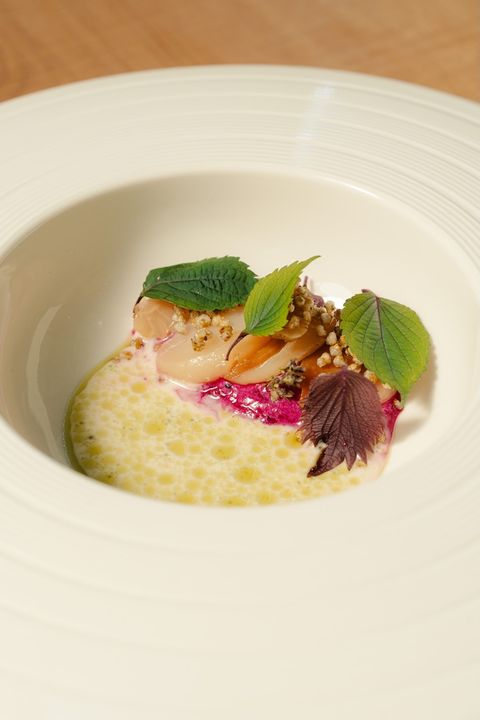
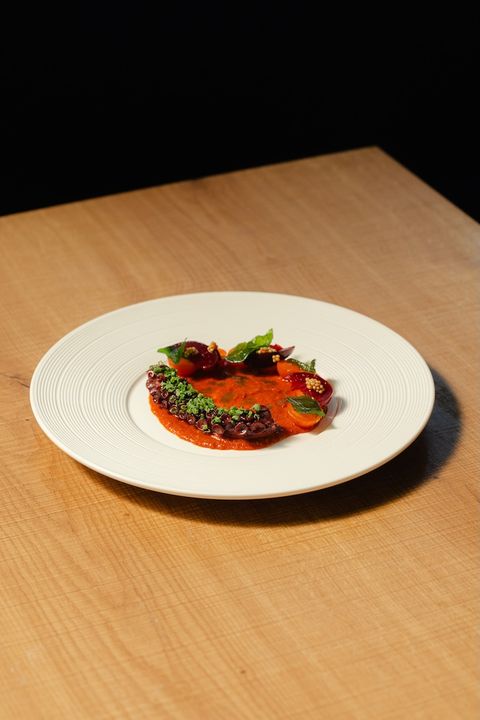
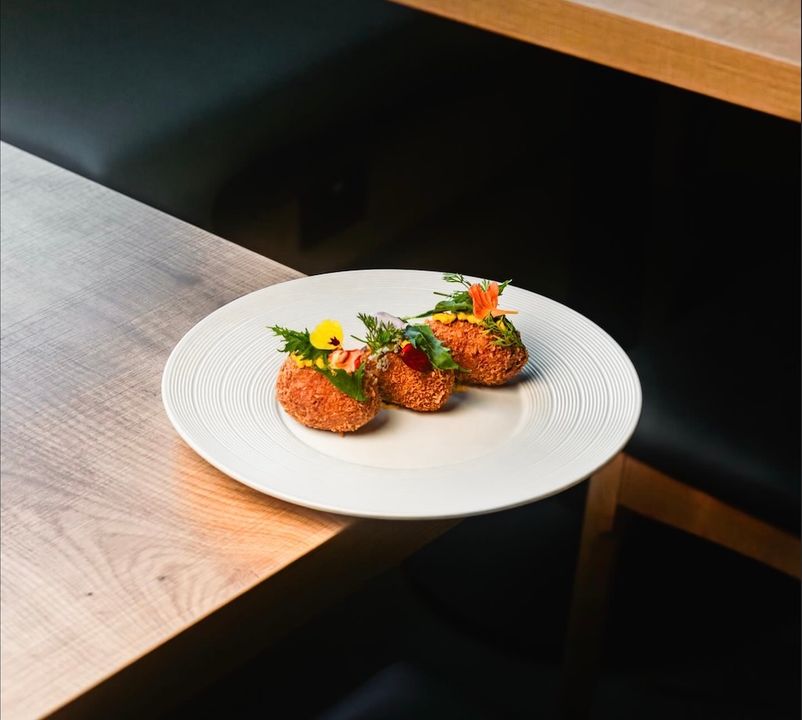
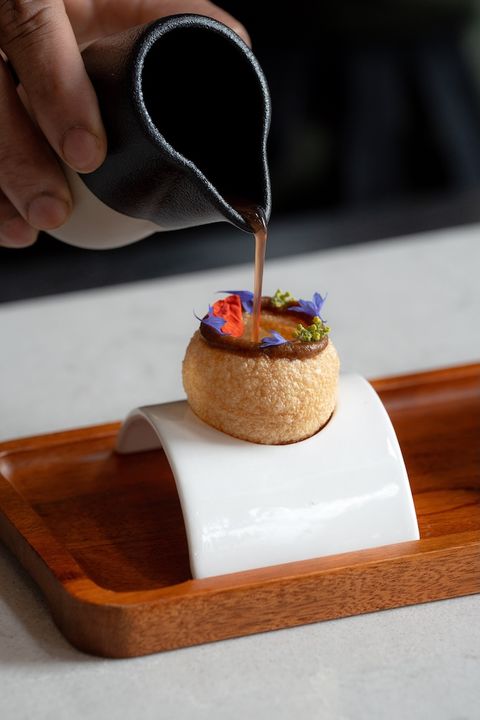
The family thread runs through the tasting menu too. The Ammakase borrows from the Japanese omakase, with “amma” meaning mother in several Indian languages. It unfolds over about a dozen courses at the chef’s table, where the cooks present each dish themselves, and every month brings an entirely new menu. The à la carte menu, a completely different offering, evolves every three months.
An open kitchen in the heart of the room
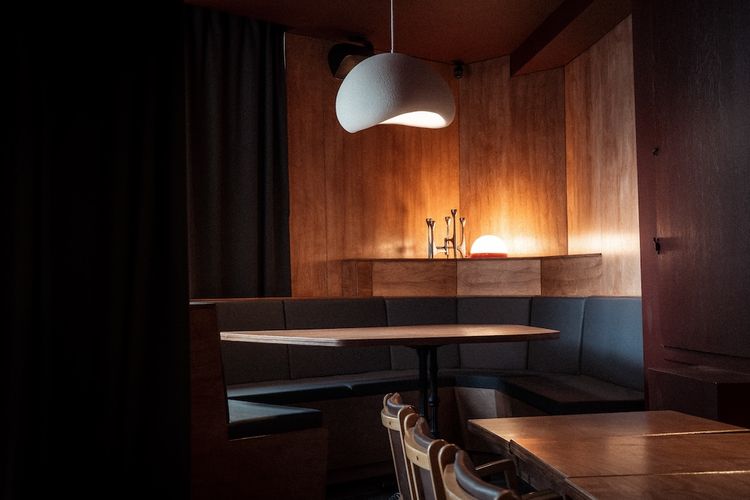
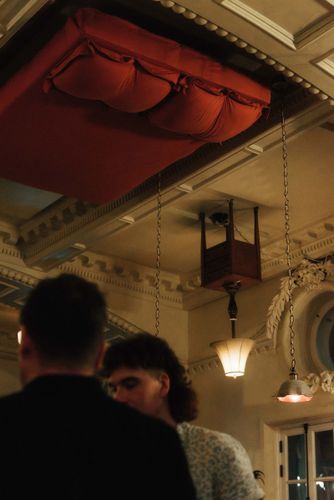
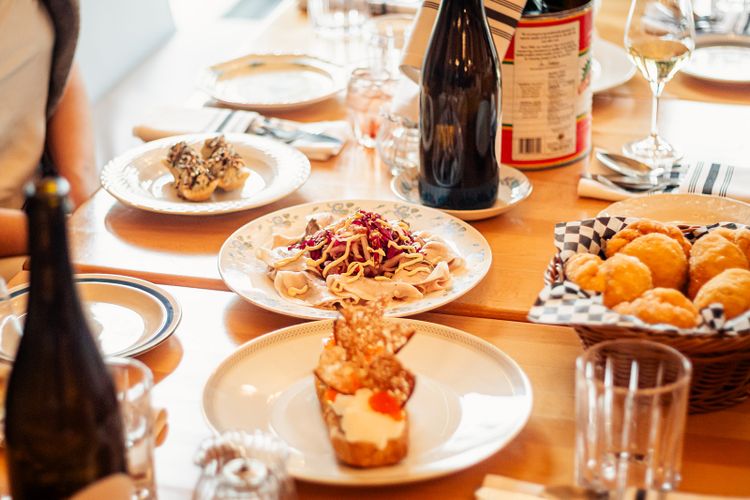
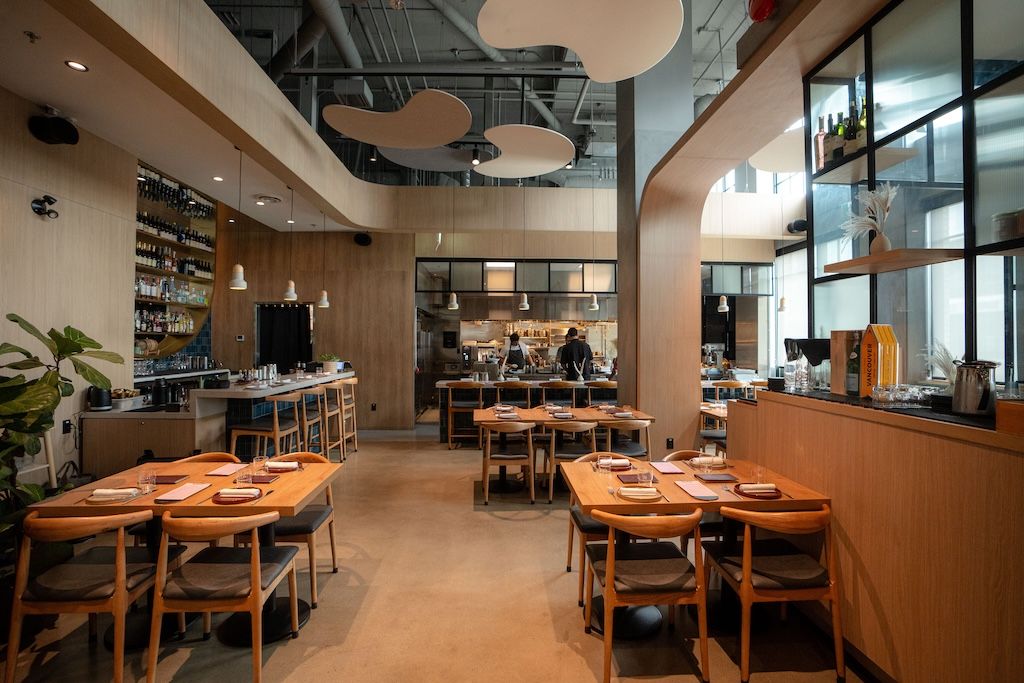
Designed by Janks Design Group, the room was meant to feel cozy, like being welcomed into someone’s home. Curved oak millwork and glass screens divide the kitchen, bar, dining room and entrance without solid walls. Turquoise tiles line the bar and turquoise accents dress the banquettes, set against a soft palette of wood and concrete, while wood and concrete pendants light the chef’s table.
About 95% of the restaurant is open, with only the dish area tucked out of view, and everyone can see everyone from every corner, by design. Guests can watch where their food is cooked and talk with the chefs, and from the chef’s table, the chef can see right away when a table needs attention. The front of house is led by general manager Yash Shah, whose work earned the restaurant the Michelin Guide’s Service Award. On top of that honour, Kavita holds a Bib Gourmand and was named Best Indian Restaurant at the Vancouver Magazine Restaurant Awards.
Nettles, morels and buffalo-milk paneer
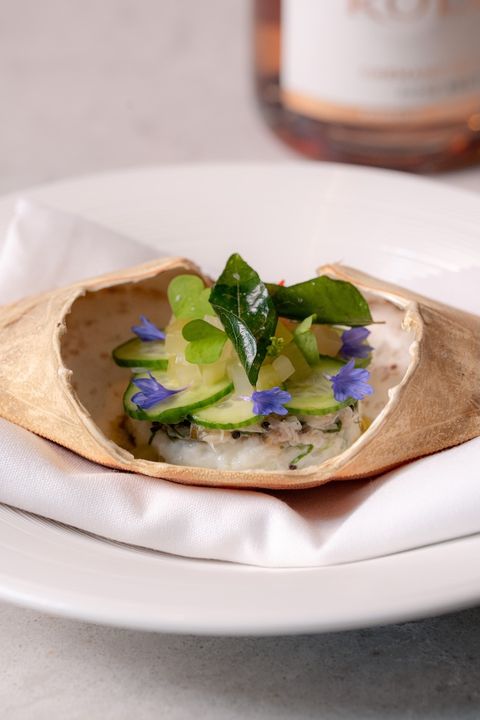
For the chef, contemporary Indian cuisine starts with an idea that comes naturally to him. “Farm to table is not a concept in our culture,” he says. “It’s just how we live.” Many of the foods foraged around Vancouver, such as morels, chanterelles, stinging nettles, wild roses and pine needles, also grow in northern India, at similar altitudes, and belong to its regional cooking. As a result, the kitchen can pair local ingredients with Indian flavours and stay true to the recipes, using modern techniques to serve flavours that feel nostalgic.
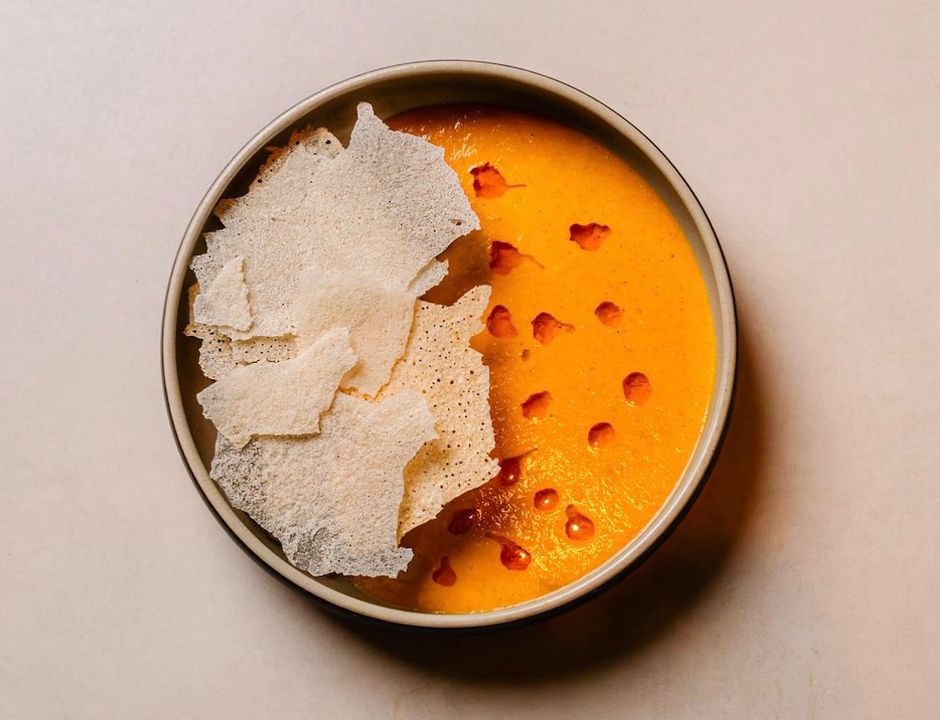
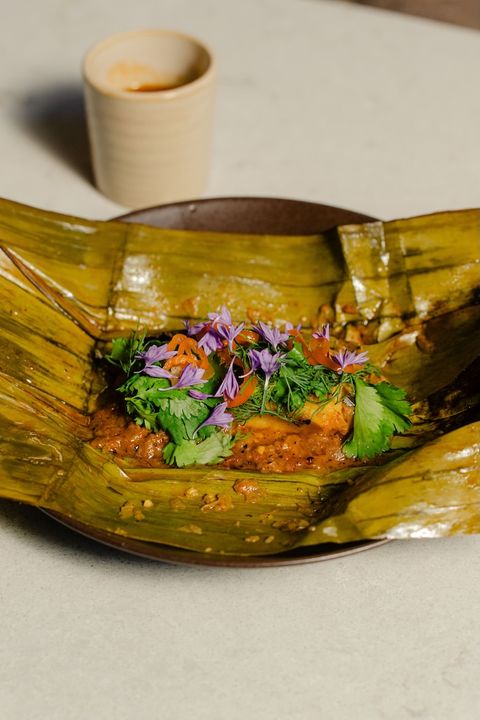
The saag paneer may be the dish that sums up the approach best. Every Friday, fresh buffalo milk arrives from a local farm, and the team turns it into the house paneer, which is gone within the week. The saag changes with the seasons and, at the time of our interview, was made with stinging nettles from Hannah Brook Farm, finished with a tadka of Himalayan mustard that one of the cooks brought back from his family’s farm in India. Some 90% of the ingredients on the plate are Canadian, and the dish remains entirely Indian, much like Kavita itself.
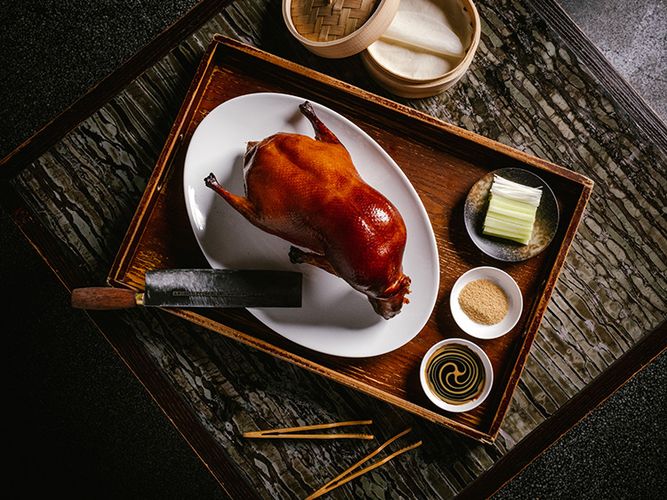
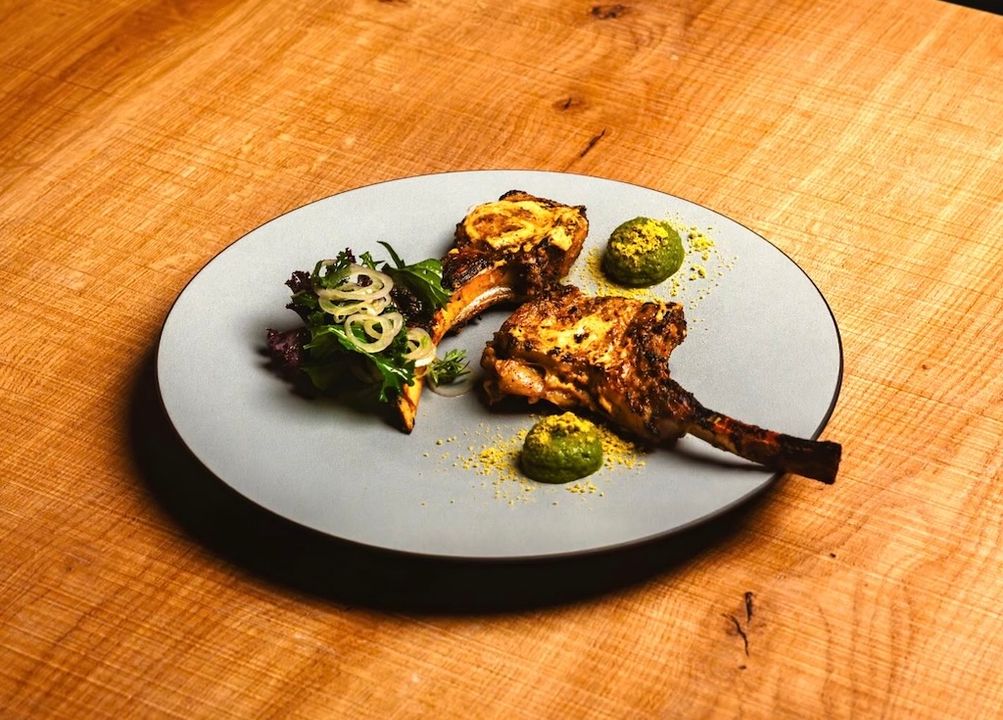
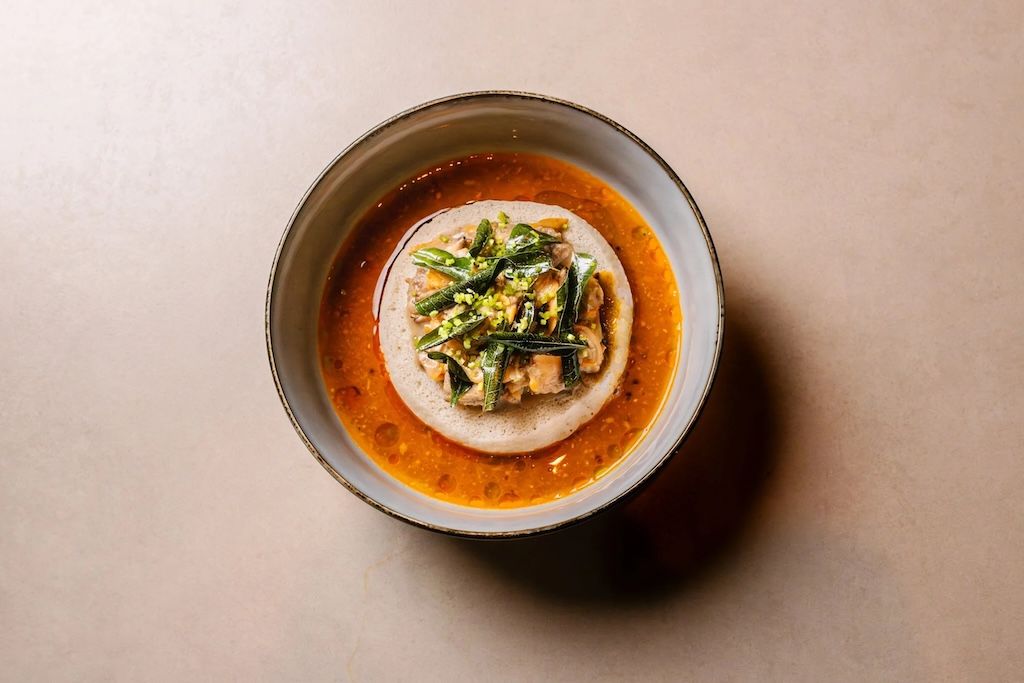
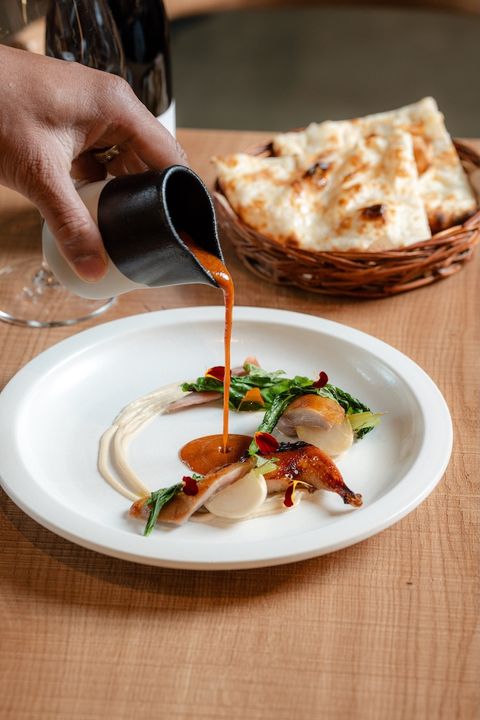
The Fraser Valley duck, dry-aged in-house for two weeks, is another of the chef’s favourites and a likely staple, served as a Kerala-style curry. The jumbo prawns come from Goa, sautéed in a recheado paste of red chili, coconut vinegar and jaggery that carries the region’s Portuguese heritage. But ask anyone who has been, and they will tell you not to forget the chili cheese garlic naan for the table. This simple dish layers garlic at every stage: stuffed with sharp cheddar and mozzarella, it is topped with black garlic paste and a chutney of garlic scapes from a local farm, cooked with mustard seeds.
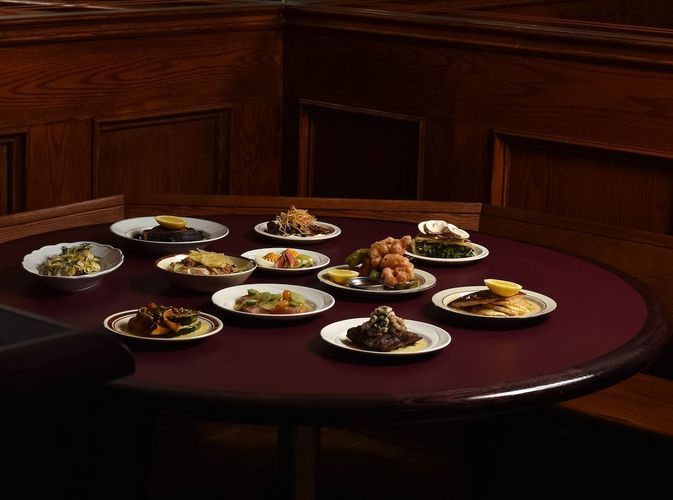
The menu at Kavita stays short, with about 15 dishes, and each one has its own sauce, made from scratch. Order three dishes and you will taste three distinct flavours, the way Indian food is meant to be eaten.
Eight cocktails, four corners of India
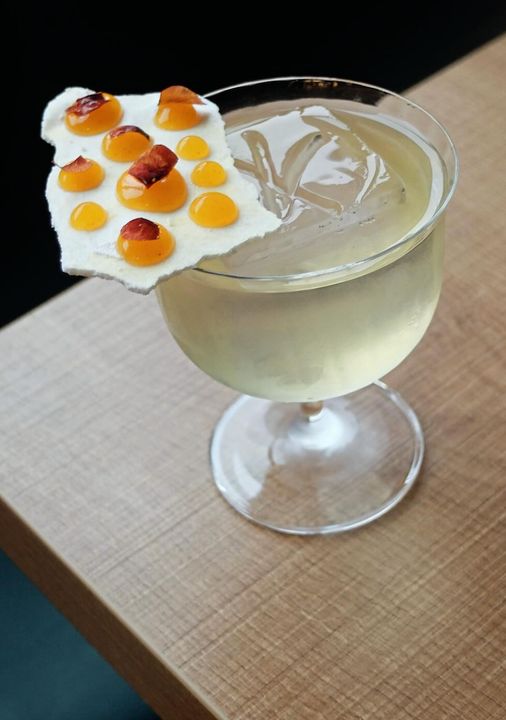
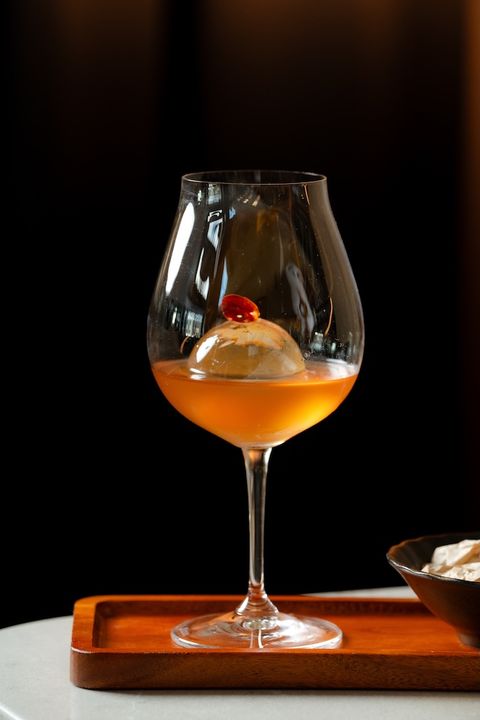
Bar manager Kabir Sehgal has divided the map of India into four regions (northeast, northwest, southeast and southwest), and the cocktail list draws two drinks from each. Some are inspired by the drinks of a region, others by its ingredients or by what is in season. Kavita’s wine list, short and always evolving, leans on Spanish and French bottles and especially volcanic wines, which stand up well to the natural heat of the spices.
Five cooks, many home kitchens
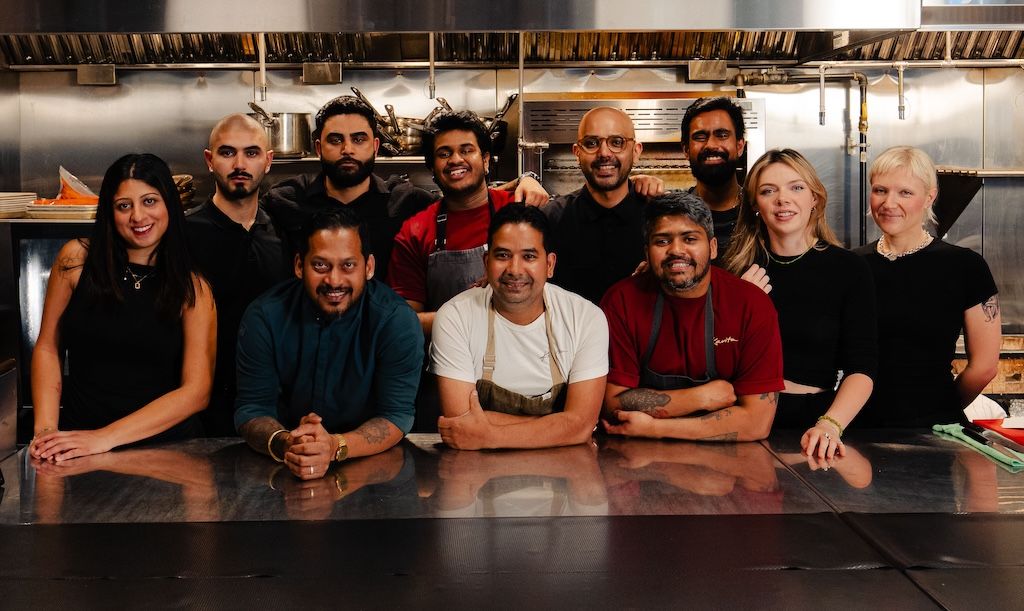
Growing up in Mumbai, a city where people from every part of India live side by side, the chef ate at his friends’ family tables and learned their regional dishes early on. That diversity now lives in his kitchen. The five cooks come from different regions of India and each brings home recipes to the table, so the tasting menu is created collectively, through conversations and recipe development that follow the seasons. Winter brings more spice-forward dishes, while summer calls for crudos, salads and fresher formats.
For a restaurant named after the Marathi word for poetry, the best way in is to let the kitchen tell its stories in order, course after course, at the chef’s table. Many guests leave thanking the team for showing what Indian food can be with quality products and careful technique, and the chef hopes newcomers will arrive to Kavita the same way, with an open mind.
Written by Marie-Françoise Malo
Photography by Sherman Chong