Zoomak: the spirit of the Korean jumak in Gastown
Zoomak Korean Tavern
- $$
- Booking
-
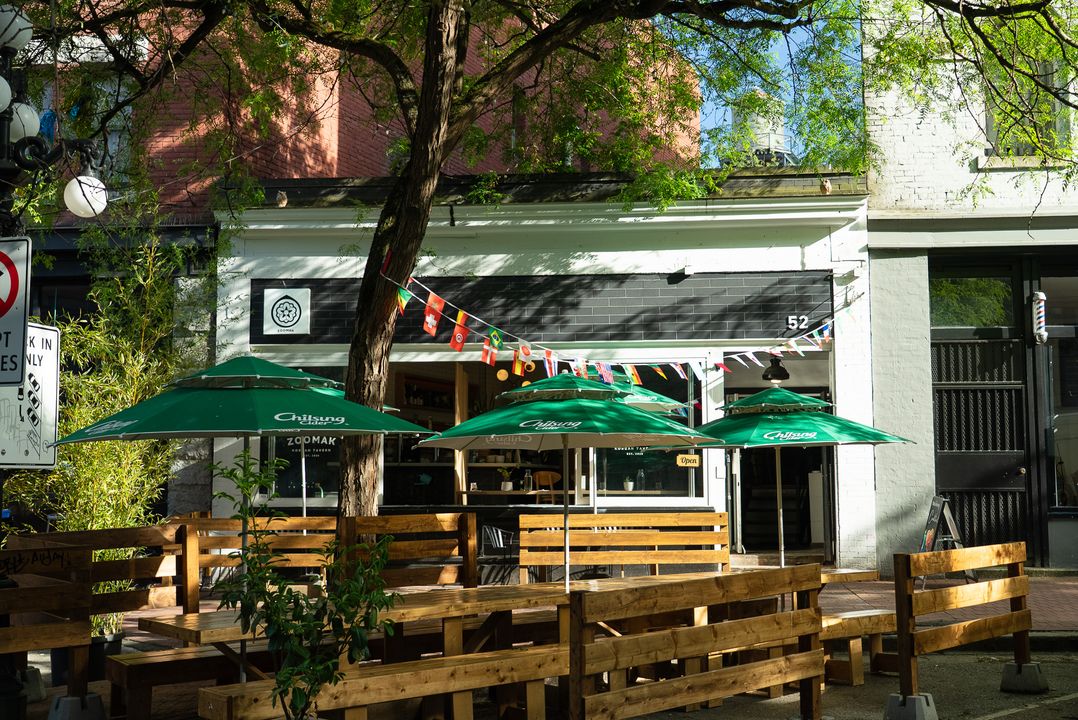
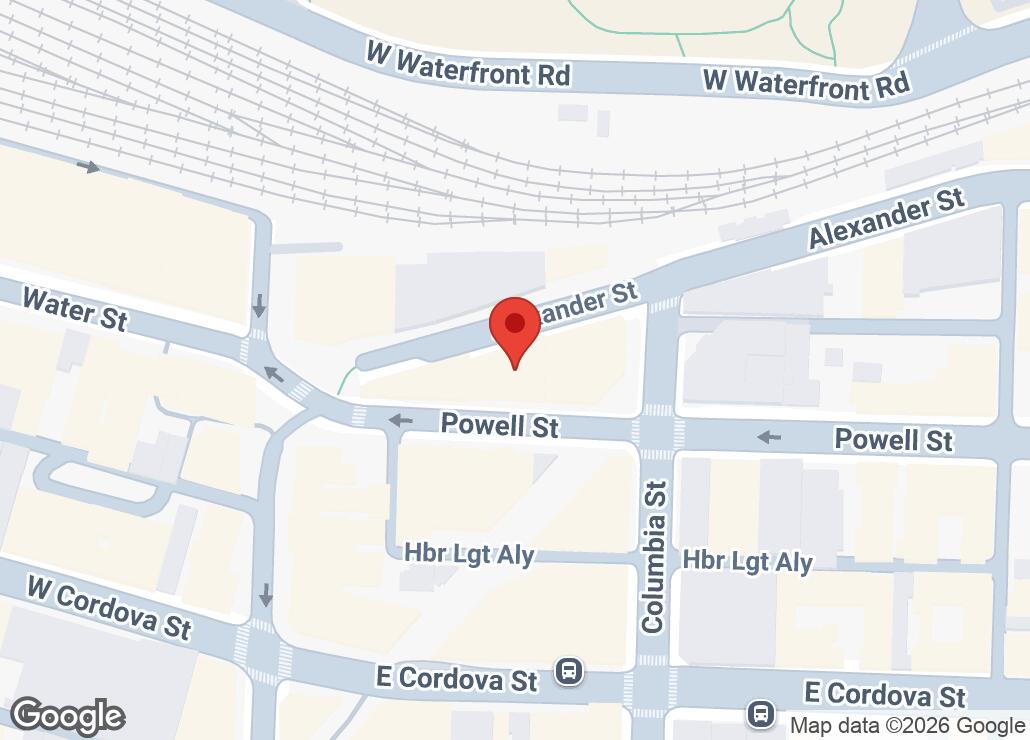
52 Alexander Street Vancouver V6A 1B4
+1 604-620-1240 -
Monday: 11:30 AM – 11:00 PM
Tuesday: 11:30 AM – 11:00 PM
Wednesday: 11:30 AM – 11:00 PM
Thursday: 11:30 AM – 11:00 PM
Friday: 11:30 AM – 12:00 AM
Saturday: 11:30 AM – 11:59 PM
Sunday: Closed
-


- Restaurant
In old Korea, travellers on the road could count on the jumak, a modest tavern where a hot meal, a drink and a room for the night waited at the end of a long day. On Alexander Street in Gastown, Vancouver‘s Zoomak borrows both its name and its spirit from these inns. The Korean tavern welcomes its guests with the same intention: feed them generously, pour them something good and send them home satisfied.
From North Vancouver to Alexander Street
Zoomak’s owner first opened a restaurant in North Vancouver, a Korean address devoted to authentic food. Over time, he noticed that his dining room was filling up with Vancouverites of every background, all of them drawn to Korean cuisine. That observation planted the seed for a second project, one that would keep Korean tradition at its core while bringing in Western techniques and giving drinks as much attention as the food.
The opportunity came when a friend’s restaurant on Alexander Street, run under a different name with a different cuisine, became available. The owner seized the chance to reinvent the space as Zoomak, and in time handed over his North Vancouver address to pour all his energy into the new Gastown tavern.
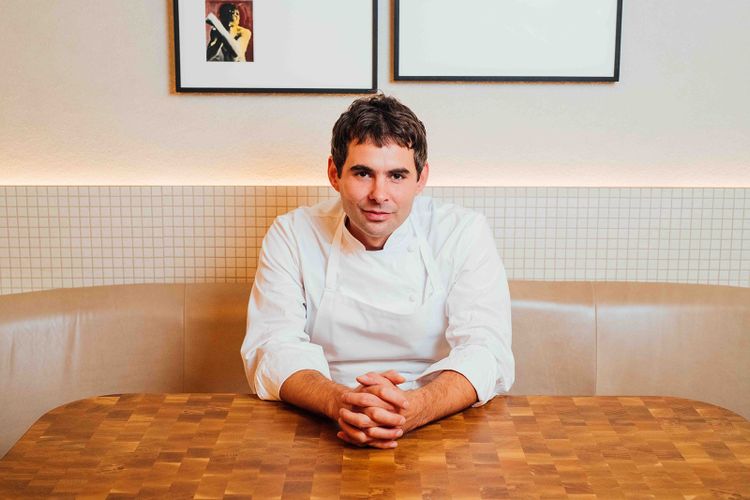
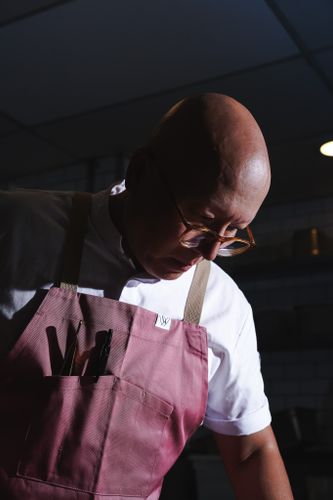
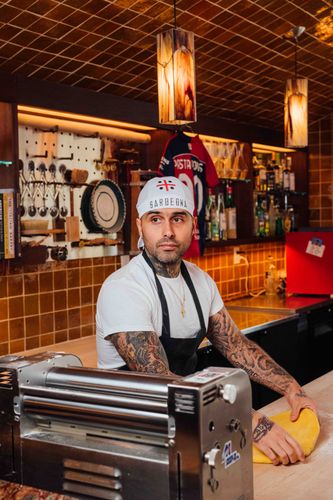
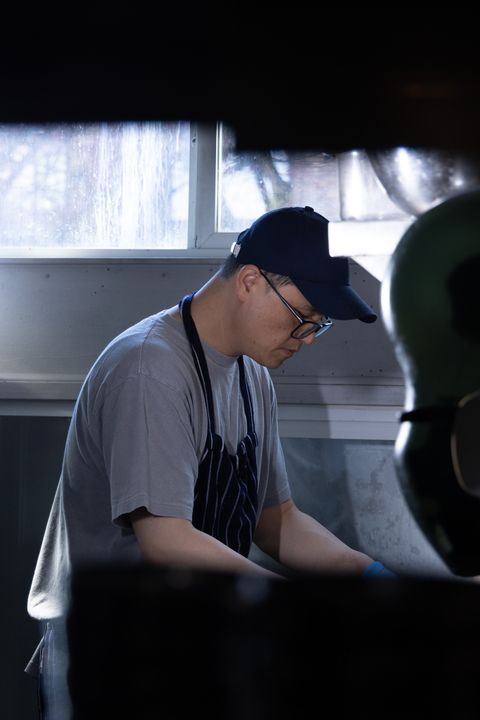
Bobby Shin’s path to Korean cooking ran through many kitchens. He studied Korean royal cuisine in college, then broadened his technique in hotels and in French, Italian and Chinese restaurants, a wide-ranging experience he now brings to every Korean dish on his menu. What he knows of Korean food comes from that training, from his roots in Korea and from a resolution he made as a teenager to become a chef and cook it his own way. The approach has found its audience: Zoomak has been a fixture of Vancouver Magazine’s Restaurant Awards in the Korean category, taking gold in most recent editions and silver in another.
Big tables, big portions
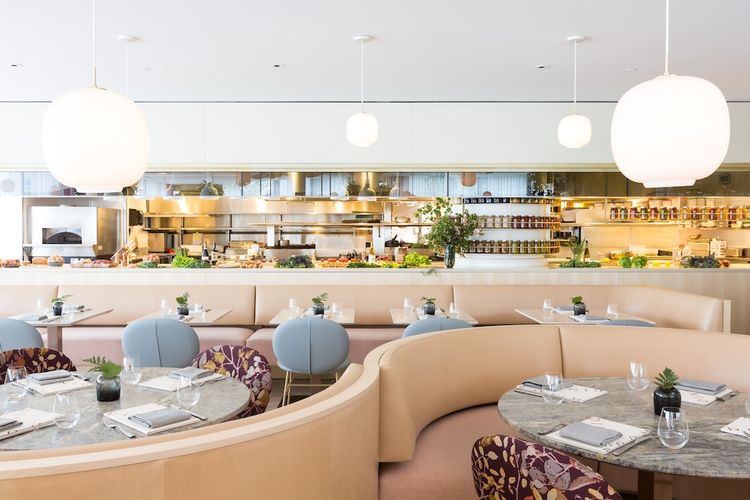
The traditional jumak served food and drink side by side, and that balance is exactly what the owner had in mind for his restaurant. Where many Korean tables keep the focus on the food alone, Zoomak gives its bar a central role, and the tavern inspiration carries through to the decor.
People come to Zoomak to hang out as much as to eat. Guests chat across tables, and as the cocktails and shared plates keep coming, the whole room settles into the easy energy of a night out among friends. Celebrations for 15 or 20 people are common, as are girls’ nights and family dinners.
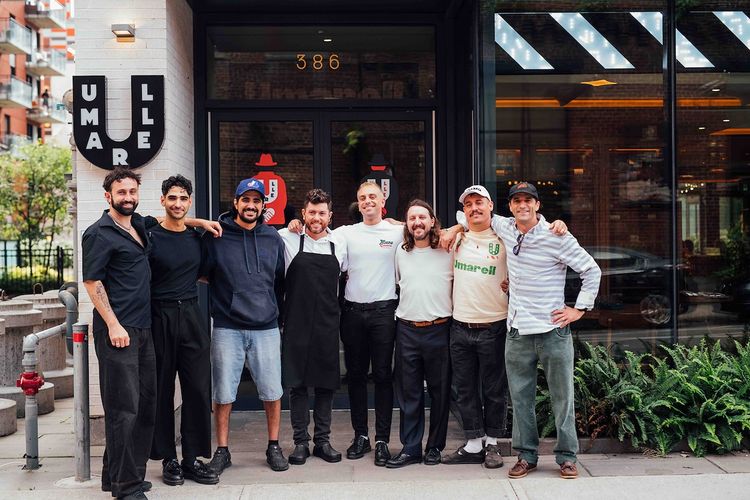
That warmth starts with the staff. Many have worked alongside the owner for years, and he speaks of them as family. The team, led by general manager Changju Kang, keeps the room running at the relaxed, convivial pace the tavern concept calls for.
Midday calm, evening buzz
Lunch and dinner at Zoomak have distinct personalities. At midday, the room is bright and calm, and the menu leans toward a traditional, complete Korean meal, often shared with family. Come evening, the lights dim, the cocktails start flowing and the atmosphere turns festive. Lunch regulars say that returning for dinner feels like discovering another restaurant, “as if the place just changed its clothes,” in the team’s words.
Bossam with a crackling skin
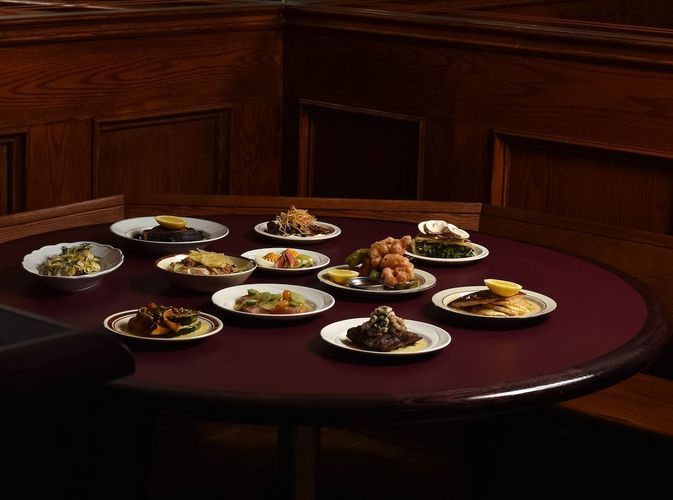
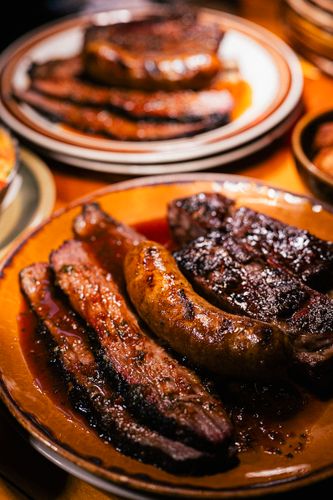
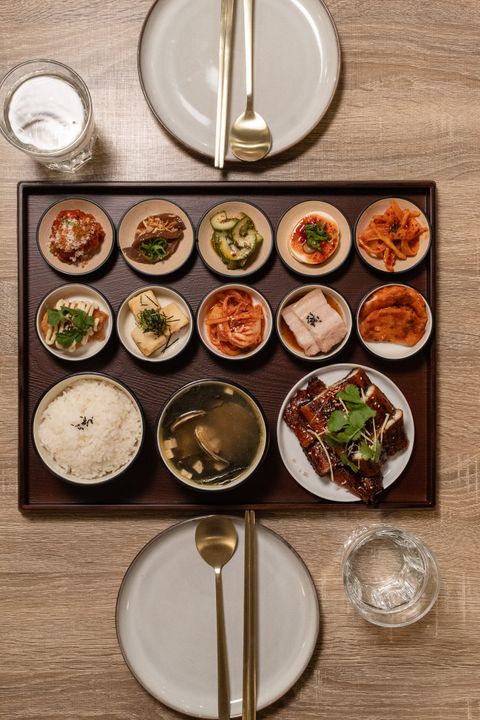
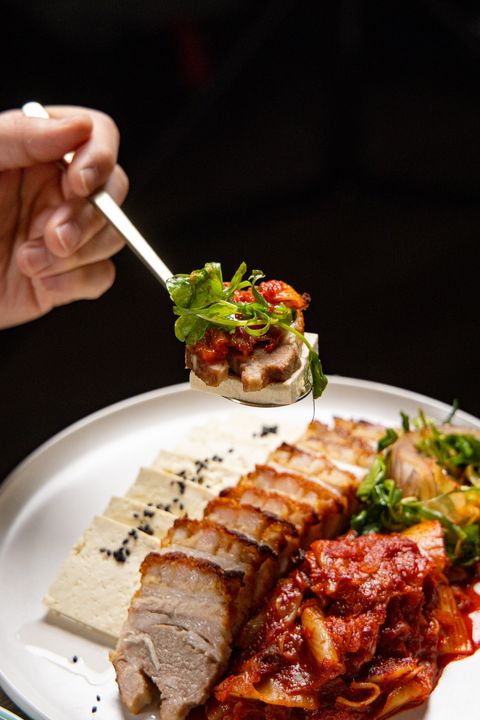
The dish guests reach for most at Zoomak is the bossam. Traditionally, bossam is boiled pork, sliced and eaten with kimchi and lettuce. Here, the pork belly is brined for 24 hours, pressed, scored and slowly rendered, then finished with hot oil in the Chinese style so the skin puffs up and turns crackling. It arrives with traditional kimchi, a single plate that gathers techniques from several culinary traditions while staying firmly Korean in spirit. That freedom sums up the kitchen’s philosophy: when another country’s method serves a traditional dish better, the kitchen adopts it.
The dish the owner hopes more people will discover is the makgeolli jogae jjim. Fresh local Manila clams are steamed in the manner of the French classic, but the white wine, cream and butter give way to makgeolli, the milky Korean rice wine. The makgeolli lends the broth a natural creaminess, and its gentle alcohol balances the clams’ briny sweetness. The result is lighter than its French cousin while keeping all of the umami.
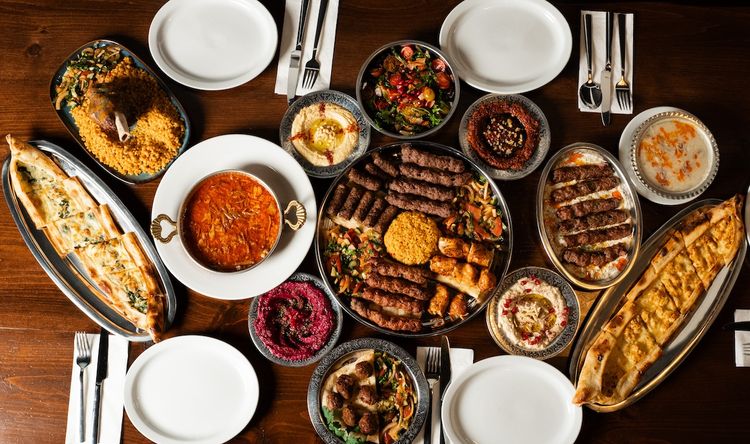
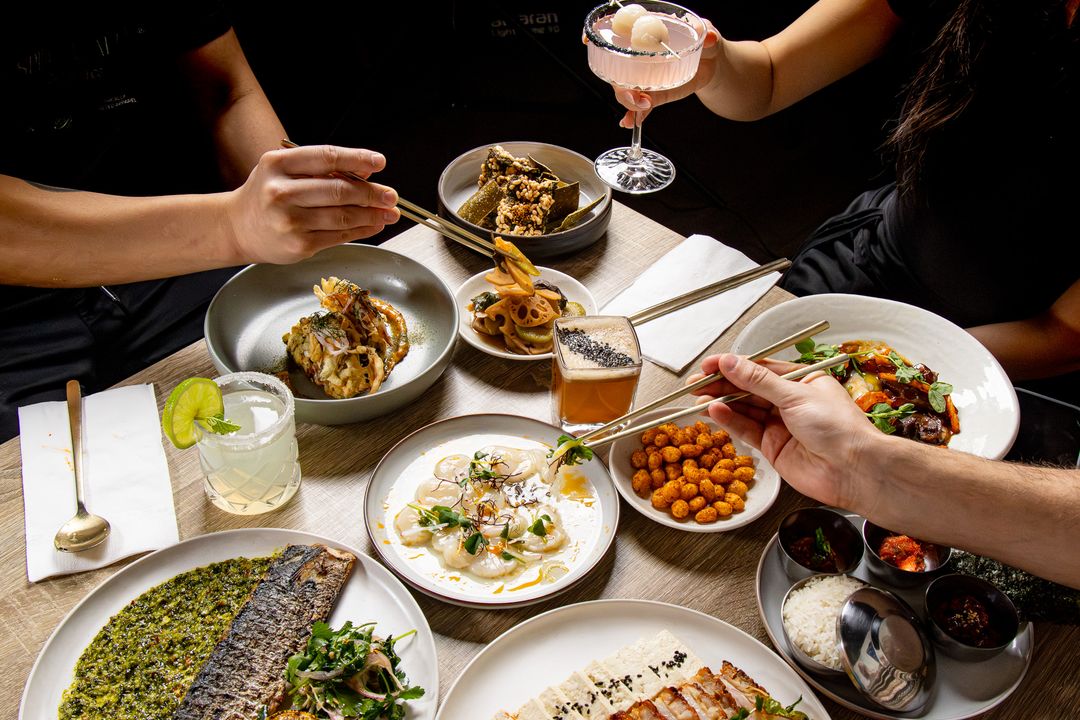
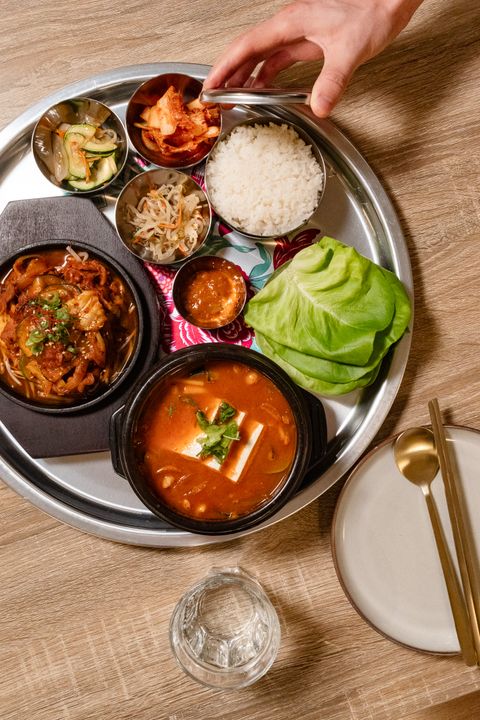
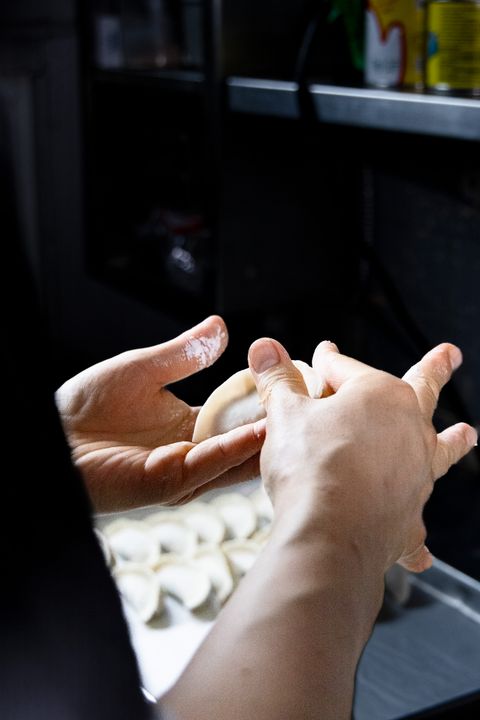
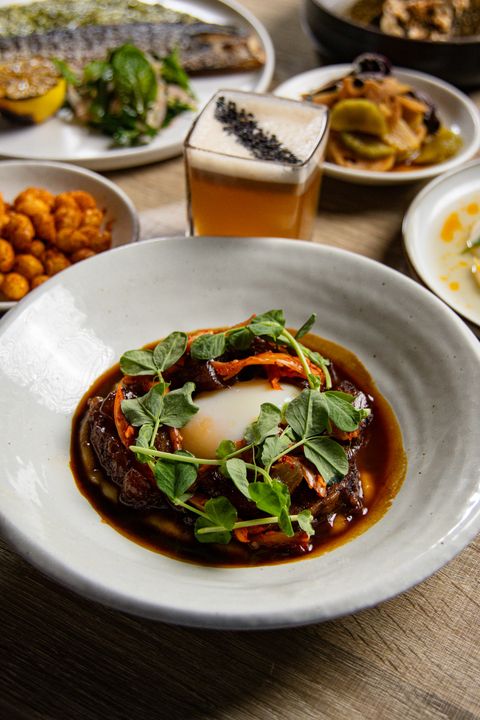
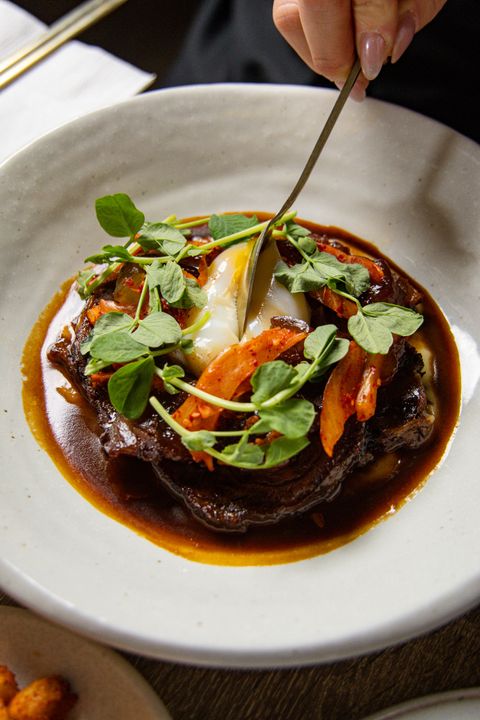
Around these two dishes, Zoomak’s dinner menu spans Korean fried chicken, galbi short rib lettuce wraps, a spicy seafood stew, japchae, Korean dumplings, abalone kooksoo and scallop hoe. Portions are generous, in the Korean tradition: the goal is for every guest to leave full, with no room for one more bite. Sharing everything family style is the best way to taste as much of the menu as possible.
Soju at the heart of the bar
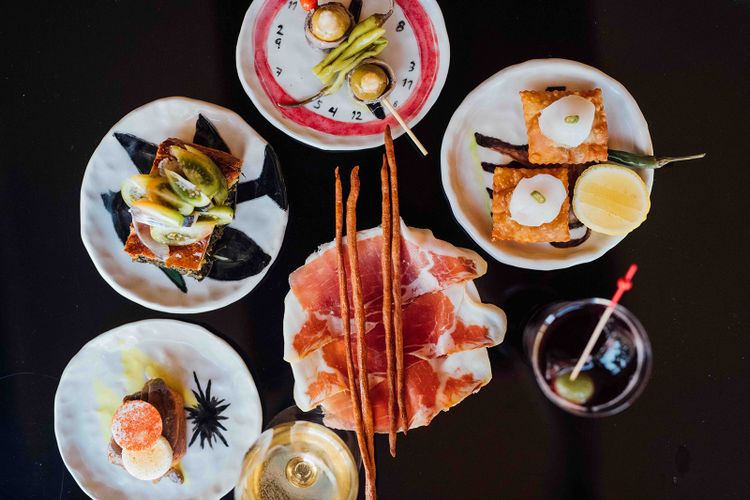
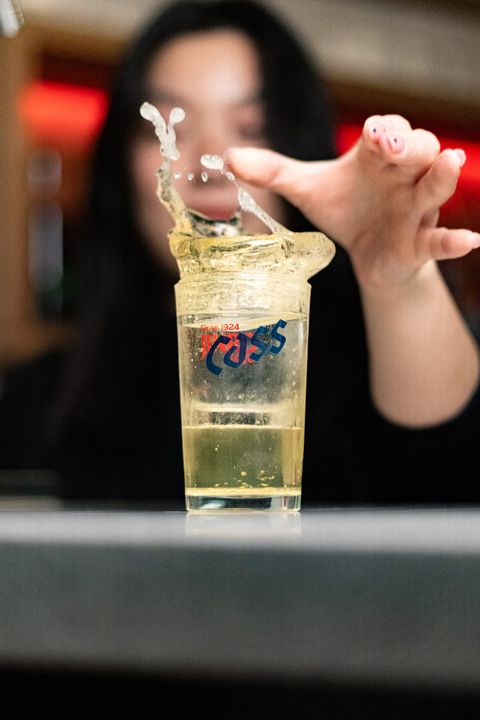
The cocktail list draws heavily on Korean flavours. Most drinks use soju as their base spirit, with tequila, gin and vodka also making appearances, and Korean ingredients layered on top. One example uses a sesame essence so subtle it barely registers on the first sip, then reveals its creamy, toasty aroma as the glass empties. Beers, wines and traditional Korean drinks complete the offer, all chosen to keep the table company through a long evening of shared plates.
Ask the owner what sets Zoomak apart, and he names two things: a devoted team and food and drink shaped by years spent in very different kitchens. Together, they make Zoomak the kind of place where an ordinary night out stretches late, much like the taverns that gave it its name.
Written by Marie-Françoise Malo
Photography by Jinju So