Thé Jinjin: Bringing Chinese Tea Culture to Montréal
Thé Jinjin
- $
-
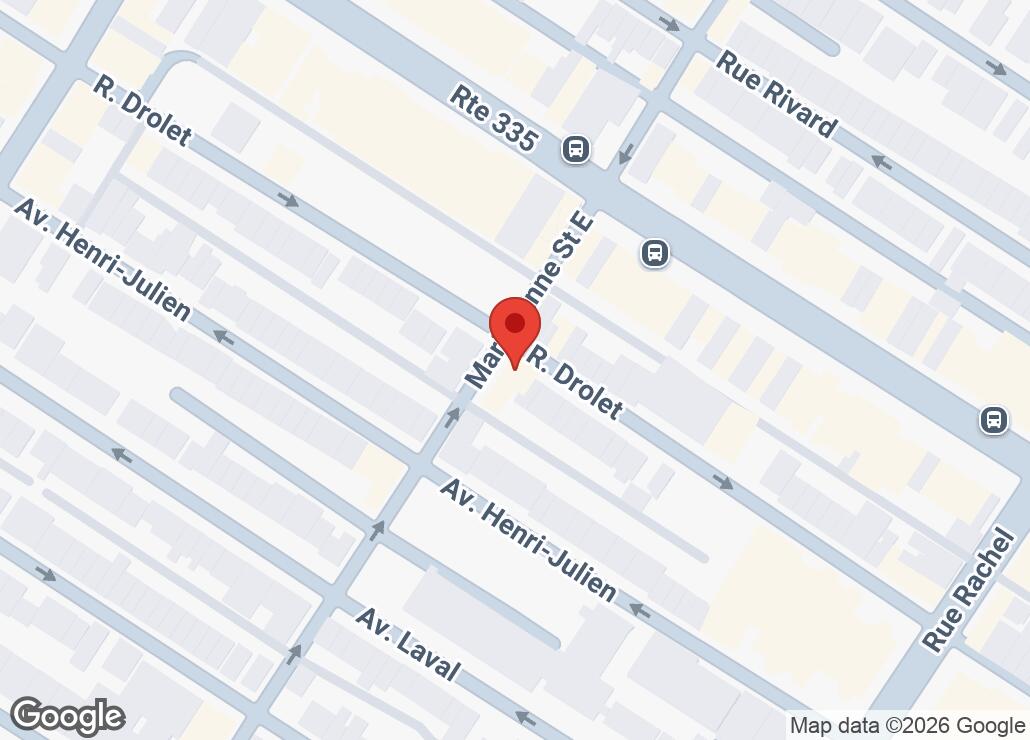
330 Rue Marie-Anne Montréal H2W 1B1
-
Monday: Closed
Tuesday: Closed
Wednesday: Closed
Thursday: 10:00 AM – 4:00 PM
Friday: 10:00 AM – 4:00 PM
Saturday: 10:00 AM – 4:00 PM
Sunday: 10:00 AM – 4:00 PM
-


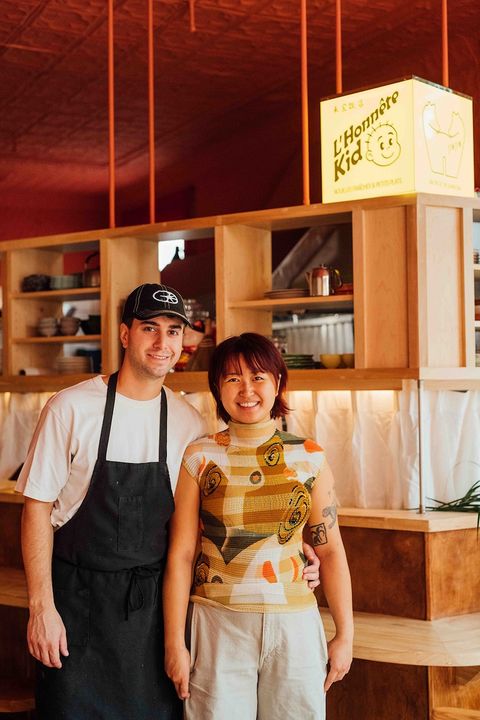
For years, from one pop-up to the next, Wen Zhang, has been stringing a thread between Chinese tea culture and that of North American cafés. Her project, Thé Jinjin, finally has a space of its own, in the Plateau-Mont-Royal, and you understand the moment you walk in that none of it was improvised: this is the outcome of a long build.
The Tea Road, All the Way to Montréal
Before Thé Jinjin, Wen studied food science at university, then veered toward dining rooms rather than a lab. The idea for the tea house came out of a simple observation. “The market is either you drink grocery store tea, or you have to know a lot about it,” she says. “I wanted to create an in-between, so tea would be more accessible.” The name comes from her friend Jinjin, who drew the two-horse logo, a nod to the ancient tea horse road and to the very animals that carried the leaves. In Chinese, 津津 describes the movement of water as much as an interest so keen it makes you salivate.
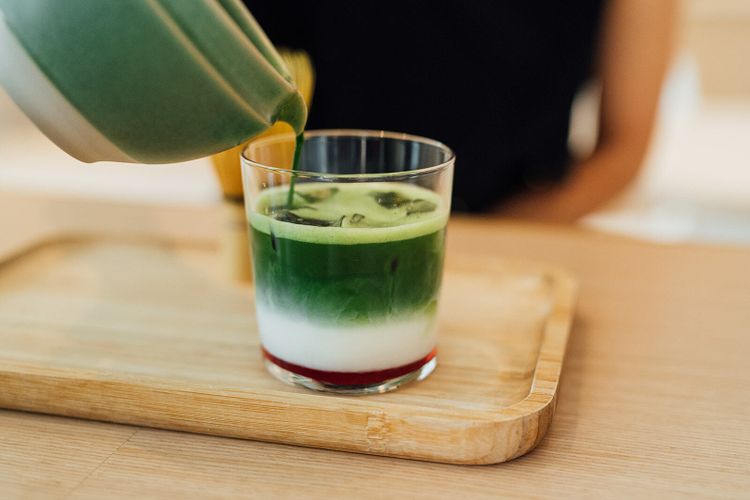
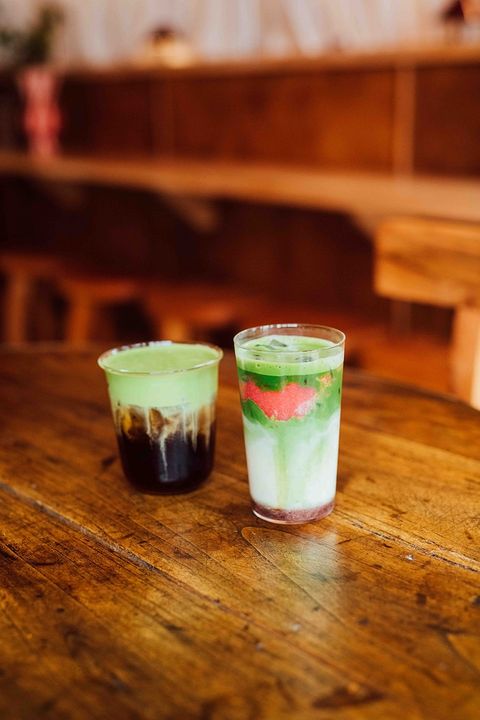
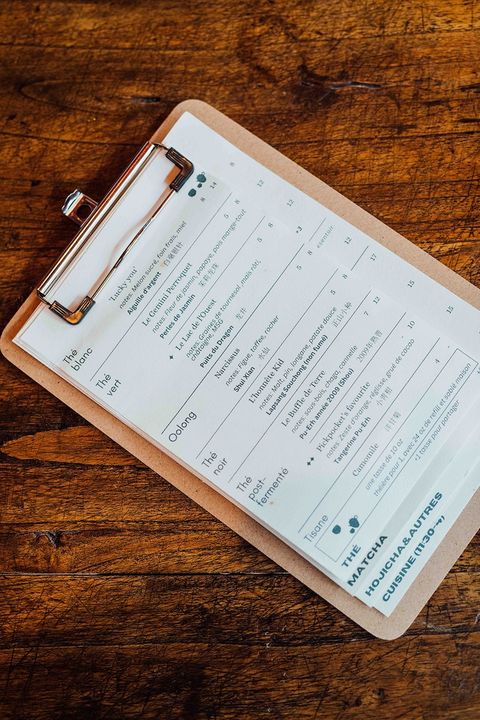
The menu holds up that promise. You land halfway between the matcha trend of the moment, which serves as something of a way in, and Chinese tradition, which covers the rest of the distance.
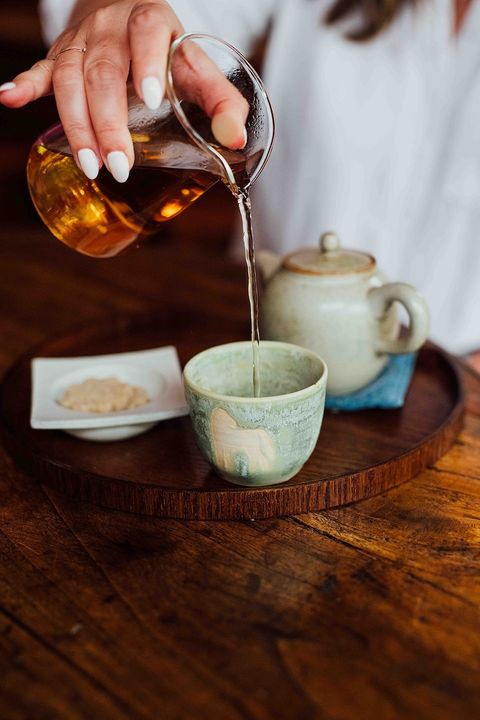
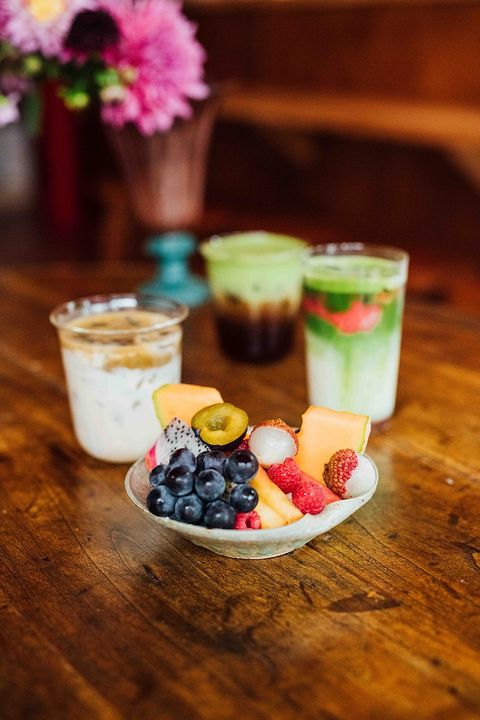
The tea is imported from China, the matcha comes from Japan, and it is one of the best matchas you can get in the city. The crowd favourite is the strawberry and earl grey matcha. Ours is the summer honey matcha with pu-erh. That last ingredient is a fermented, aged tea whose earthy, woody notes complement the green sharpness of the matcha, and the pinch of salt added at the finish makes the ideal bridge between the two. “I don’t want tea to be intimidating,” Wen explains. “Before, maybe you didn’t know what pu-erh was, and now I’m putting it in your glass.”
L’Honnête Kid in the Kitchen
The food is signed by Elliot Latendresse, Wen’s partner, alias L’honnête Kid. The nickname comes from Wen’s father: his English is rough, and for the whole of Elliot’s stay at her parents’ place, he split the world between the bad guys and that honest kid. Elliot francized half of it to fit Montréal.
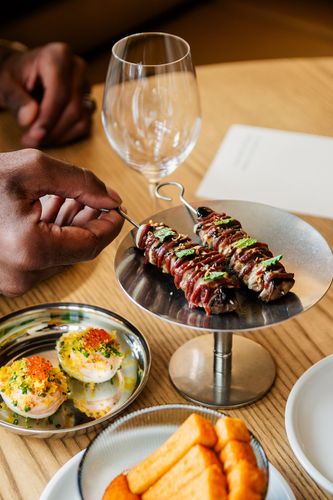
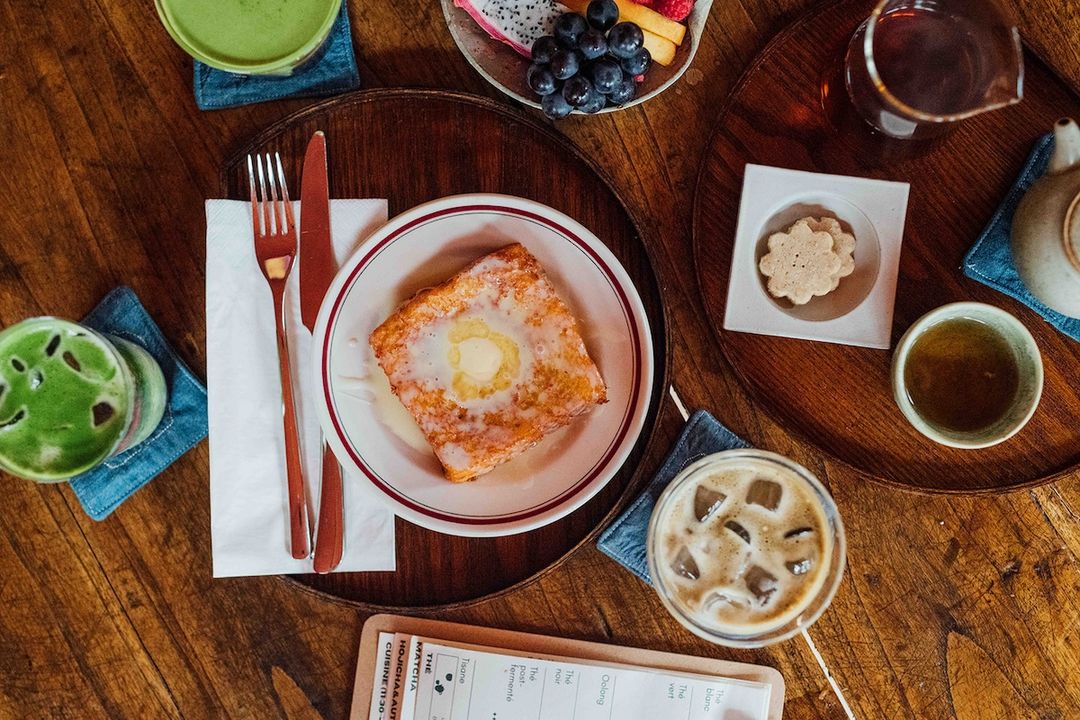
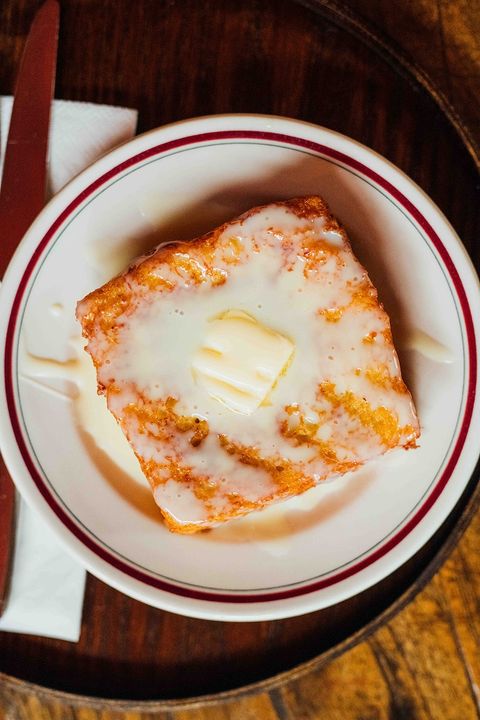
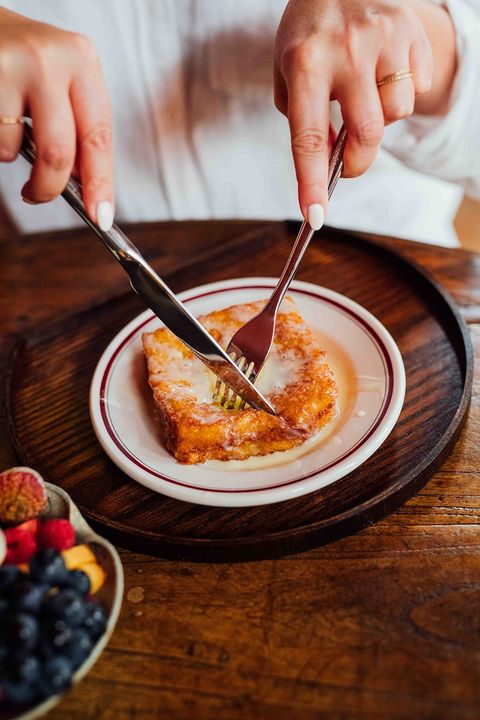
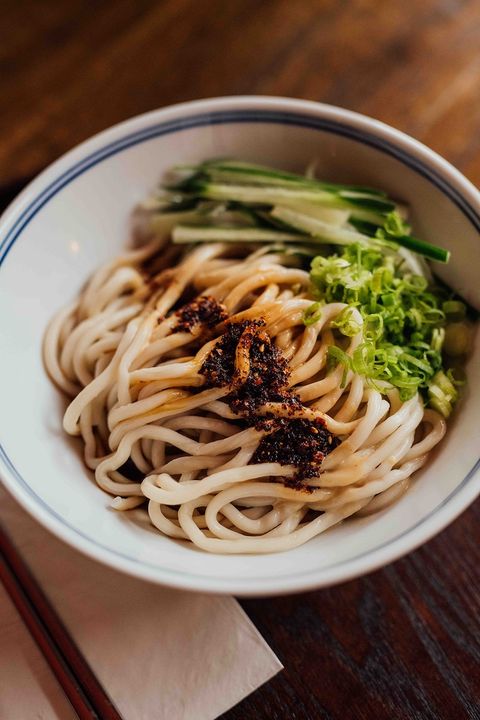
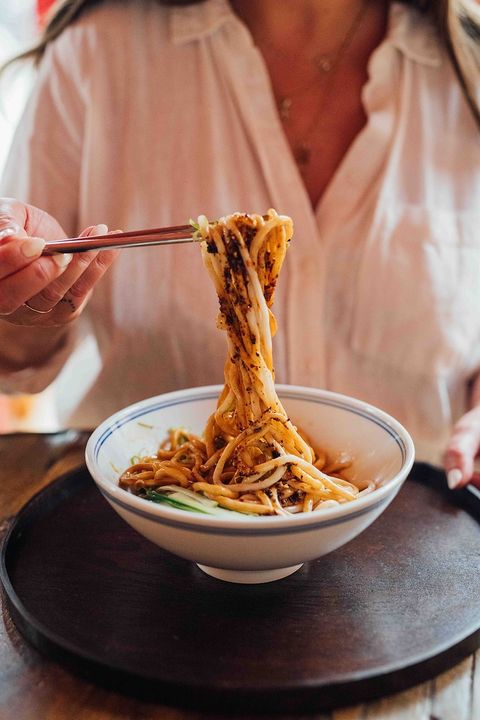
His cooking borrows from the classics of Hong Kong tea houses, those dishes westernized a first time in Hong Kong rather than here. The condensed milk French toast, stuffed with peanut butter and topped with a forthright slab of butter, sums up the exercise: traditional in its reference, cheeky in its execution.
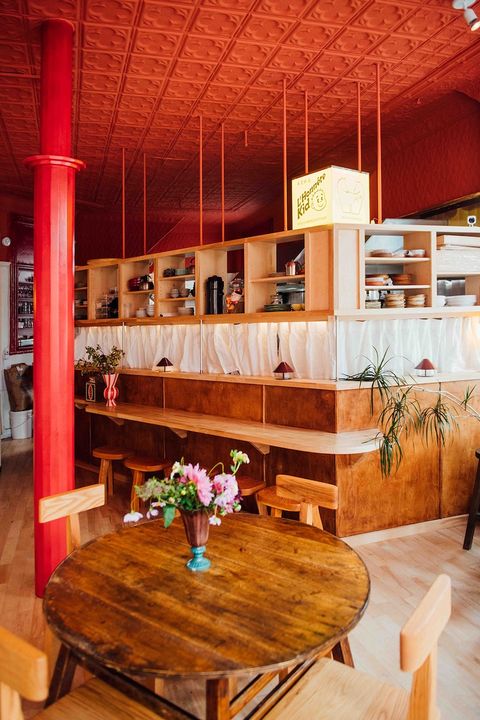
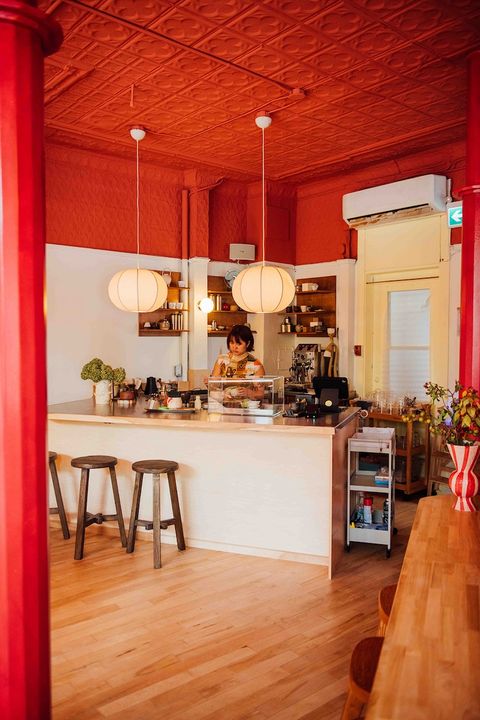
Everything in the Thé Jinjin room was designed by the couple, from the choice of furniture down to the coasters made by Wen’s uncle. Nothing here is decorative in the lazy sense of the word. The address will eventually extend its hours for evening service, with a broader savoury menu still put together by Elliot and a wine list.
For now, the wave of attention is such that a line forms at the corner of Marie-Anne and Drolet from Thursday to Sunday. The duo has had to adjust to a popularity that arrived all at once, and they are set on rising to the challenge. “I feel like I’m creating a third place,” Wen says. “Some people eat, others write in their journal, others work on their laptop. It’s a free space for everyone.” The day the dust settles, the third place idea will firm up: somewhere you take your time, where you enjoy a hot cup and a good book without anyone rushing you.
Written by Jean-Philippe Tastet
Photography by Alison Slattery