Sang-Ji Bao Frit: Shanghai’s Fried Bao Finally in Montreal
Sang-Ji Bao Frit
- $$
-
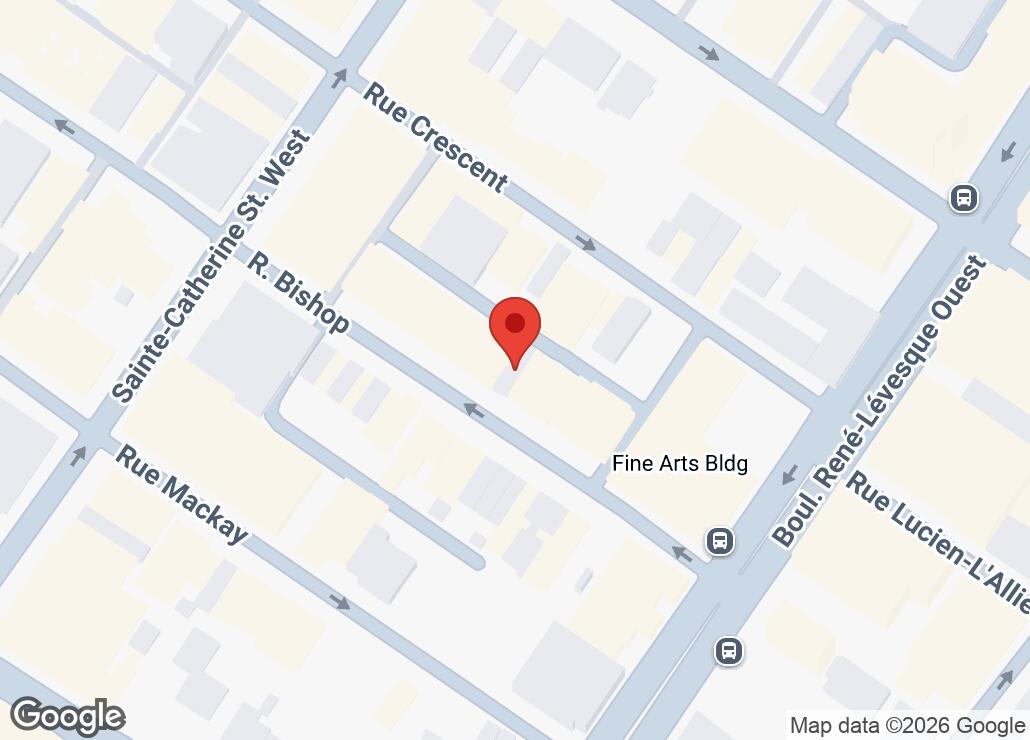
1211 Rue Bishop Montréal H3G 2A9
+1 263-381-1098 -
Monday: Closed
Tuesday: 11:30 AM – 9:00 PM
Wednesday: 11:30 AM – 9:00 PM
Thursday: 11:30 AM – 9:00 PM
Friday: 11:30 AM – 9:00 PM
Saturday: 11:30 AM – 9:00 PM
Sunday: 11:30 AM – 9:00 PM
-


- Restaurant
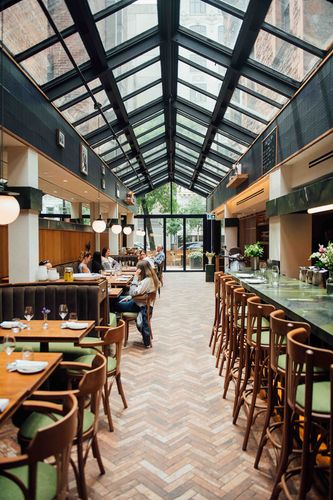
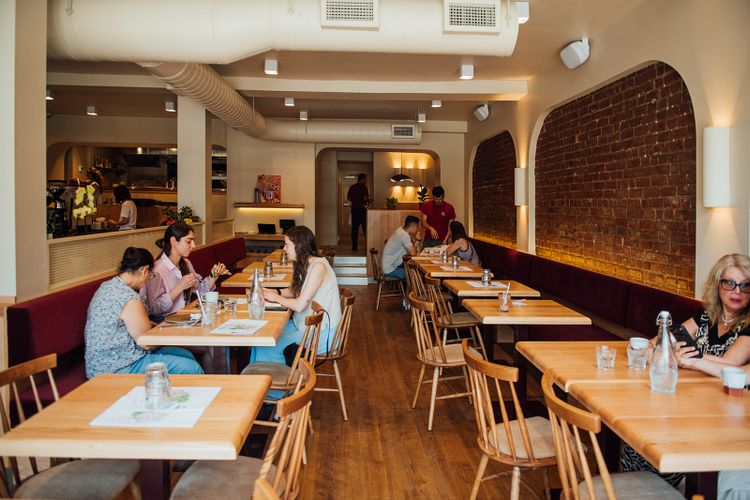
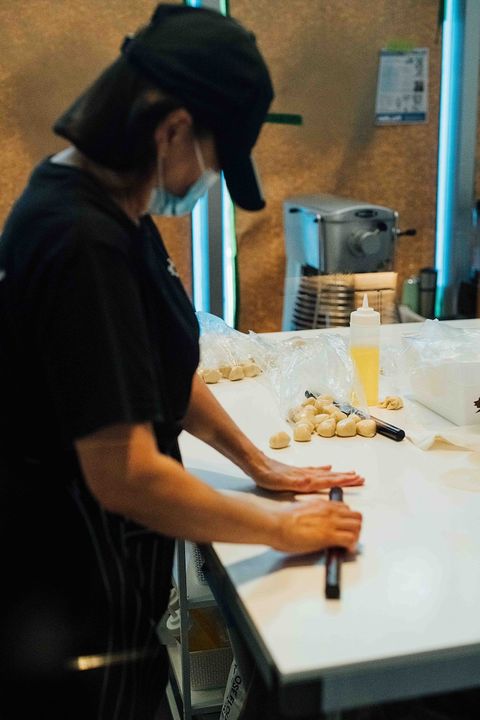
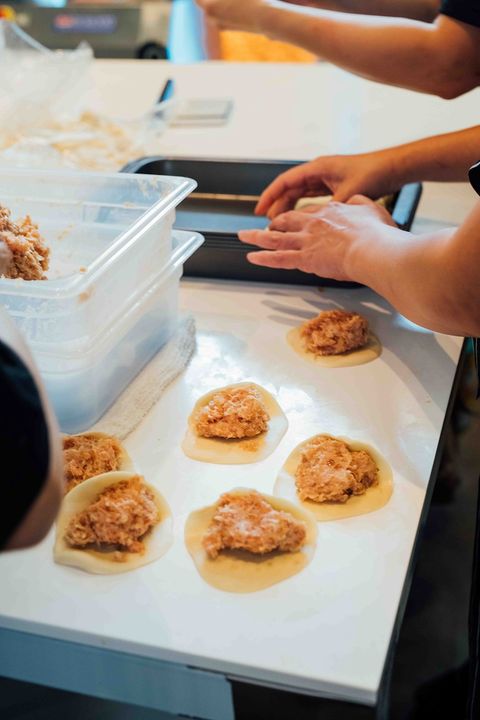
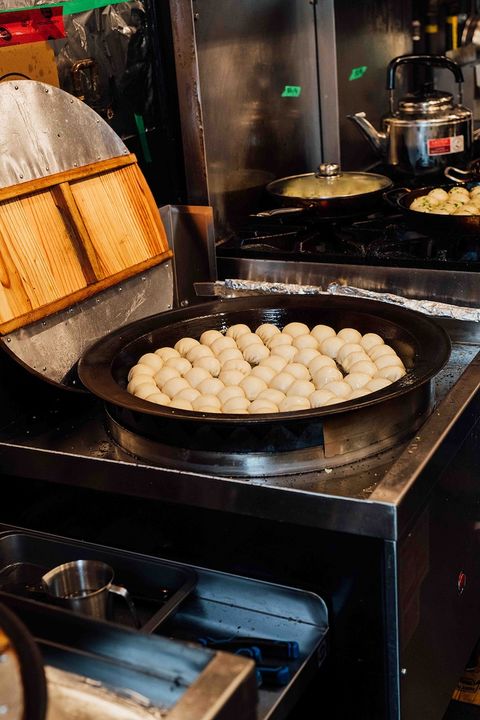
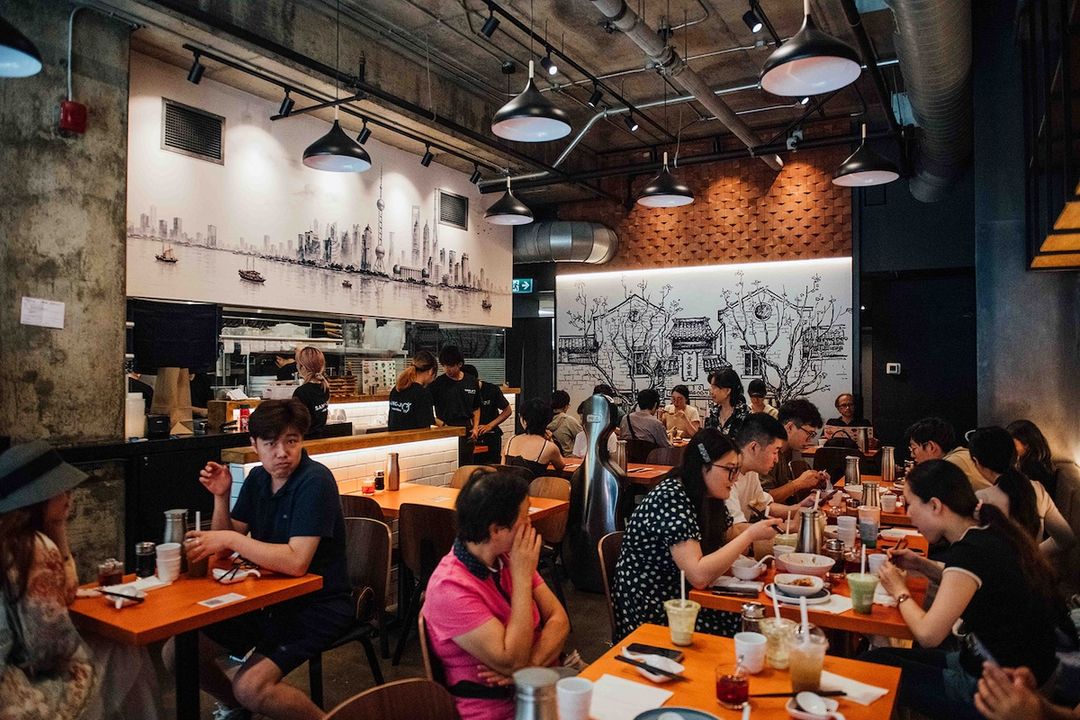
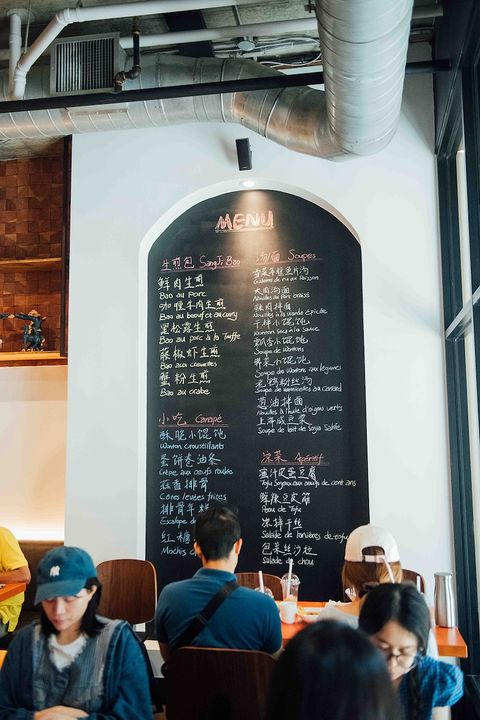
Sang-Ji Bao Frit brings a Shanghai street snack to downtown Montreal, in a narrow room on Bishop that moves at an impressive pace. Right near the entrance, behind a pane of glass, the team pleats wonton after wonton and lines up bao in a neat formation, and you can watch the whole thing while you wait. It’s the third address of a Toronto favourite, and its first outside Ontario.
The Shanghainese snack nobody here was making
Owner John Xue grew up in Shanghai and moved to Canada at 15. He learned the fundamentals at Oliver & Bonacini, managed food and beverage for the Marriott Group in China, then cooked two years with well-known chef Susur Lee before starting his own business in 2018, the first Sang-Ji Bao.
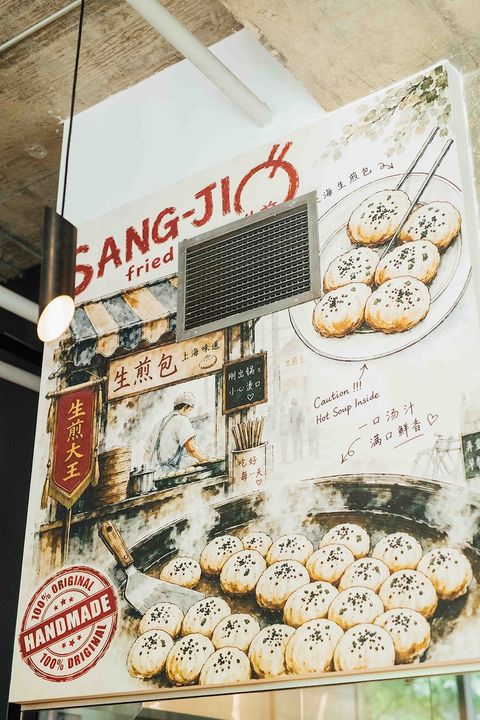
The idea came out of an absence. “Sang-Ji Bao was a Shanghainese, like really authentic, traditional street food. And for so many years, I’ve been looking for this because that’s something we grew up with,” he says. “And I saw nobody was doing it. The only thing that’s close to it was the soup dumpling, the steamed one, xiao long bao. So I had an idea to make it myself and let everybody try it.”
Toronto answered fast. “It just became a hit right away,” Xue says. “Everybody was like, oh, this is the brother of xiao long bao.”
Building a menu brick by brick
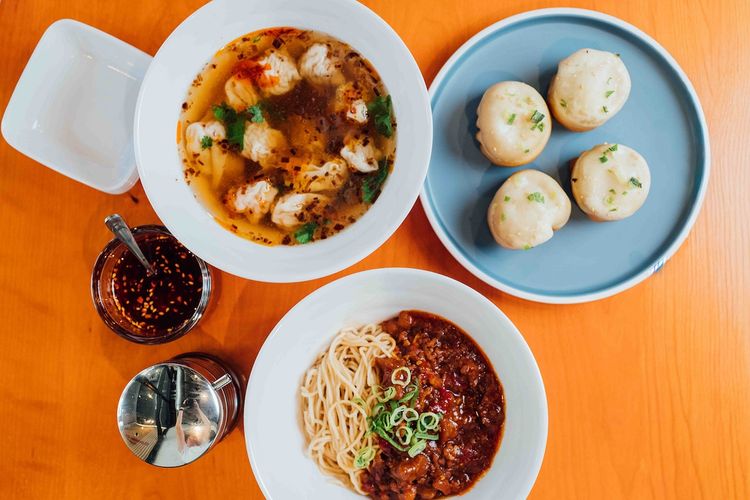
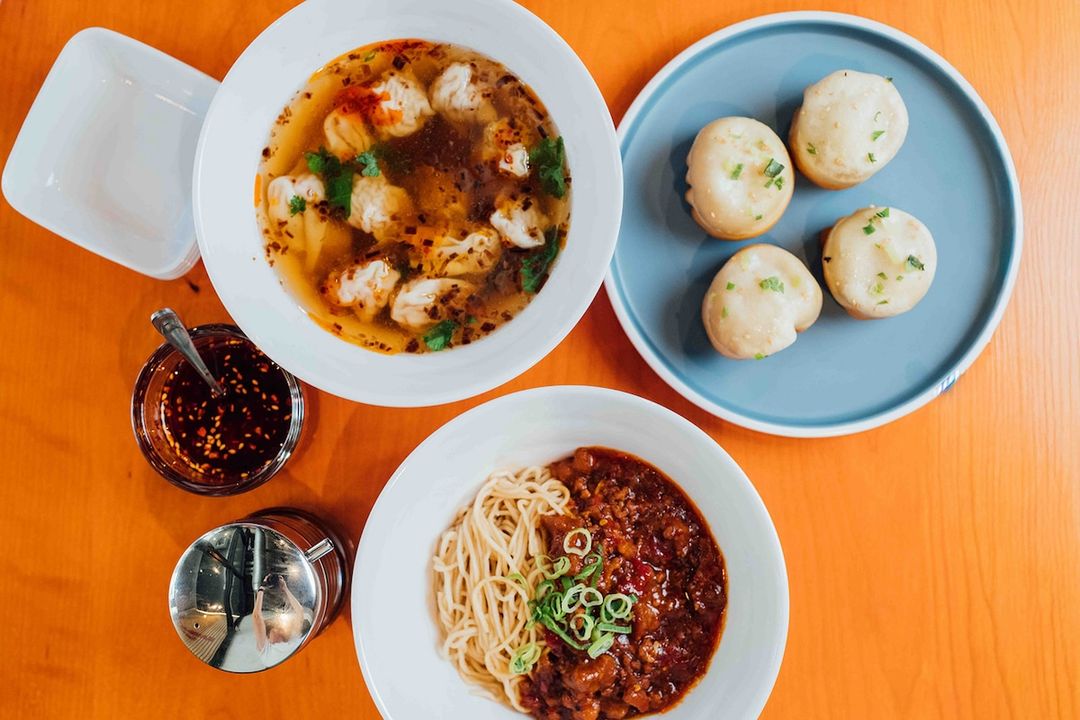
That first Toronto shop measured 400 square feet, and the space determined the menu. “Due to the space limitation, [we] only could feature three items, which was the original pork fried bao, the dry noodle with scallion oil, and the wonton soup.” Nearly a decade and many more menu items later, those three are still the reason to come.
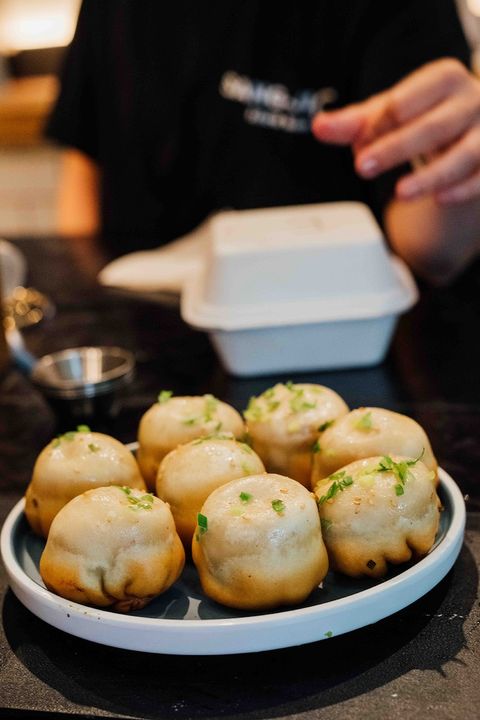
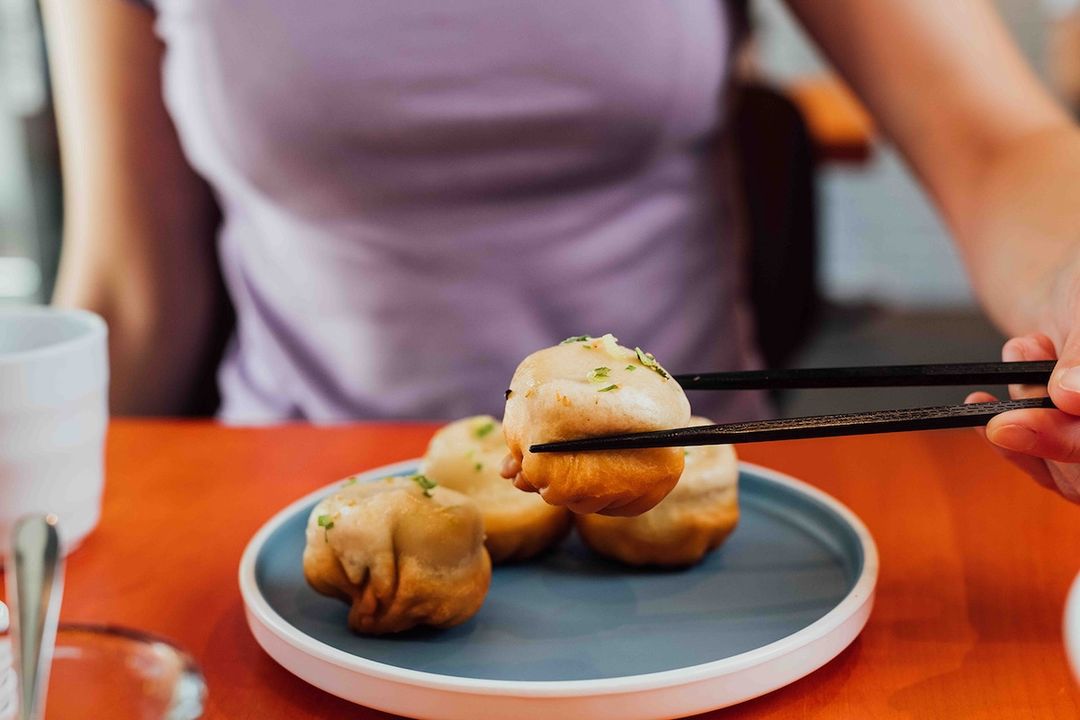
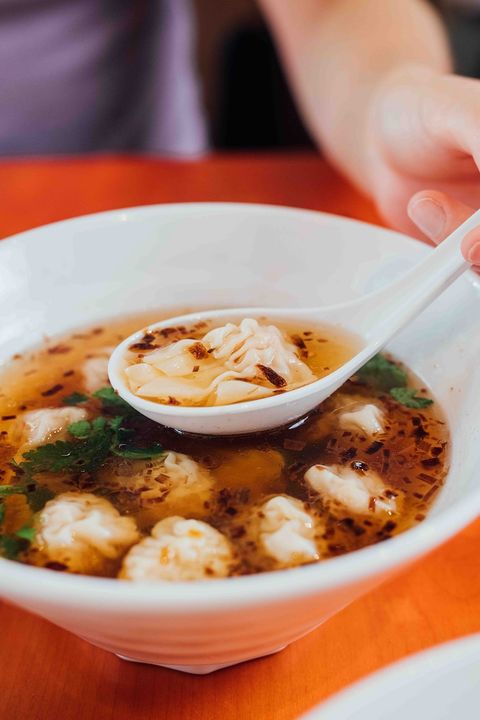
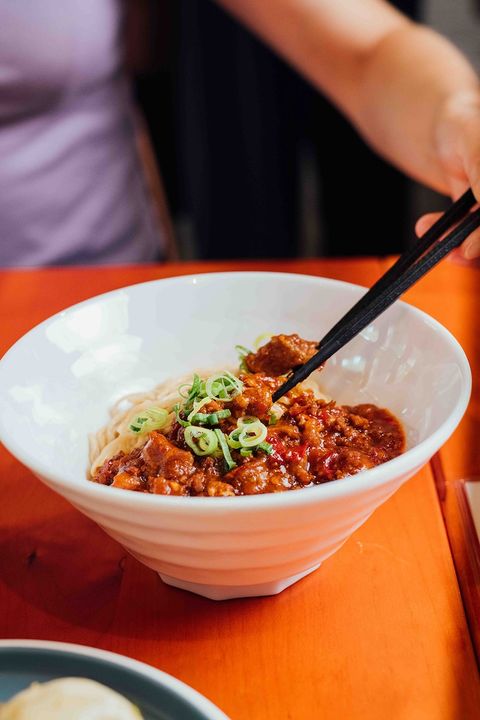
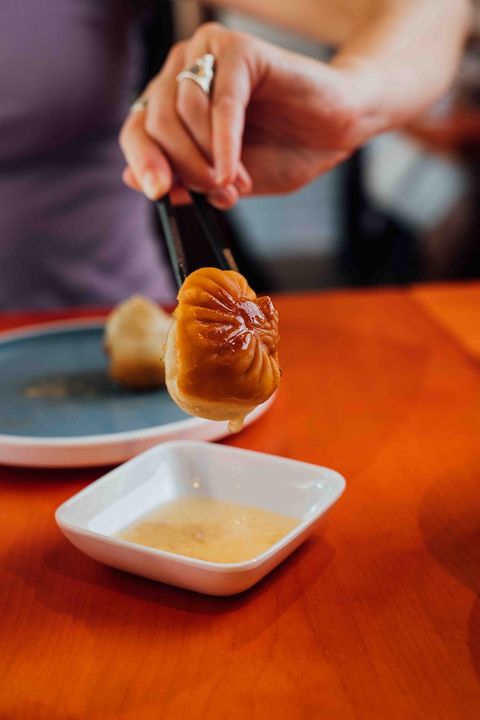
The fried bao have a thicker skin than their steamed counterpart, with a crunchy base under a softer top, and a generous pork filling that releases its broth on the first bite. Take that first bite carefully: the broth comes out scalding. The wonton soup is clear and flavourful, the wrappers thin enough to go translucent. The dry noodles with scallion oil are the quietest of the three and the hardest to stop eating: glossy strands, crushed peanuts on top. Order the dry noodle with meat sauce and peppercorn oil instead if you want the same springy noodles with a spicy bite.
From the streets of Shanghai to Bishop Street
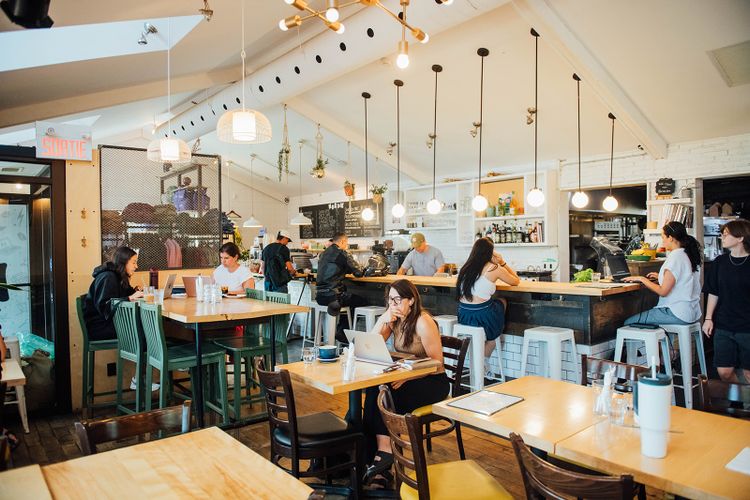
You order from the table with a QR code, which frees the staff to do everything else at speed: plates land within minutes. The 40-seat room fills up, but the turnover is quick, so the line moves. There are no reservations.
Xue isn’t trying to replace what Montreal already has. “It’s not just the Cantonese dim sum, but let me bring some Shanghainese dim sum to you guys as well.”
Sang-Ji Bao Frit is an address for a fast, cheap, well-executed lunch, dinner or snack, and the rare chance to eat a Shanghai street food classic that has almost no competition in this city.
Written by Marie-Ève Godin
Photography by Alison Slattery