Kishimoto: a Japanese kitchen with West Coast roots
Kishimoto Japanese Restaurant
- $$
- Booking
-
2054 Commercial Drive Vancouver V5N 4A9
+1 604-255-5550 -
Monday: Closed
Tuesday: 5:00 PM – 9:45 PM
Wednesday: 5:00 PM – 9:45 PM
Thursday: 5:00 PM – 9:45 PM
Friday: 5:00 PM – 9:45 PM
Saturday: 5:00 PM – 9:45 PM
Sunday: 5:00 PM – 9:45 PM
-


- Restaurant

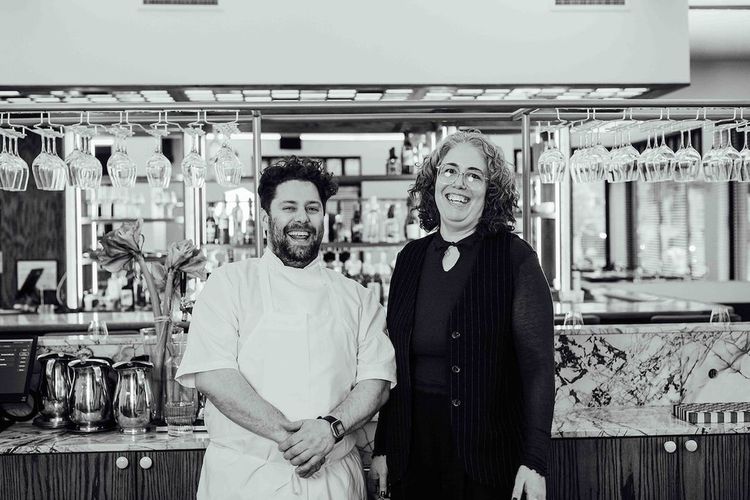
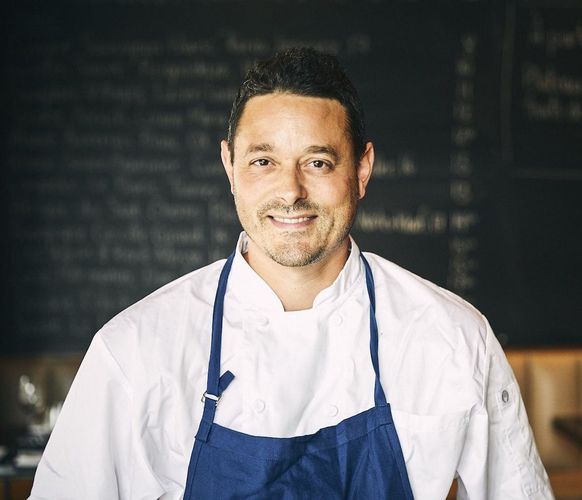
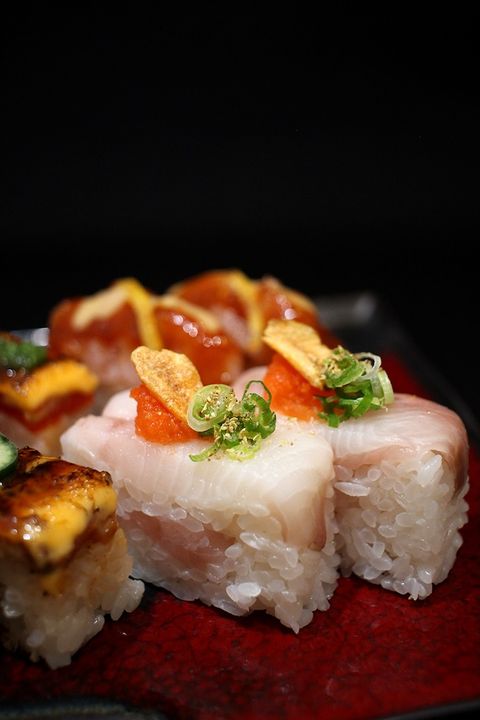
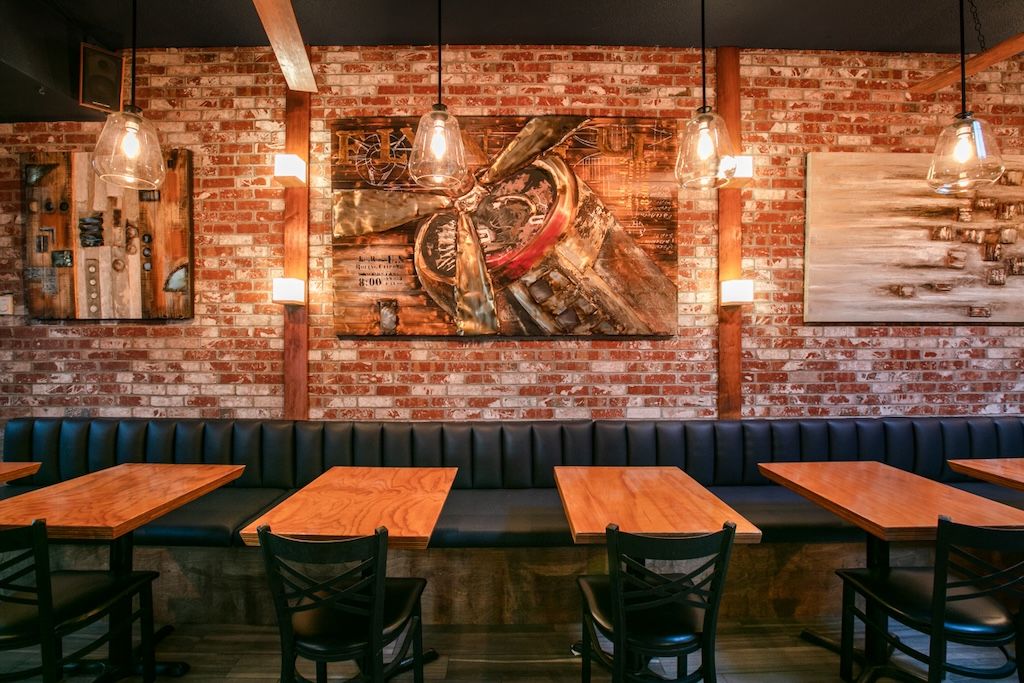
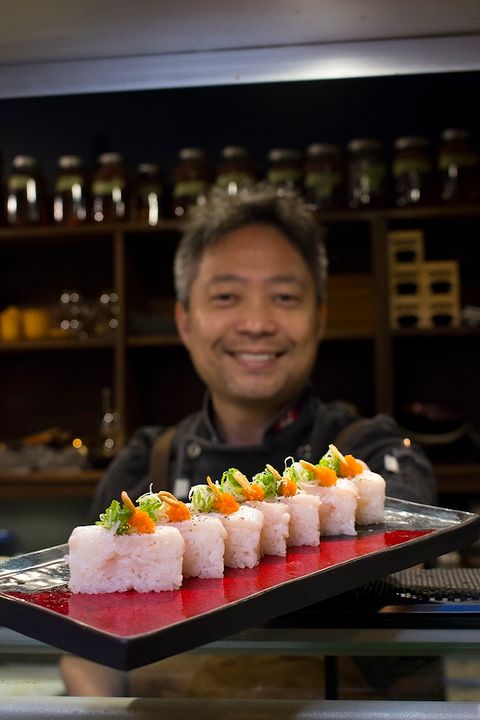
In a welcoming room of brick and warm wood on Commercial Drive, chef Akira Kishimoto shapes pressed sushi at Kishimoto’s counter, a few steps from the tables. For more than a decade, the restaurant he runs with co-owner Jyan Kishimoto has paired classical Japanese training with ingredients from British Columbia, from seasonal pickles wrapped in daikon to ice creams sweetened with honey made from foraged flowers.
An offer they couldn’t turn down
The chef came to Vancouver from Japan after learning his craft in Osaka and Kyoto, with the idea of putting down roots and one day opening his own place. The other co-owner, born in Canada, had worked in hospitality since her teens. Owning a restaurant was a goal they shared, one they pictured much further down the road. Then an acquaintance offered them one of their restaurants, and within a few weeks they found themselves running a turnkey Japanese tapas bar on a street they knew mostly from Italian Day.
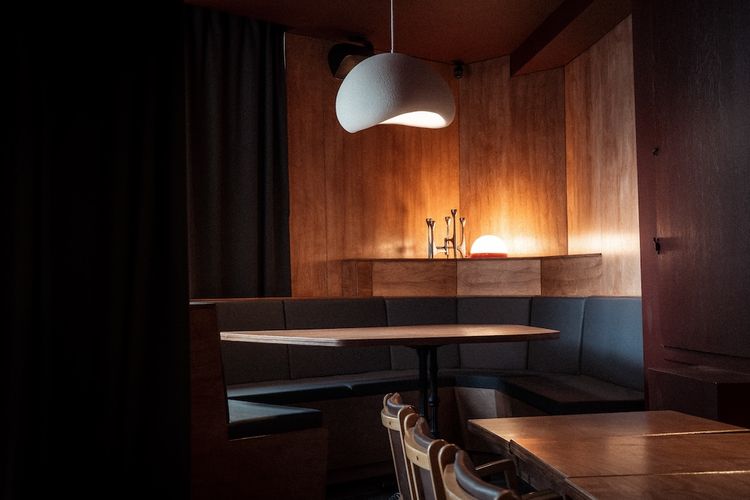
When they took over, the room already had a Japanese look, and the full renovation came years later. They wanted it warm and inviting: dimmed lighting, wood, brick and natural tones. The menu follows the same idea, written so that no one feels shy about ordering a dish they can’t pronounce. Guests who want to watch the chefs at work take a seat at the sushi bar, where the action is close and the room feels intimate. Those after a quieter dinner usually choose a table.
Counter and tables alike filled up faster than anyone expected, and the first years became an education in real time. “We’ll do what we know and then we’ll see how it goes,” the co-owner remembers thinking. The restaurant has since collected more than 30 awards, including gold for best casual Japanese at Vancouver Magazine’s 2024 Restaurant Awards.
The camera ate first
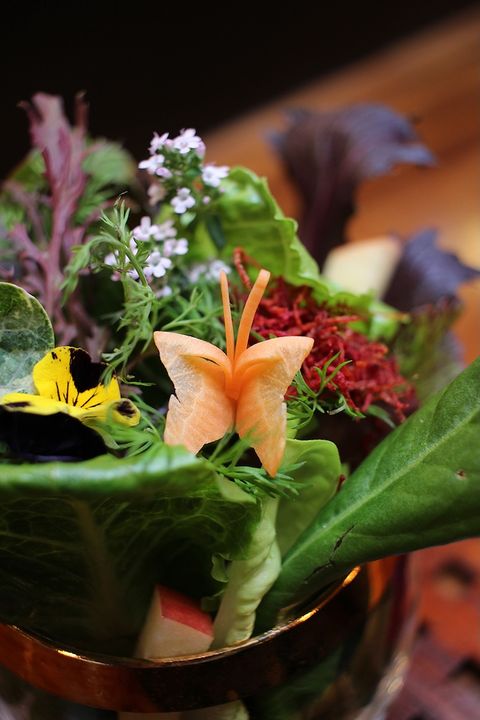
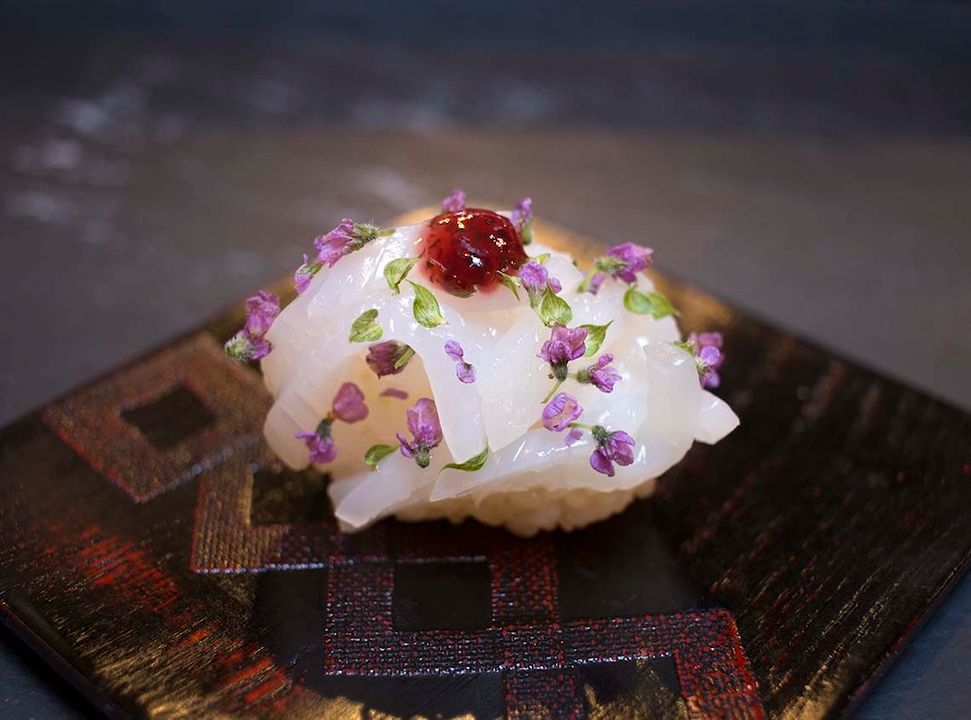
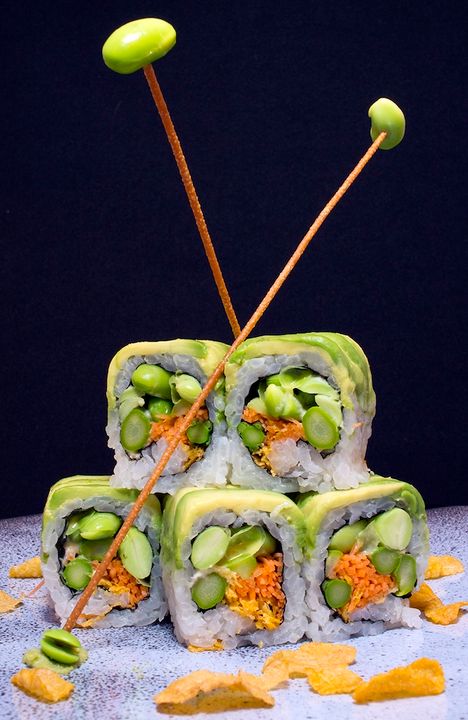
The early menu leaned on special rolls and striking presentation, and it arrived just as oshizushi, the pressed sushi of the Kansai region, was catching on in the city. Plates came dressed with hand-carved vegetable garnishes, and tea lights glowed inside paper-thin sheets of daikon. Plenty of guests came to Kishimoto for the photo and ended up loving the food. Keeping up that level of decoration every night took a great deal of work, so over the years the plates grew more refined, while the menu kept its taste for traditional dishes rarely seen elsewhere in Vancouver.
Japanese technique, Vancouver palate
Before Vancouver, the chef learned sushi and worked in a kaiseki restaurant, where cooking follows the seasons and stays simple so the ingredient leads. Vancouver diners, the co-owner explains, tend to look for deeper, bigger flavour. The kitchen keeps the technique and the instinct not to overpower a dish, but seasons more boldly than it would in Japan. Fish is imported from Tokyo’s Toyosu Market, while produce comes from local farms and foragers whenever possible. “We think about where did this come from,” she says. “So we want to respect that and showcase it to you with Japanese technique.”
Her own heritage is part of the recipe. The goal, as she puts it, was to bring her Canadian roots into the cuisine while keeping it Japanese and uniquely Vancouver.
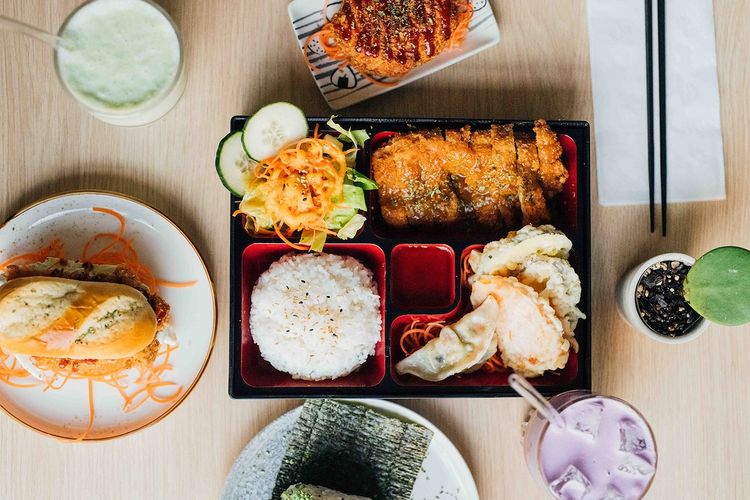
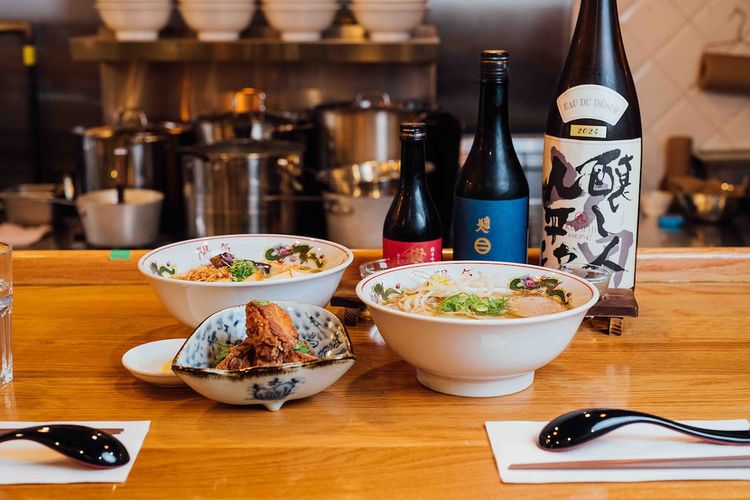
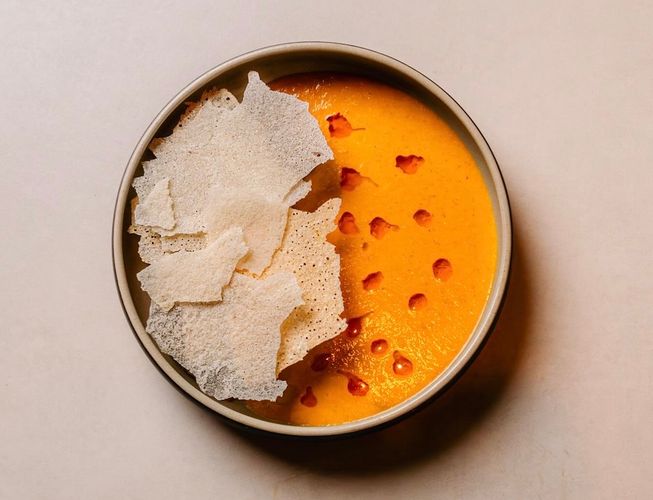
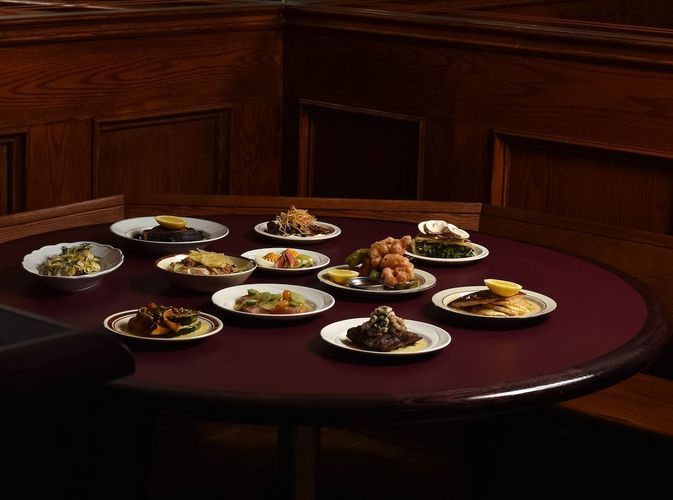
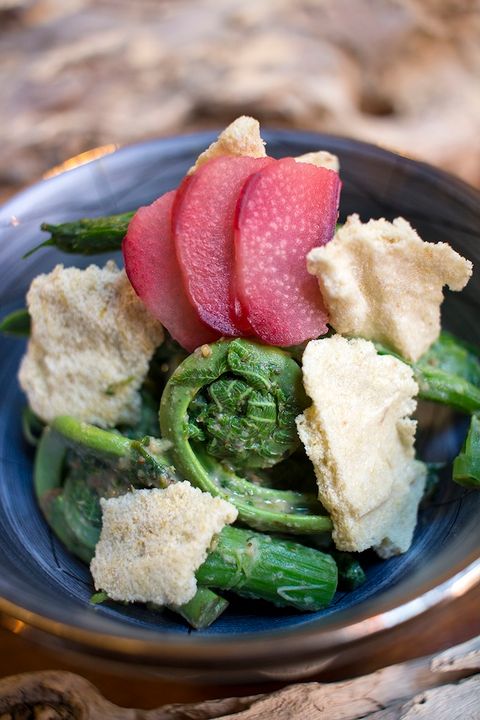
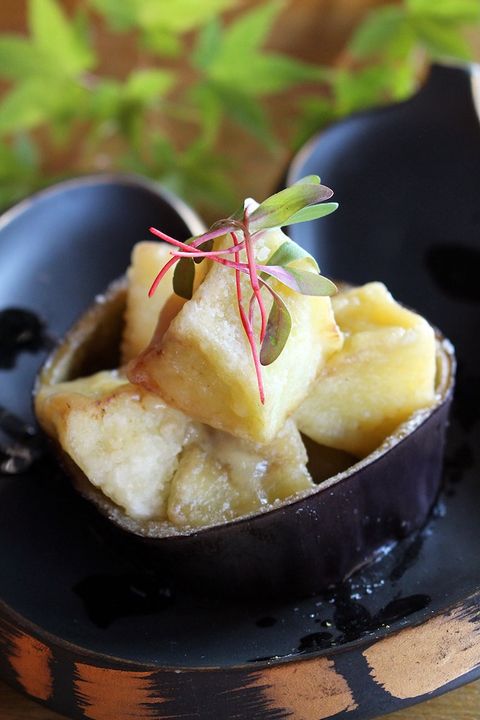
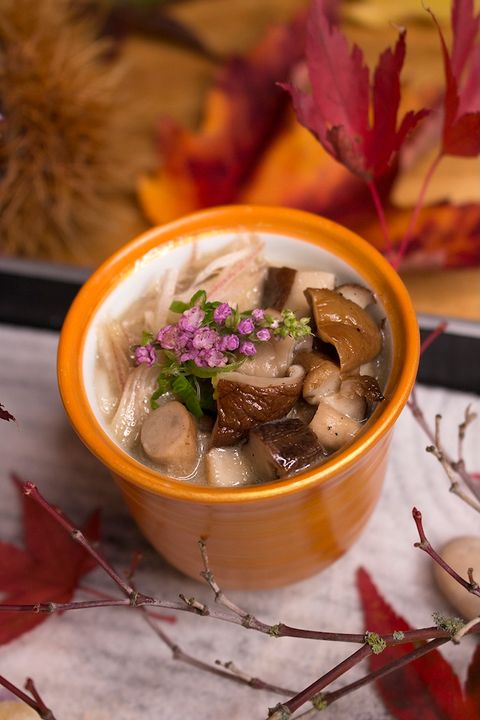
Kishimoto’s menu changes with the seasons around a few constants. Oshizushi comes in four varieties, and the oshi tasting plate brings two pieces of each, a good way to find a favourite. The chirashi bowl never leaves the menu, though what goes into it follows the market. The seasonal gomaae swaps the usual spinach for local vegetables such as cauliflower and radicchio, and the agemono section has replaced the old tempura to make room for different frying styles. The saikyo miso gindara, or sablefish, marinates in sweet white miso and sake kasu, the rice lees left over from sake brewing, before it is grilled or torched until caramelized.
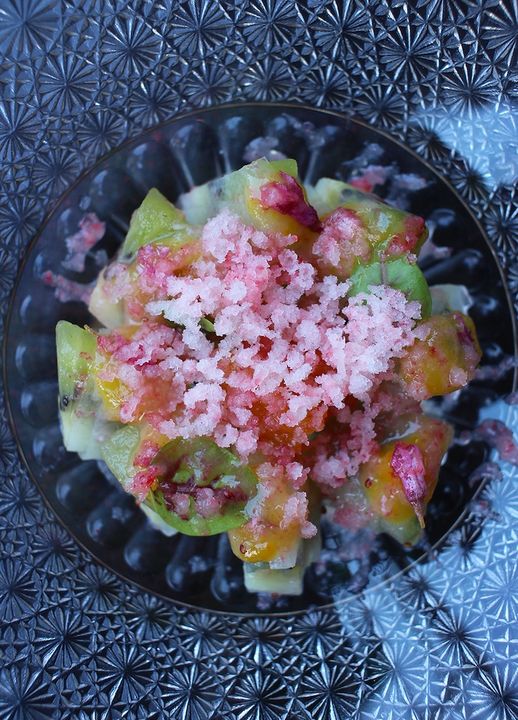
Asked which dish deserves more attention, the chef answers without hesitating: the homemade tsukemono. Local fruit is wrapped in pickled daikon or radicchio, topped with orange miso, pickled flowers and other seasonal pickles, then finished with frozen strawberry shaved over the top on a microplane, or sometimes yuzu zest. “Everyone’s surprised,” he says. “They didn’t expect this is a pickle.”
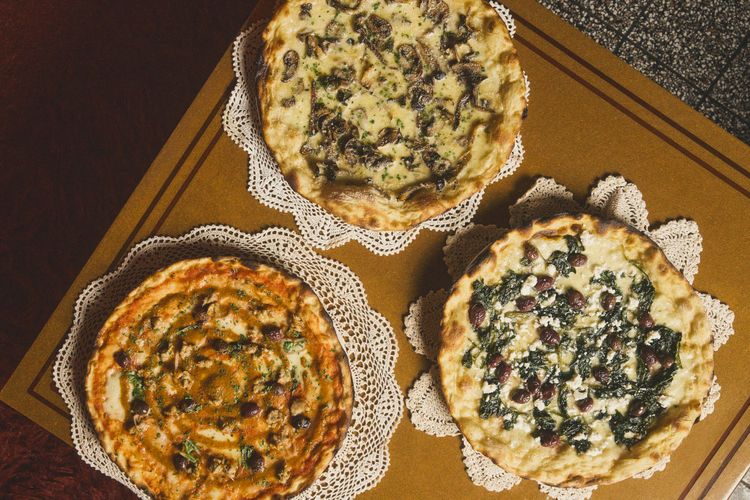
Plant-based eaters are well served too. The co-owner became vegan a few years ago and wanted the menu at Kishimoto to reflect it. The okonomiyaki trades pork for large, meaty mushrooms, and many of the seasonal dishes built on local produce are plant-based by nature.
Spruce honey and ramp ice cream
Every dessert is made in house. Warabi mochi, a traditional sweet made from bracken starch, has a soft, chewy, jelly-like texture, and the kitchen tops it with seasonal honey or finely ground roasted tea; one fall version pairs it with maple syrup and hojicha. Foragers bring in wild flowers that are candied or turned into flower honey, which then flavours the ice creams. Flowering currant gathered in spring is preserved as honey for later in the year, spruce honey makes its way into another scoop, and yuzu juice from Japan keeps a traditional flavour on the list alongside seasonal sorbets such as green apple.
In summer, the kitchen made a wild ramp ice cream. Cooked down, the ramps lose their sharpness, and the chef found they matched well with something sweet. The flavour isn’t traditionally Japanese, but the approach is: let the ingredient speak.
Sake, BC wine and a little umeshu
With every inch of the room put to use, cocktails stayed off the menu, so Kishimoto co-owner, a former bartender and café manager who graduated from bartending school, built the list around Japanese sake and BC wine. She looks for sake that is high quality without being out of reach. Part of the list comes from friends at Artisan SakeMaker on Granville Island, who grow much of their own rice in Abbotsford, and their sake kasu also finds its way into the gindara marinade. Each bottle carries one or two lines describing its profile, so guests can choose with confidence.
Wines come from the Okanagan Valley and from Lillooet, a less expected growing region. Umeshu and yuzu liqueur need no introduction, and the alcohol-free side now includes craft grape juices pressed from wine grapes.
Still a new discovery
The regulars are loyal. Some who have moved away still come back every so often, and guests from the East Coast come every few months specifically to eat here. New faces keep arriving too, and the team still enjoys being someone’s first discovery after all these years. Kishimoto now also runs a second counter at Time Out Market Vancouver, in Oakridge Park, serving udon, okonomiyaki and oshizushi.
For anyone walking in for the first time, the co-owner has simple advice. “When you come to Kishimoto, have an open mind, try something new, you’ll be pleasantly surprised.”
Written by Marie-Françoise Malo
Photography by Jyan Kishimoto