Anthony Travaglini: A Career in One-Way Tickets

He has just landed in Rome. He hasn’t even picked up his bags and his phone is already ringing. On the line, a Québec City restaurateur, given his number by his father, remembers a carbonara Anthony served him years earlier, in the family’s little shop in Little Italy. He’s looking for a chef for Le Capitole in Québec City. “Buy me a plane ticket, I’ll be there tomorrow.” One night in Rome, one flight, and there he is in the provincial capital: the start of a story he had absolutely not planned.
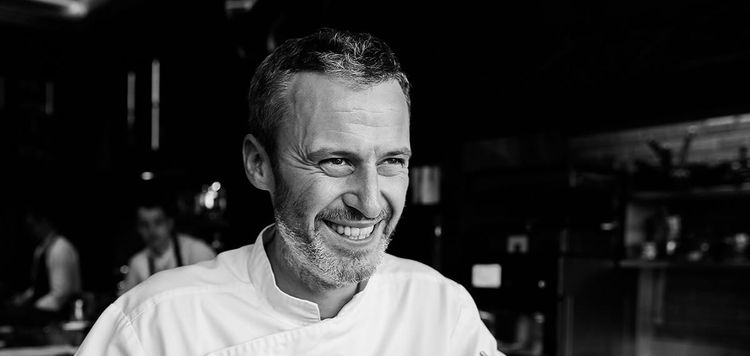
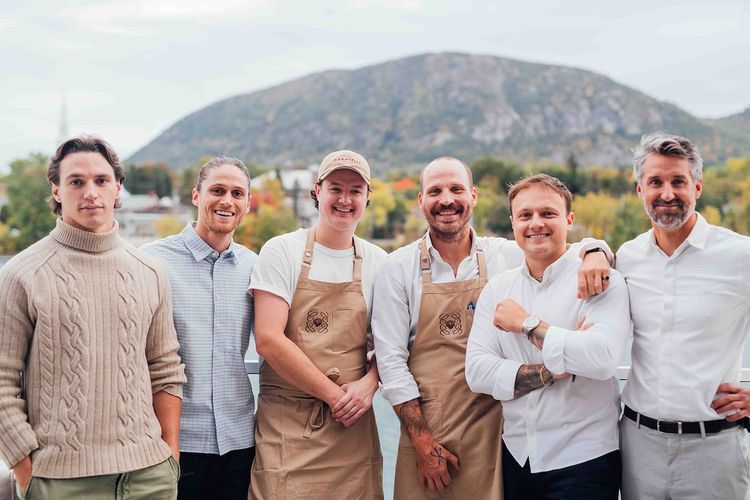
Anthony Travaglini has always moved the same way: on impulse, on instinct, carried by the moment. Today chef-owner of Tonino and, since mid-July 2026, of his new cocktail bar named Pio, he has built his career from one one-way ticket to the next, between Italy, France, Israel and Québec.
The summers nobody called a vacation
Anthony was born in Vasto, a village on the Adriatic coast, in Abruzzo. On the family land, they grew tomatoes, olive trees, peaches and artichokes. He is five or six when his parents leave Italy with him and his little brother to settle in Laval. School stops early, swept up in the fervour of the red squares, but cooking never leaves him: every summer, instead of day camp, his parents send him to his grandmother’s in San Salvo, where bread still rises in an outdoor oven, the way it did in the houses of another era. Days begin at 4:30 a.m., perched on his uncle’s tractor, picking peaches and then tomatoes, whose crates go straight to the village shopkeepers. And in the evening, the whole family gathers around the same table. “We tasted, we judged. You had to be able to recognize a real tomato, a real olive oil. It’s simple, but plenty of people don’t know that anymore.”
Officina Travaglini, his name on the chalkboard
He cuts his teeth at the dish pit, in a Greek restaurant on boulevard Saint-Martin in Laval, where he touches a bit of everything. “You do what the boss asks you to do,” he sums up, laughing. Then comes Buonanotte, where he discovers classic Italian cooking and a real competitive energy between cooks. The rest builds in the same momentum: his father opens a small fine food shop in Little Italy, near Jean-Talon Market. Anthony makes the coffees there, works the floor, then, at eighteen, finds himself alone in charge of the daily menu, scribbled in chalk on a board. Pasta, salads, sandwiches, private suppers, tasting menus: he improvises it all, on the board that read Officina Travaglini. “My family name was written on it. I had no right to go at it halfway.” He would later pass through the ITHQ, without completing it. But he won’t have anyone speak badly of it. “If there’s one thing the ITHQ taught me, it’s to work clean.” Even today, it’s one of the values that count most for him. “We handle food, we can’t afford to take risks with that.”
Riding the wave, from one one-way ticket to the next
When his father’s shop closes, Anthony takes the blow badly. He sells everything he owns, takes a one-way ticket to Italy and lands at his grandmother’s. He gets a job at Al Metro, in San Salvo, a Michelin-starred restaurant.
Then his brother is admitted to the university in Monaco, and Anthony follows him to Nice to help pay for the apartment. A first attempt takes him to a big hotel, where the pay doesn’t even cover the rent. Walking, lost in Nice-Nord, he comes across an old man sitting in front of his house, cleaning porcini with a brush. “I’m a cook, you wouldn’t be looking for anyone, by chance?” The old man points him toward his grandson, who runs the neighbourhood restaurant, Lou Pantail. Anthony becomes chef there in three months and stays two years, ordering freely at the market. “That’s where I cooked the best I’ve ever cooked.” Breton lobsters, purple artichokes, fresh fava beans, sun-soaked tomatoes in the middle of summer: the products of the Côte d’Azur, he says, have no equivalent.
It’s at Lou Pantail, in fact, that he crosses paths with a customer of great charisma, who has always dreamed of opening a restaurant in Tel Aviv. He mentions it to Anthony’s boss, who agrees to let him go. Young and a little carefree, Anthony flies off without asking himself too many questions. The restaurant runs well, to the point where he occasionally ends up on the local television show, executing a few recipes. It’s that visibility that ends up working against him: the police knock at his door, one hour to pack his bags: his work status wasn’t in order. “I was just riding the wave.” The restaurant has since closed, following a tragedy Anthony speaks about with obvious restraint. He says he learned a lot from that man in the way he welcomed people: “He welcomed people the way he would have liked to be welcomed.”
Québec City, the story that stuck
Expelled from Tel Aviv, it’s to Rome that he is first sent back. We know the rest: the call from Jean Pilote, an emblematic figure at Le Capitole in Québec City at that time. But the executive chef position that follows, with its pre-show suppers, its high volume and its weeks of more than 80 hours, doesn’t suit Anthony.
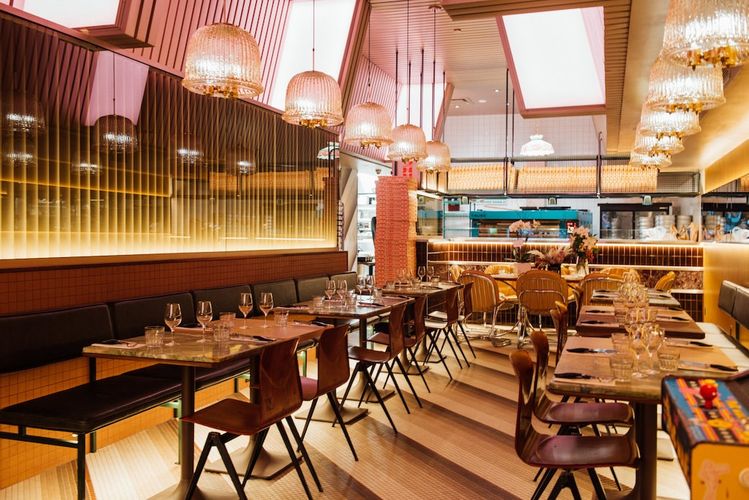
It’s on leaving that position that he comes across an empty space, the former La Perla restaurant, left abandoned. He buys it for next to nothing and opens Tonino with what he has on hand, always with the idea of renovating everything over the years. “It took me six years to redo it all, one oven at a time.” For the first two months, the dining room stays empty, one or two customers here and there. One evening, three customers show up. Anthony has truffle in his fridge and isn’t quite sure who to sell it to; so he grates it over their pasta. One of the guests is a certain Richard Martineau. “I had no idea who this man was. I had just come back from Europe, I’m not really up to date with the news.” Martineau promises an article. The next day, the phone doesn’t stop ringing. With only three employees at the time, Anthony runs to the grocery store, calls friends in as backup, improvises a floor plan. “It went freestyle… and it never stopped.” From three employees, Tonino has grown to twenty-five; some cooks now run the brigade while Anthony tastes, adjusts, gives the green light.
The bread and olive oil test
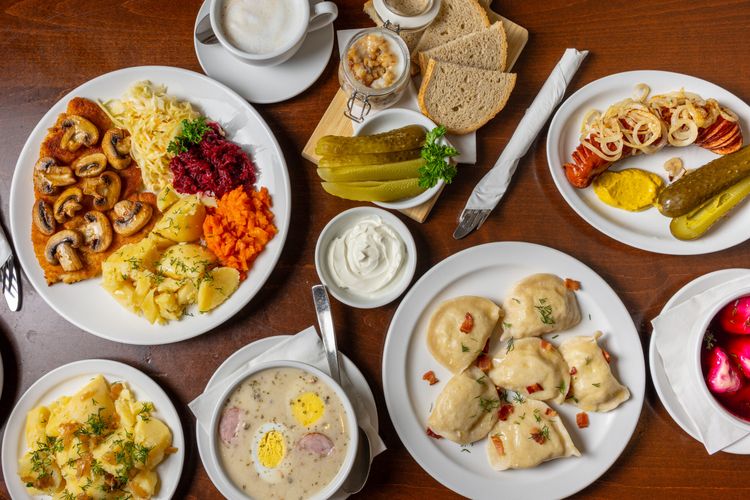
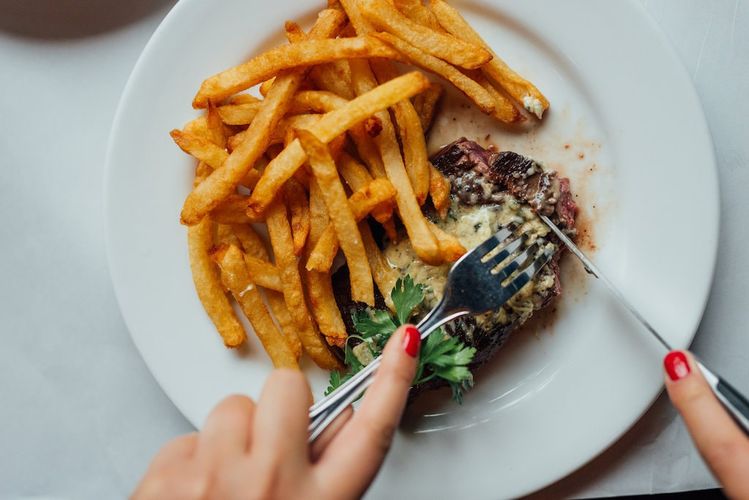
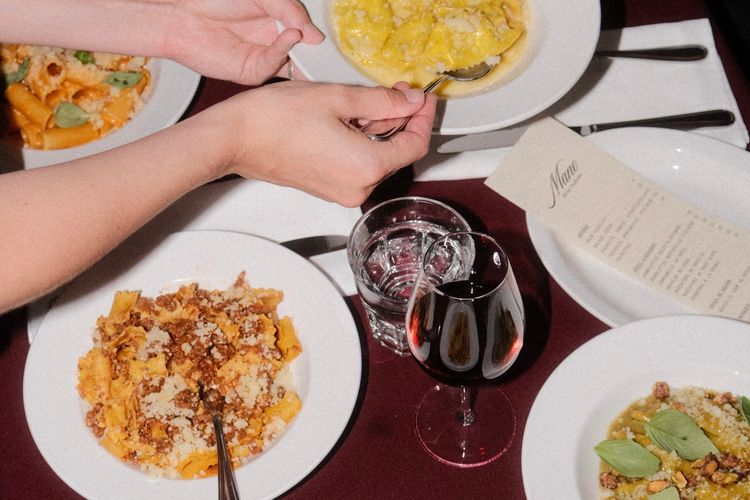
His measure of quality comes down to a traveller’s habit: “You sit down in a restaurant you don’t know, you taste the bread, the olive oil. If it’s good, you stay. If it’s not good, you leave ten euros and you go.” That’s the test he applies to his own table. Tonino, he says, comes down to a few words: authentic, convivial, warm. The plates of pasta there are deliberately generous, made to be shared. And some evenings, after a bottle of Prosecco, his mother rises from a table to sing a Maria Callas aria in front of a full room. “There’s something magical that happens when that happens.” Today, Tonino ranks among the finest tables in Québec City.
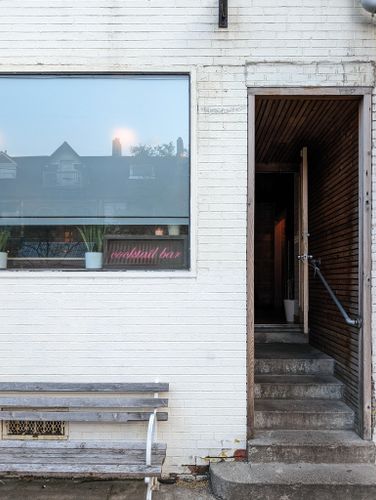
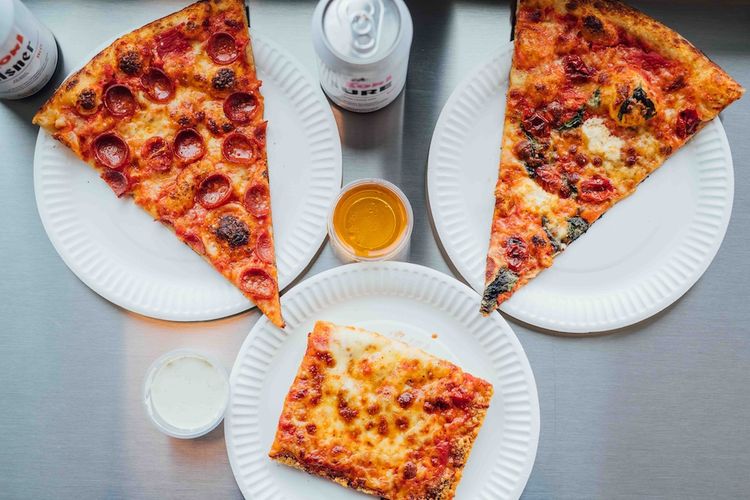
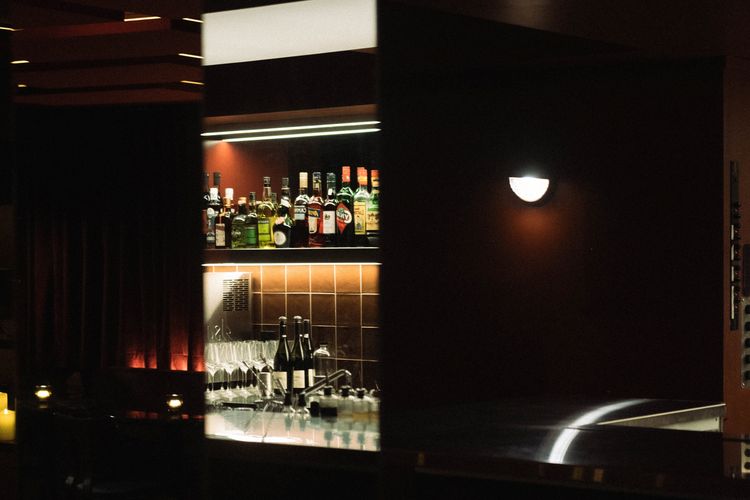
Pio, his new cocktail bar on rue Saint-Louis, almost alone of its kind in the area, steps away from the Château Frontenac, carries that same vision forward.”I can’t put my name on something that wouldn’t be up to standard. It stays in the spirit of Tonino.” The menu builds itself as he lives the place. Before Pio, there was also Tonino Pizza, which he had to give up after a flood in the dead of winter: a burst pipe, six inches of water over his pizza oven, an insurance file still open eight months later. “I wouldn’t wish that on anyone.” Impossible to open two establishments at the same time, he had to choose, and it’s Pio he chose.
High standards as his only compass
The product, the quality and the service: that, he says, is what really counts. Asked what he would like people to remember about him, he stays modest: “I still have a long way to go, I find. I’m really not where I’d like to be. Ask me again when I’m 60!” What drives him, he says, is putting projects together, doing good for the people who work for him, learning more. “It’s life that teaches me. Every day.” In the meantime, somewhere on rue Saint-Louis, he keeps serving, one dish at a time, with the same standards that have lived in him since his father’s little shop. Do things right, or not at all.
Written by Jean-Philippe Tastet
Photography by Ludovic Gauthier / Clovis Jacob / Anthony Travaglini