N.L. Ginzburg : An Italo-Jewish Trattoria on College Street
N.L. Ginzburg
- $$$$
- Booking
-
548 College Street Toronto M6G 1B1
+1 416-929-4646 -
Monday: 5:00 PM – 11:30 PM
Tuesday: 5:00 PM – 11:30 PM
Wednesday: 5:00 PM – 11:30 PM
Thursday: 5:00 PM – 11:30 PM
Friday: 5:00 PM – 11:30 PM
Saturday: 5:00 PM – 11:30 PM
Sunday: Closed
-

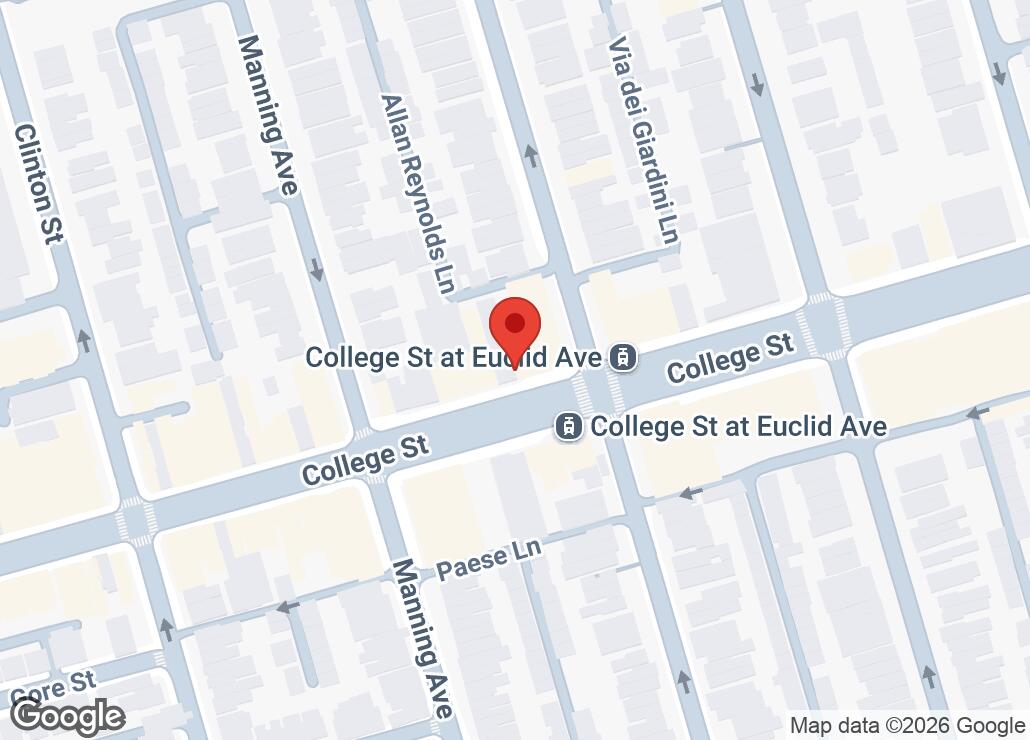
At the eastern edge of College Street, in a quiet stretch of Little Italy, a trattoria unlike most others has been open since November 2025. N.L. Ginzburg explores what Italian cooking becomes when read through the lens of the European Jewish diaspora. Critical reception came fast. 6th place on the Canada’s 100 Best 2026 list, a meteoric debut for a restaurant that has barely blown out its first candle.
The Kolomeir, Imola, Eves Pattern
This is the third Toronto chapter from Carmelina Imola, chef Zachary Kolomeir, and Tristan Eves, after Dreyfus (Michelin-recommended) and Taverne Bernhardt’s. Each address from the trio honours a notable European Jewish figure. Dreyfus for Alfred. Bernhardt’s for Sarah. And now N.L. Ginzburg, condensing the initials of Natalia and Leone, an Italian anti-fascist couple whose story is worth telling (more on that below). The coherence of the project is total. The team isn’t reinventing a concept with every opening, they’re extending a line of thought that started at Joe Beef in Montreal, where Kolomeir trained before moving to Toronto in 2018.
A Room Built for Candlelight
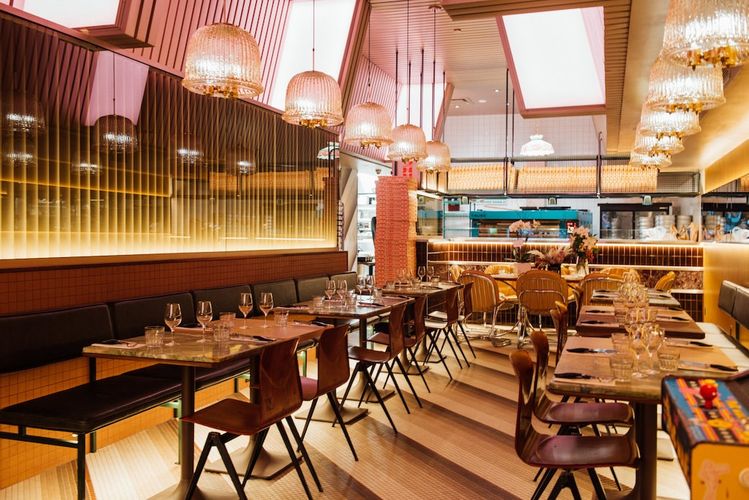
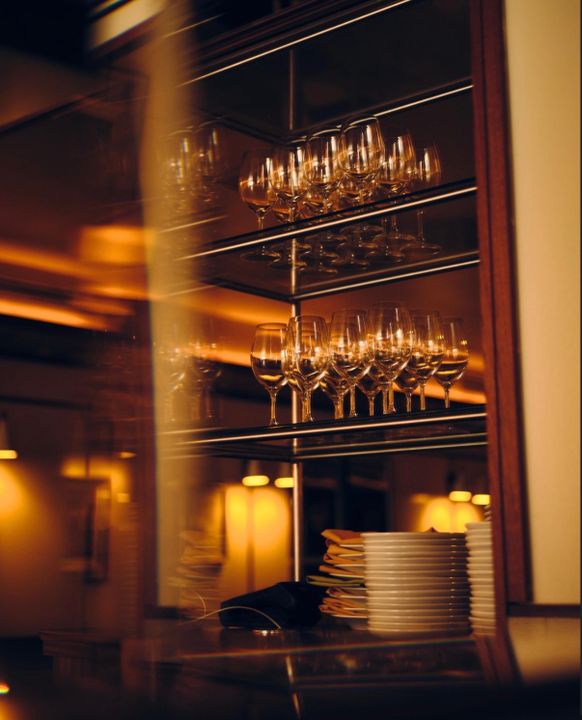
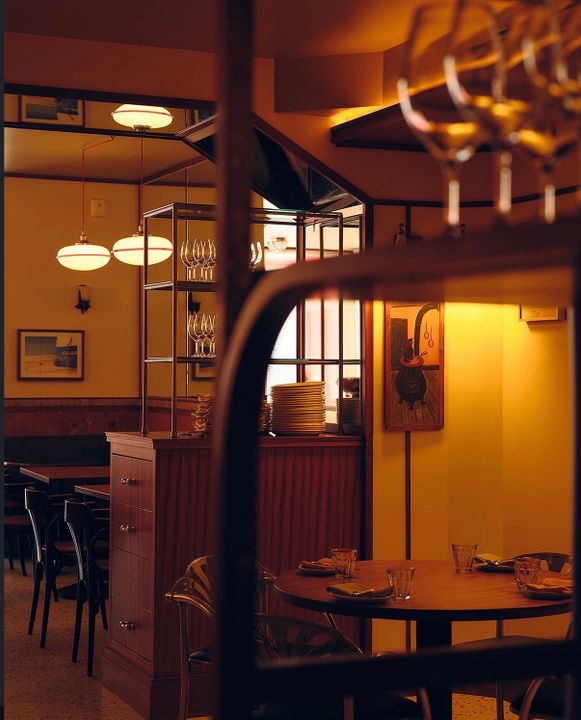
The space runs deep, dim, warm. Rich woodwork, terrazzo floors, vintage banquettes, original 1980 Simonetti chairs sourced one by one. On the walls, a deliberately eclectic art collection: Italian movie posters, religious oil paintings, portraits of dogs. There’s the feel of a family-run trattoria, transposed into contemporary Toronto.
The atmosphere comes into its own after dark, when candlelight catches the terrazzo and the room hums. Service is attentive without being heavy, in the tone of the group’s other addresses. It’s the kind of place that invites you to linger, to order one more glass instead of giving up the table.
Charcoal, Daily Pasta, and the Season
The kitchen rests on three pillars. A charcoal grill, fresh pastas rolled every morning, and hyper-seasonal Canadian sourcing. The chef talks about short supply chains first, and the menu shifts with what’s coming in.
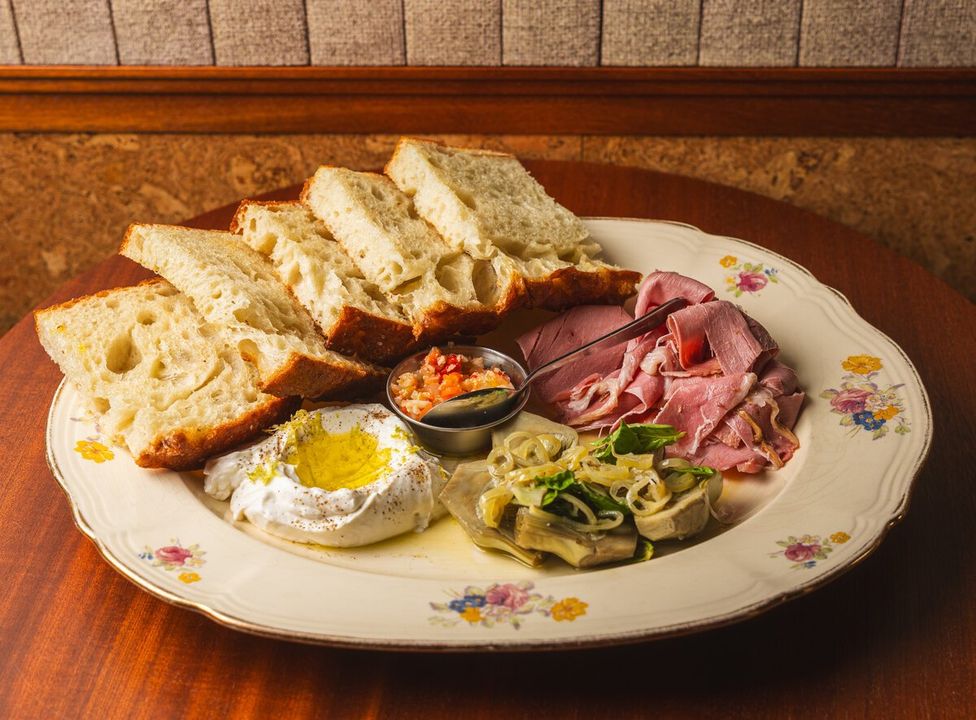
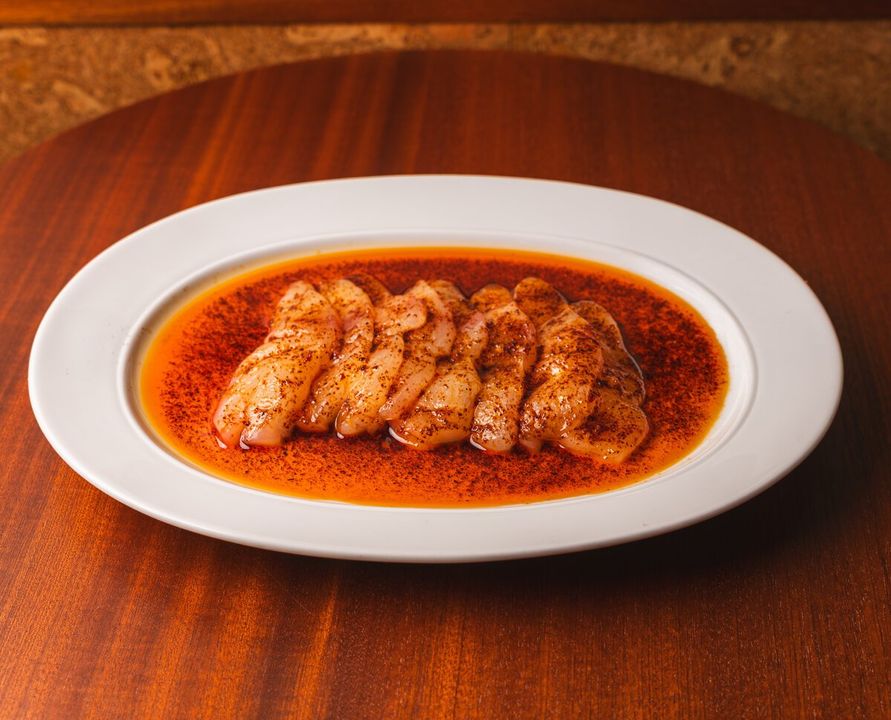
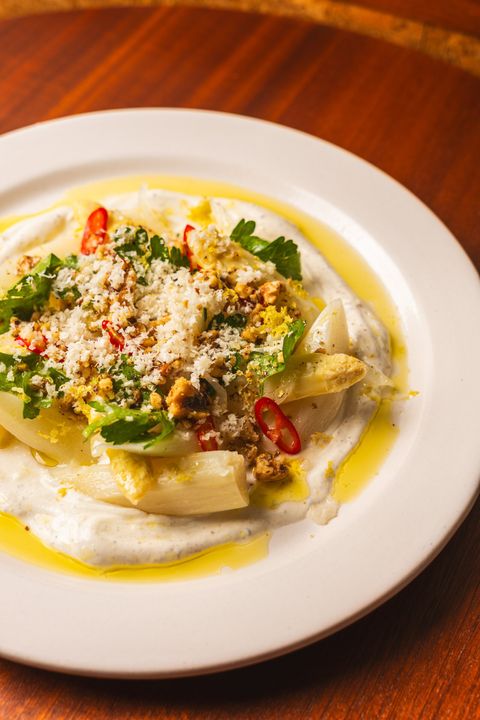
On the antipasti side, the silky eggplant with pesto is the obvious entry: silky, generous, balanced by a pesto made to order. The green beans arrive in a hazelnut cream with shavings of ricotta salata. The crisp lettuce, pecorino and pistachio salad acts as a palate cleanser between courses. The tuna crudo plays purely on the quality of the fish.
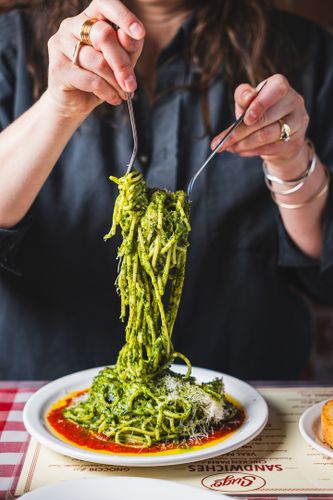
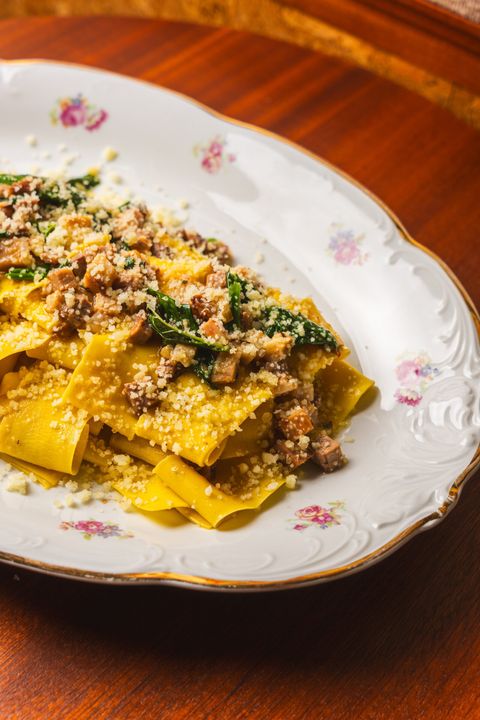
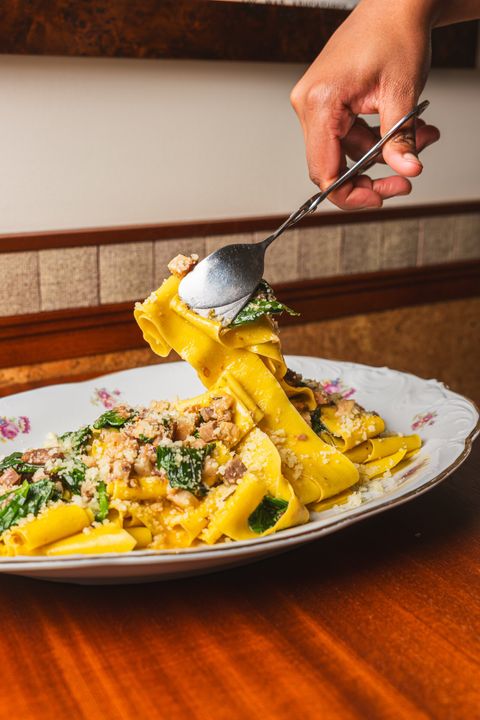
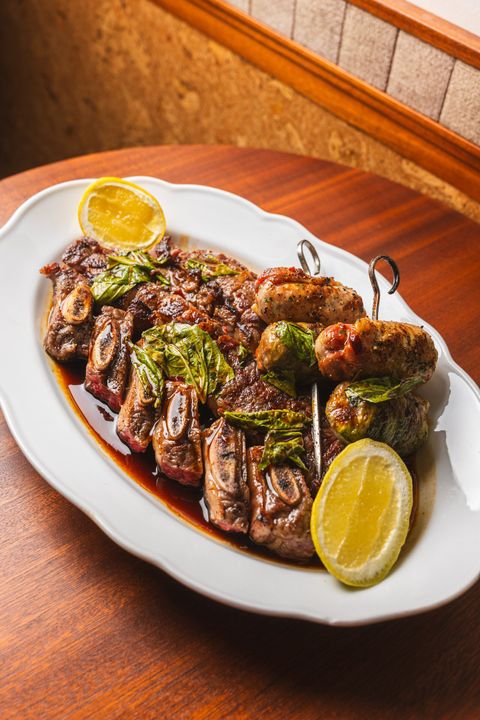
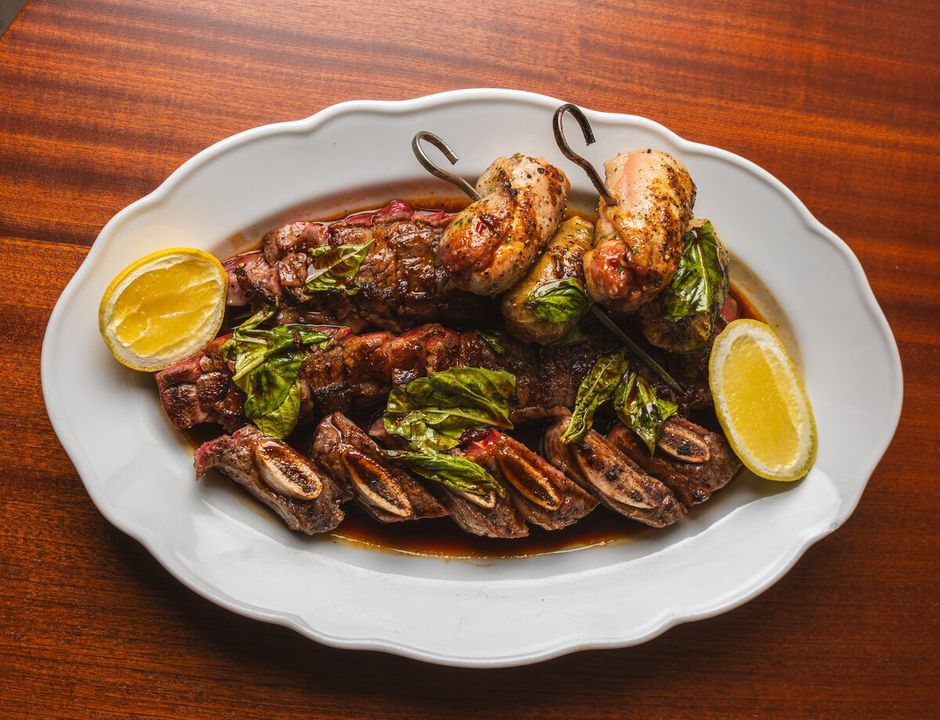
The tagliatelle with local duck ragù is one of the signatures. Pasta with just the right bite, ragù with a long finish, no excess fat. Higher up the menu, the bistecca alla Fiorentina, a 40 oz T-bone seasoned simply with salt and pepper, comes off the grill with a dark crust and a rare core, finished with a drizzle of rosemary oil. It’s the archetype of unfussy Italian cooking, where the quality of the beef does all the work.
The other dish worth flagging: the liver toast, a simultaneous nod to Tuscan fegatini ebraici and to Ashkenazi chopped liver. The double reference is not incidental. The whole menu works this way, mirrored between two heritages.
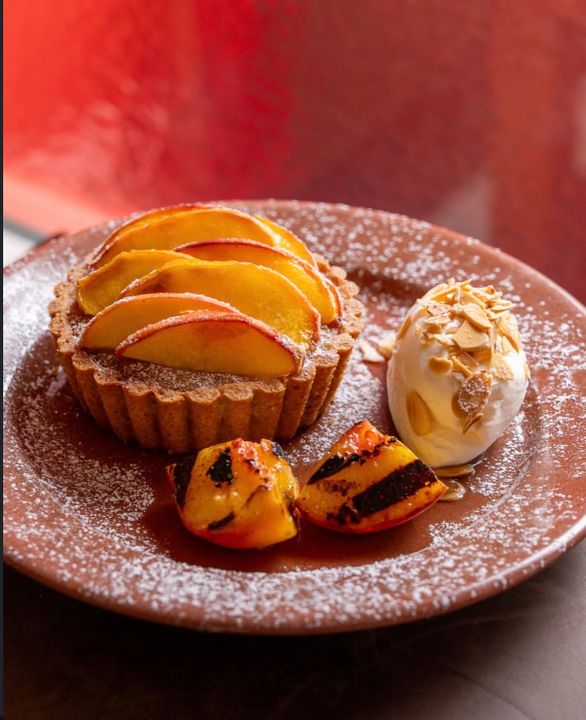
To finish, ask for the rugelach or the plate of Italo-Jewish biscotti, depending on the mood. Around the holidays, the team puts together Feasts of the Seven Fishes, their Toronto version of an Italian-American tradition.
A Wine List That Steps Outside Italy
For a trattoria, the wine list refuses to stay within the peninsula. Small producers, organic farms, direct relationships with growers. The choice is justified by the grilled proteins of the house, which sometimes call for structured reds from elsewhere.
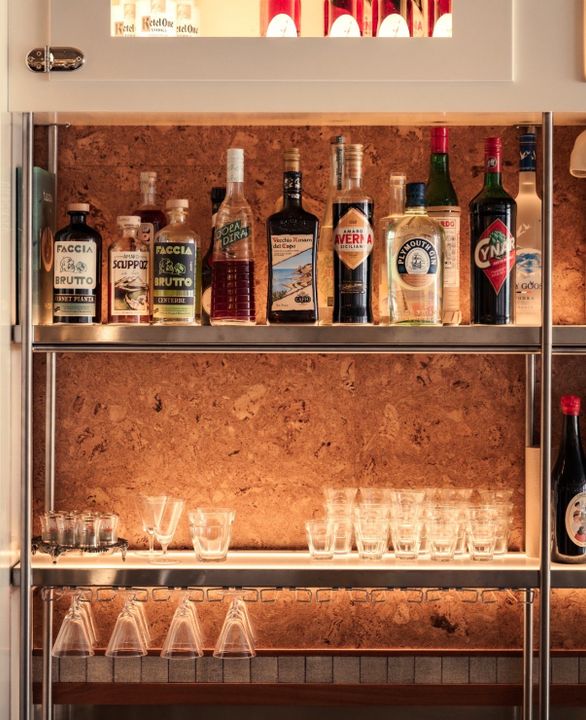
On the cocktail side, you’ll find Milan and Turin classics reworked with Ontario products. The Vesper comes with a gin infused with seasonal strawberries. The Levi Collins plays, wink and all, on Jewish community codes. The Bona Notti, a strawberry gin, sees the night out gently.
The Tribute to Natalia and Leone
The restaurant’s name is not a turn of phrase. Natalia Ginzburg, born Natalia Levi in Palermo in 1916, is one of the great voices of 20th-century Italian literature. Italian-Jewish father, Catholic mother, raised in Turin. Strega Prize 1963 for Lessico Famigliare. Her husband Leone, a Russian Jew from Odessa, ran the underground anti-fascist movement Giustizia e Libertà in Turin. They married on February 12, 1938, the year of the Italian racial laws. Leone died in detention in 1944, at 34, after being tortured. Giving their name to a restaurant that celebrates Italo-Jewish cooking anchors the address in a memory.
The 6th place at Canada’s 100 Best 2026 is a clear signal. Chef Kolomeir’s cooking speaks to a wide audience, without ever sacrificing its historical precision. Worth a visit now, before the waiting list grows longer.
Written by Fabie Lubin
Photography by Scott Usheroff (Craving Curator)