Imanishi Japanese Kitchen: Ten Years of Izakaya Spirit on Dundas West
Imanishi Japanese Kitchen
- $$
- Booking
-
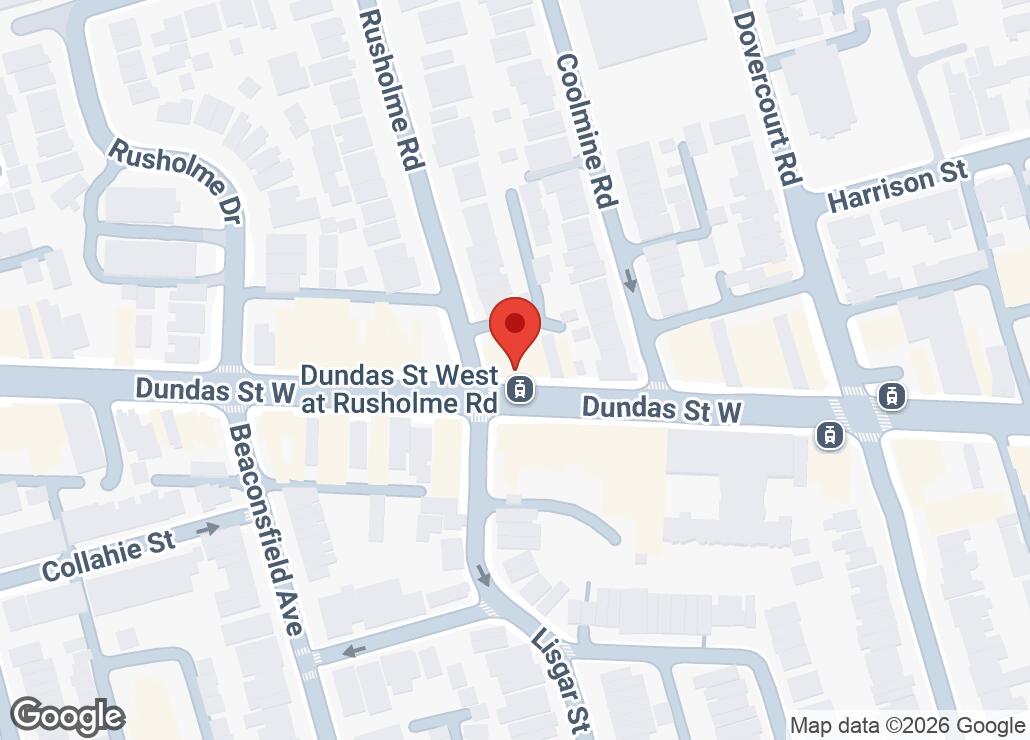
1330 Dundas Street West Toronto M6J 1Y1
+1 416-706-4225 -
Monday: 5:30 PM – 11:00 PM
Tuesday: 5:30 PM – 11:00 PM
Wednesday: 5:30 PM – 11:00 PM
Thursday: 5:30 PM – 11:00 PM
Friday: 5:30 PM – 11:00 PM
Saturday: 5:30 PM – 11:00 PM
Sunday: Closed
-

- Restaurant
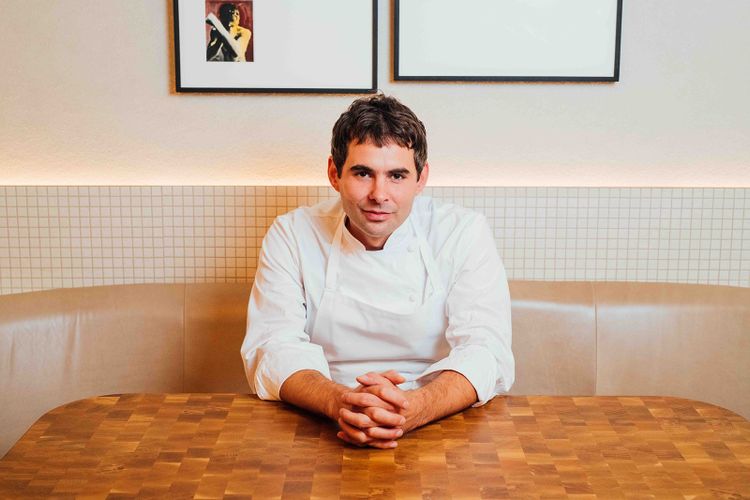
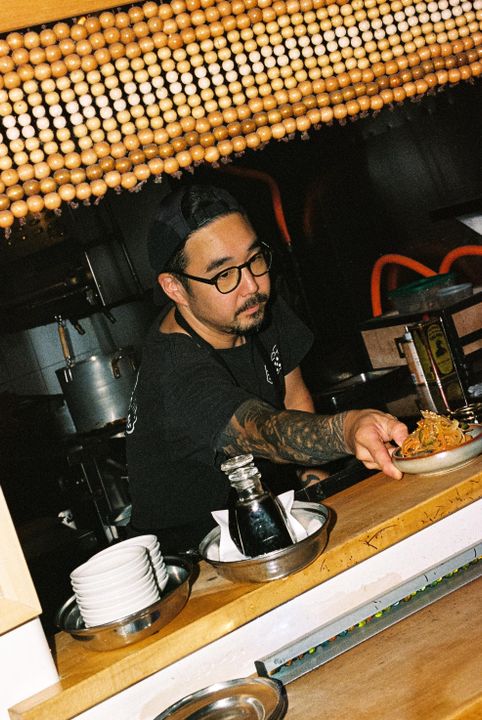
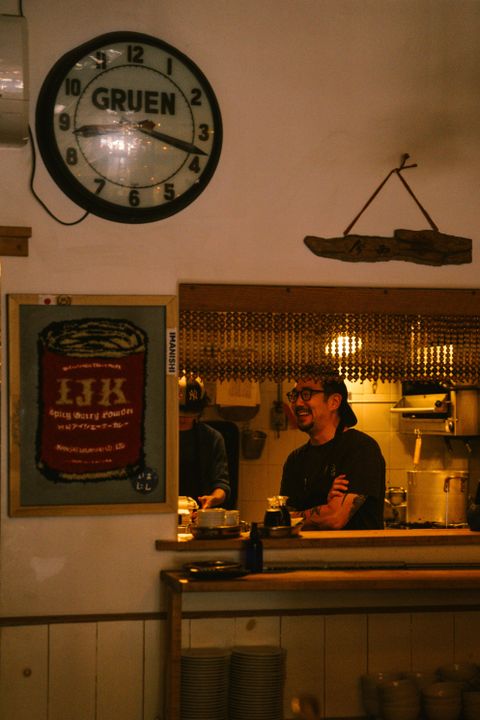
Before there was a restaurant on Dundas West, there were pop-ups. Shori Imanishi — who grew up in Vancouver before moving to Toronto — cooked around the city with a partner and a concept in hand, waiting for the right space. It came in November 2015. This past November, the restaurant quietly turned ten.
A Last Name Over the Door
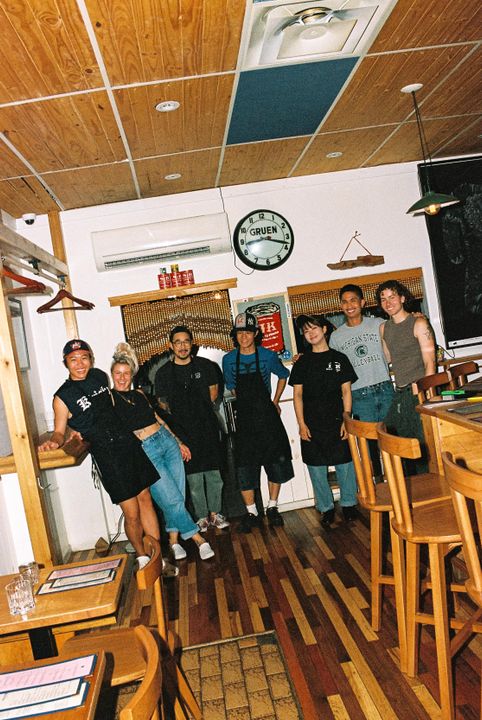
The name is the least complicated part of the story. “Imanishi is his last name,” says Dahna Grossi, the restaurant’s general manager. Nobody could land on anything better, “and I guess it’s a thing in Japan that people use their names for establishments.” Dahna has been there nine of those ten years — she knew Shori from the pop-up days — hired part-time before taking over the floor as GM just after COVID.
Blond Wood, a Sound System, and a Room Downstairs
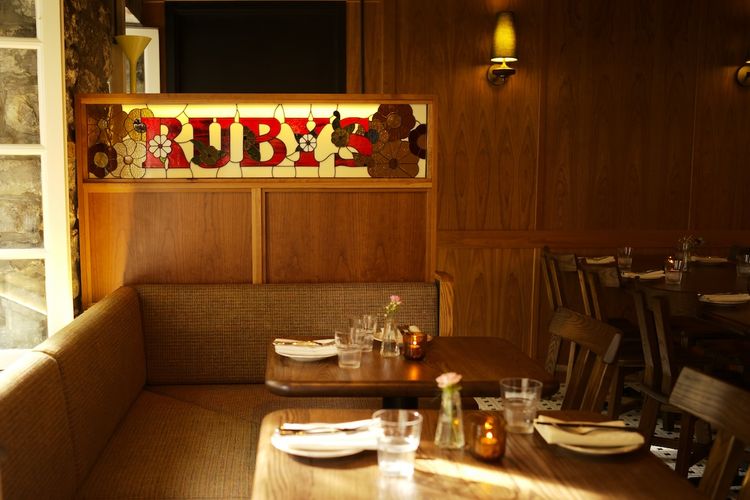
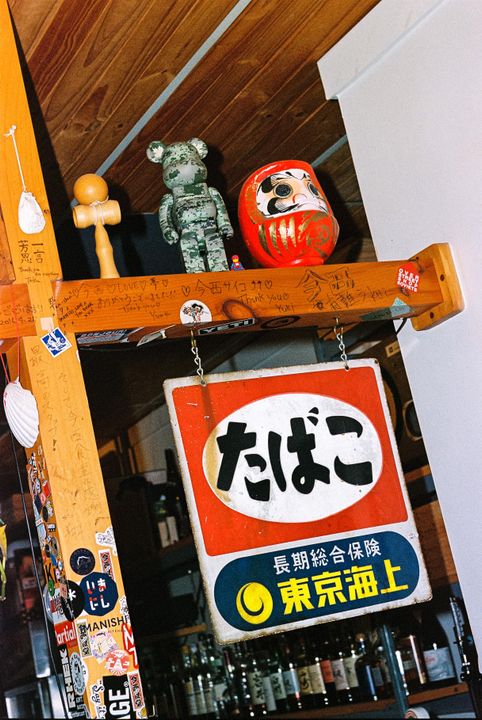
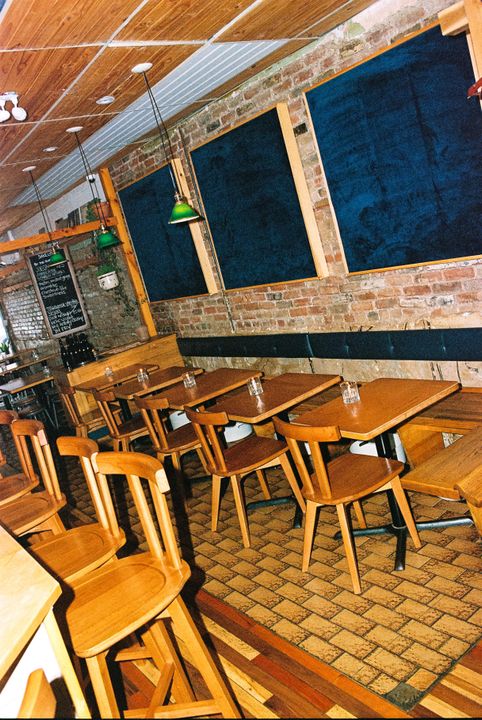
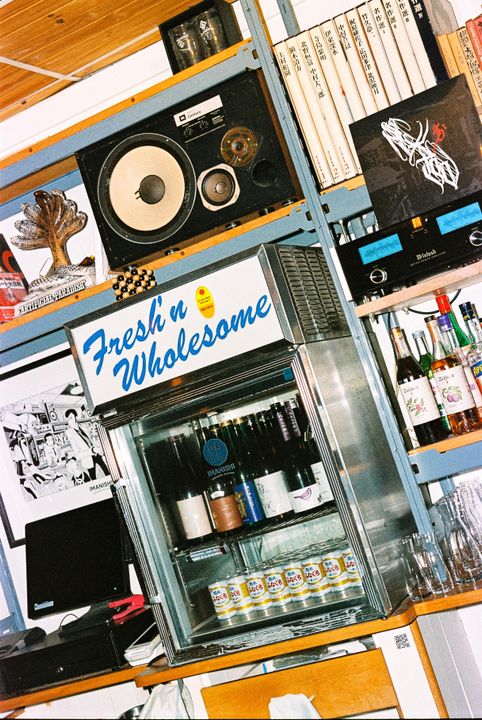
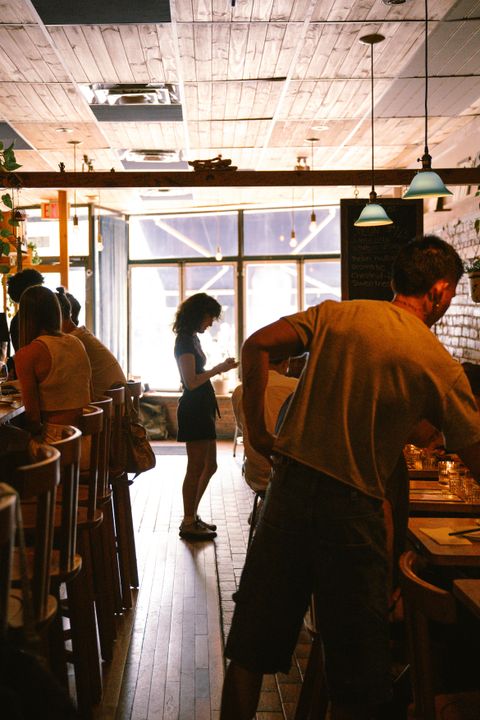
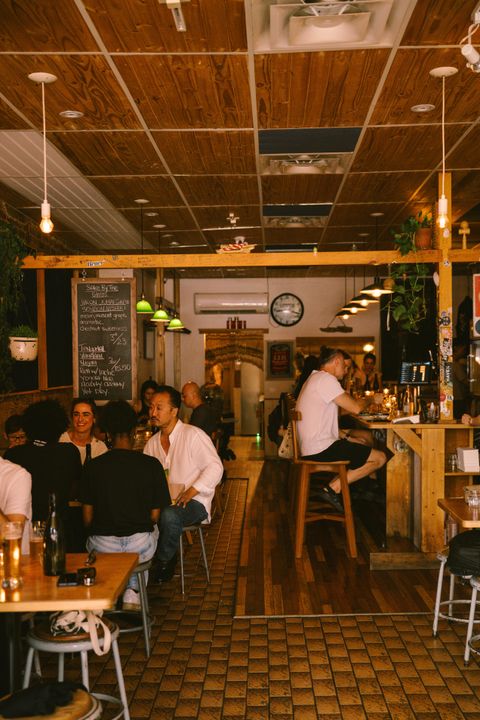
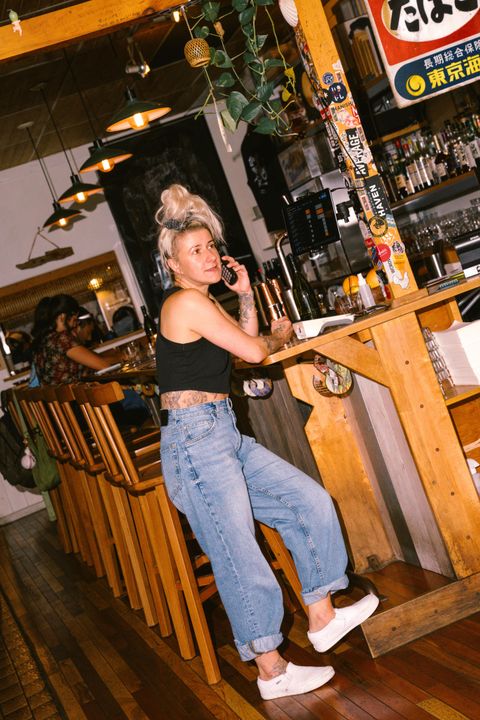
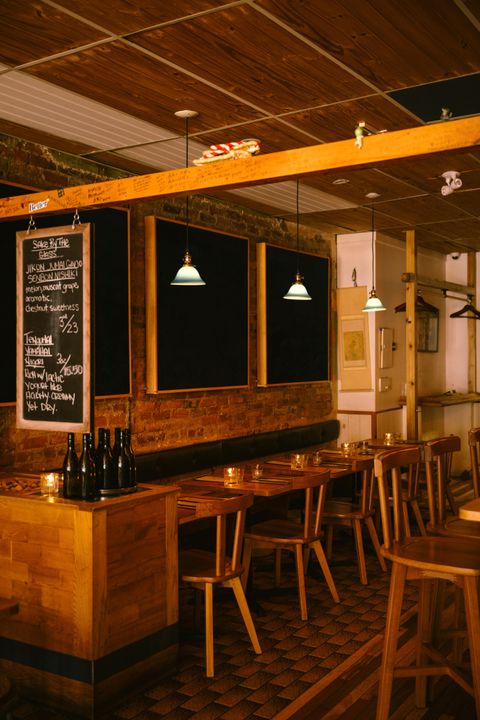
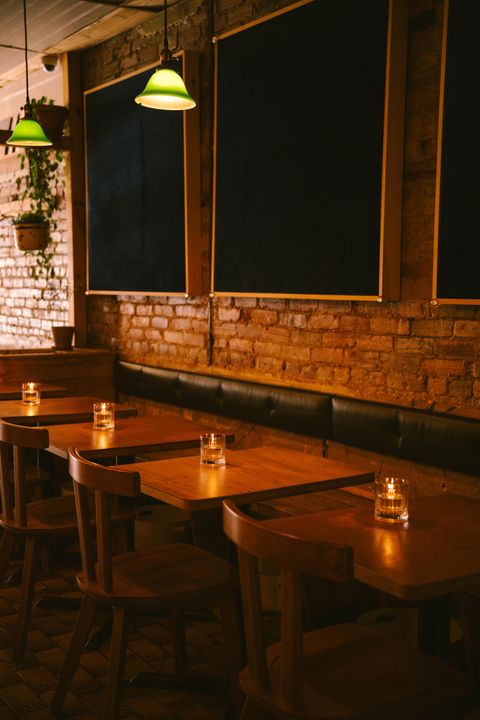
“Imanishi has this sort of home feeling, very welcoming,” Dahna says. Simple wood, nothing showy, a sound system far better than the room lets on, and a listening room in the basement still reserved for friends and family.
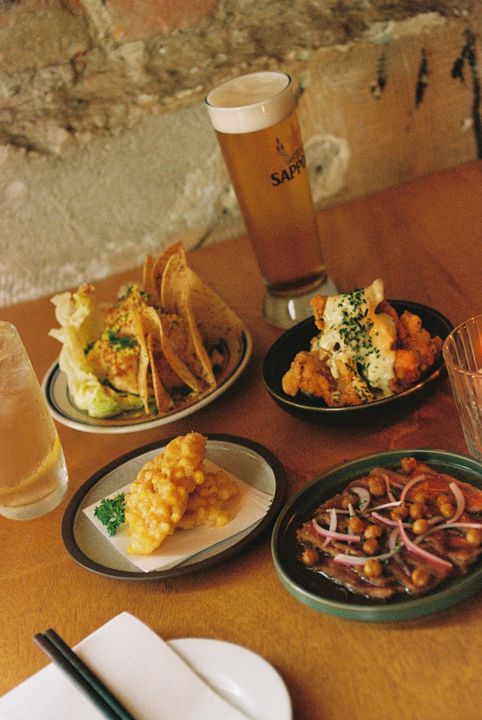
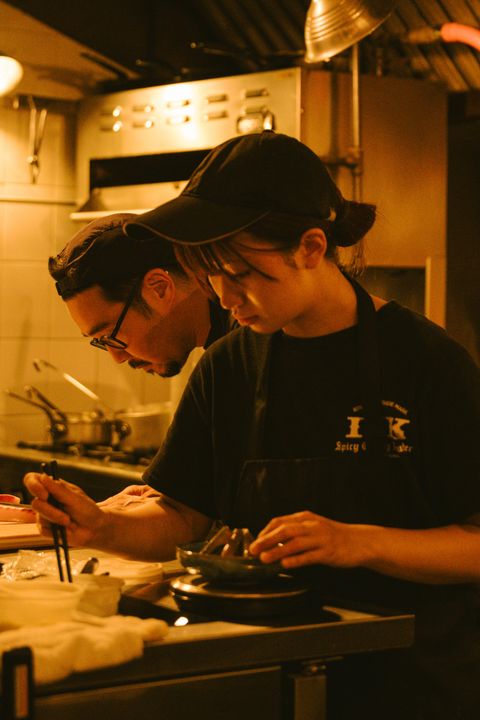
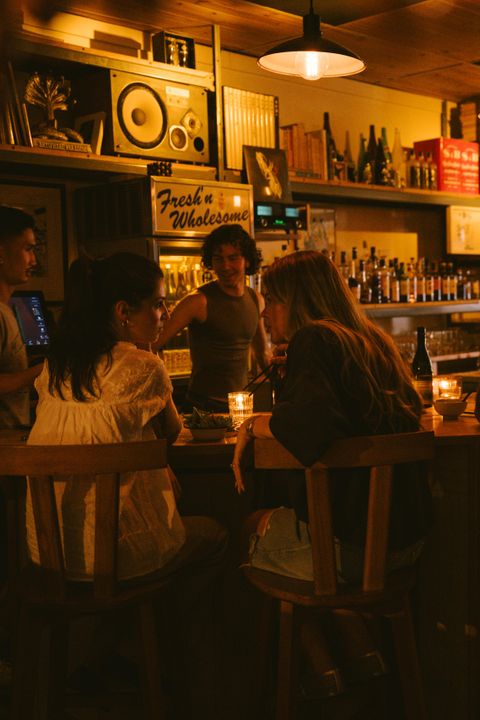
The reference point was never fine dining. It was the izakaya. “When you go to izakayas in Japan, it’s somewhere that you stay long all night,” she explains. “You’re drinking sake and shochu highballs and you’re eating small dishes and you’re with friends and family. It’s that sort of community-like feeling.” Ten years on, that’s what stuck: the regulars, a crew that hasn’t churned, a room that behaves like a living room after 9 pm
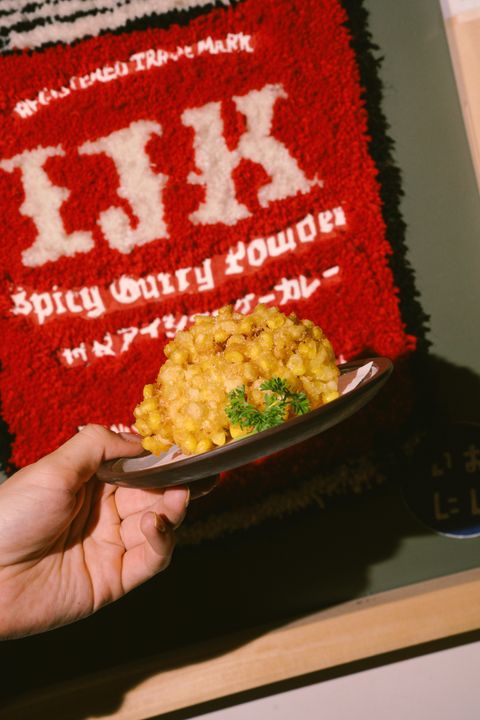
The Corn Fritter Everyone Photographs
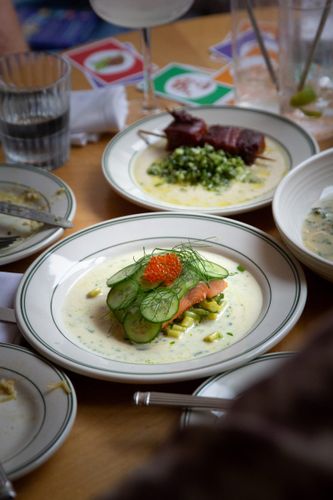
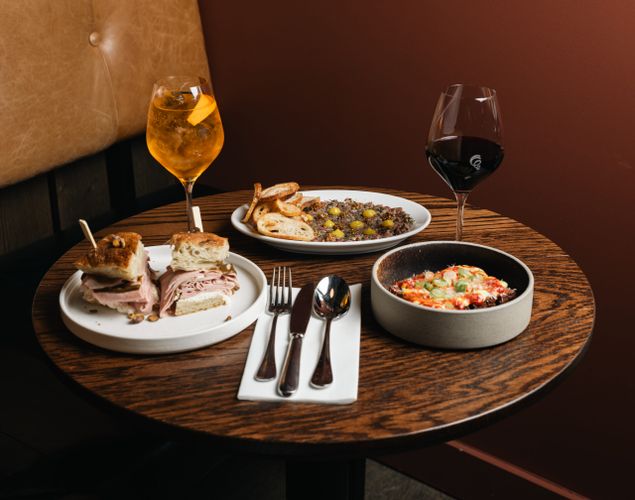
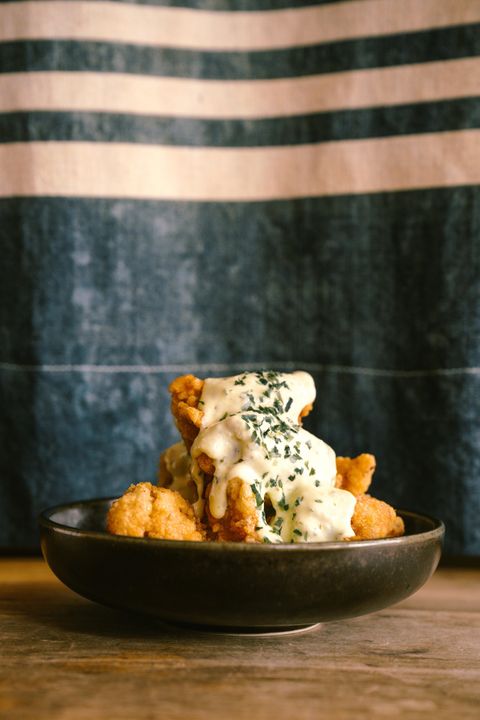
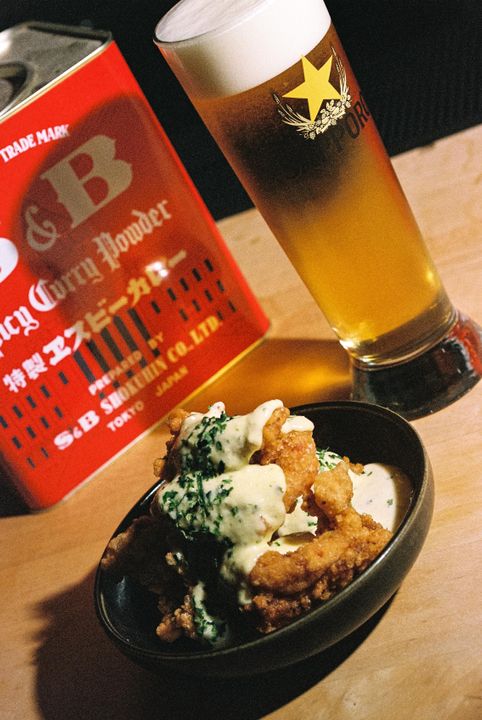
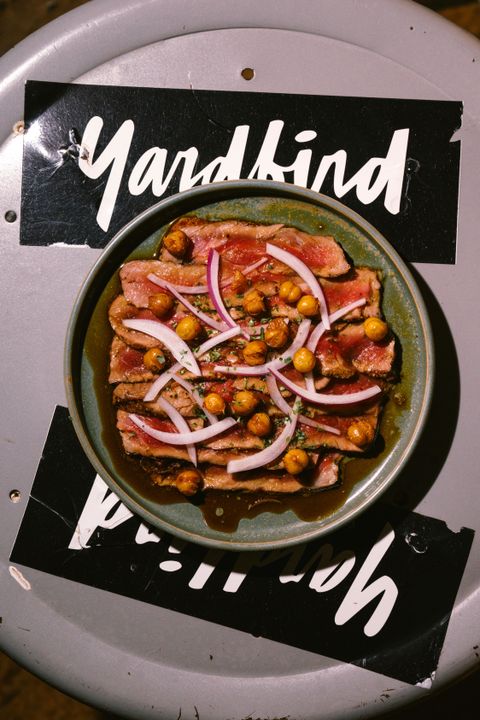
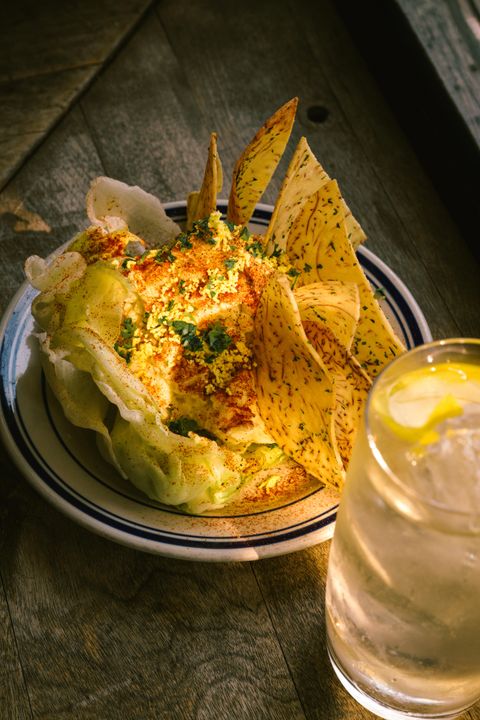
The corn kakiage is the dish people talk about before they’ve sat down. Then comes a run of things the kitchen has quietly perfected — a prawn and cilantro salad, an anchovy potato salad with chips, Japanese curry, ribs — all small, all meant to be pushed to the middle of the table.
Dessert is one item, on purpose: Tokyo Toast, Japanese milk bread deep-fried, dusted with brown sugar, topped with taro ice cream. “There only needs to be one dessert,” Dahna says, “because it’s incredible.”
Sake Without the Lecture
There’s a cocktail list, but the sake program is where the energy is. Dahna has spent the past few years studying it, and guests now come in to experiment rather than default to a cocktail. “It’s exciting to be able to educate people that think that sake is only one category when there’s so many different types, like how wine is.” Most tables share a bottle, with guidance when it helps: a juicy ginjo alongside something sweeter, a honjozo or junmai for a first-timer. Shochu highballs get the same care.
The Container in McCormick Park
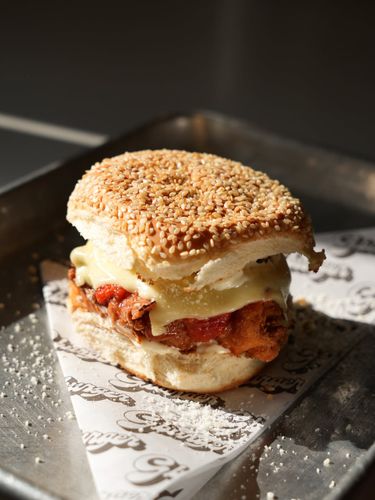
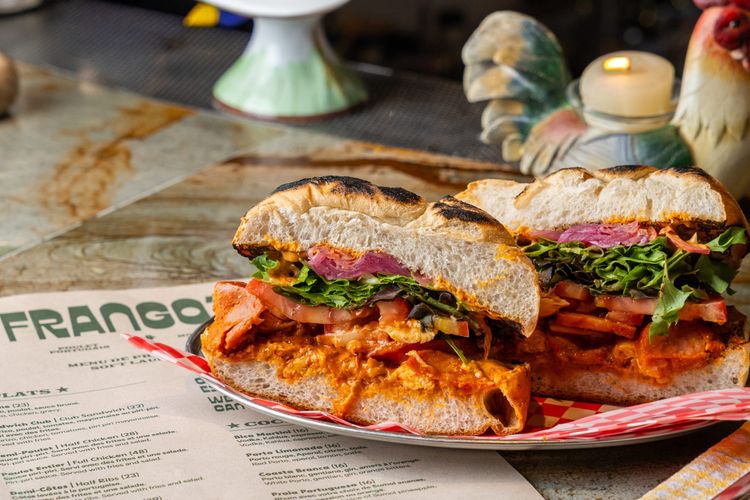
The sandos were a pandemic improvisation. Imanishi Basement Bar had opened in the east end about nine months before everything shut down; sandwiches started there, moved onto the restaurant’s menu, then landed in a McCormick Park shipping container that had run as a café. Imanishi Sando Bar has worked out of it ever since, at 179 Brock Avenue.
The Verdict
Ten years is a long run for a small Japanese room in a city that turns over fast. Imanishi got there by staying what it set out to be: somewhere you order too many small plates, work through a bottle you’d never have picked yourself, and stay two hours longer than planned.
Written by Daniel Neuhaus
Photography by Daniel Neuhaus