Bao Bei: Keeffer Street Chinese brasserie with a French accent
Bao Bei
- $$$$
- Booking
-
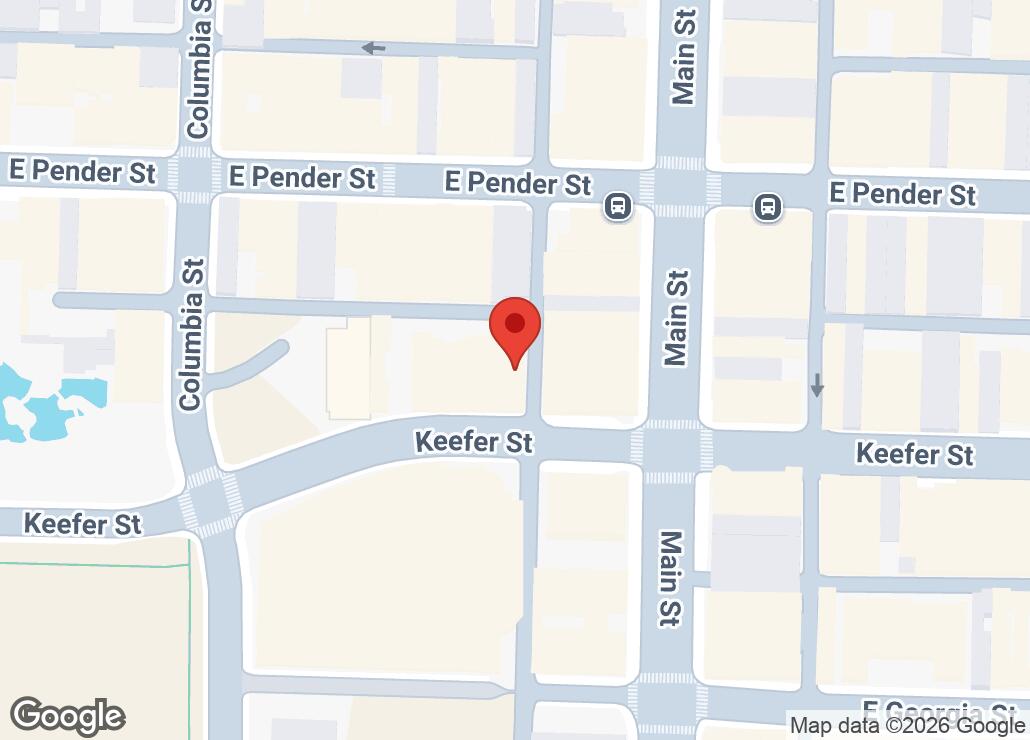
163 Keefer Street Vancouver V6A 1X4
+1 604-688-0876 -
Monday: 5:30 PM – 10:00 PM
Tuesday: 5:30 PM – 10:00 PM
Wednesday: 5:30 PM – 10:00 PM
Thursday: 5:30 PM – 10:00 PM
Friday: 5:30 PM – 12:00 AM
Saturday: 5:30 PM – 12:00 AM
Sunday: 5:30 PM – 10:00 PM
-


- Restaurant
In Mandarin, bao bei is a term of endearment, somewhere between “darling” and “precious.” Tannis Ling chose it for the restaurant she opened on Keefer Street after years as one of the most respected bartenders at Chambar, with her mother’s cooking as the main inspiration. At the time, this block of Vancouver‘s Chinatown was a lot quieter. “I think people thought she was crazy to open there,” recalls Joël Watanabe, who has run the kitchen since day one. Bao Bei and The Keefer Bar, just down the street, opened within a short time of each other and were among the first of a new generation of businesses in the area.
“I told her I wasn’t really a Chinese chef”
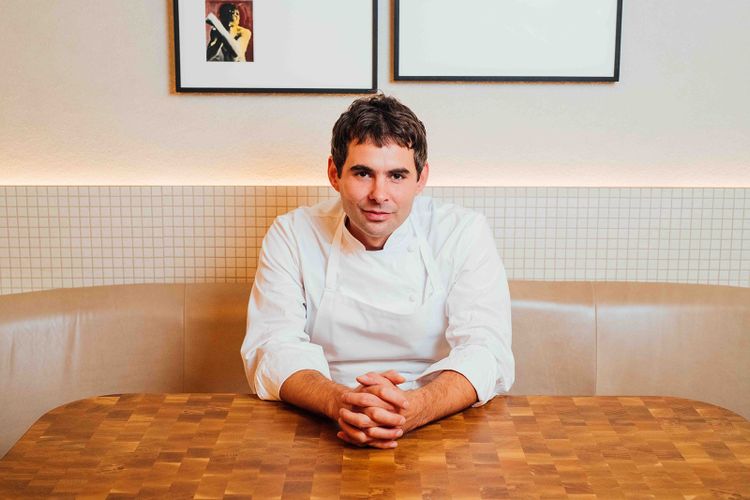
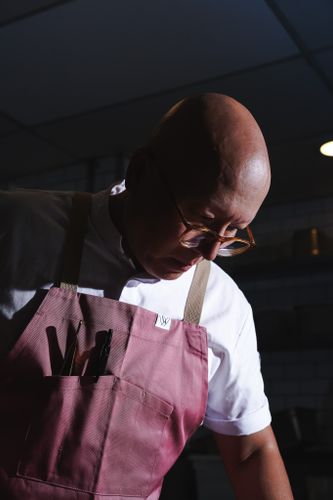
The chef arrived by a winding road. He was working abroad when a former colleague from Araxi in Whistler, then working alongside Tannis at Chambar, told him she was looking for a chef. He flew back to Vancouver to meet her and was upfront about his background, which ran through French kitchens, Italian training and years behind sushi counters. “Even though I told her I wasn’t really a Chinese chef, she said, I just want something different, something interesting,” he remembers.
What came out of it was Chinese cuisine filtered through French technique, centred at first on Shanghainese and Taiwanese flavours. Over time, the menu has widened into something pan-Asian that stays rooted in Chinese cooking. The restaurant placed second on enRoute’s list of Canada’s best new restaurants and is recommended today in the MICHELIN Guide. Its opening sous-chef, Jesse Grasso, went on to lead the kitchen at Pichai, in Montreal.
Historic Chinatown, his neighbourhood
Bao Bei shares the neighbourhood with the group’s two other addresses, Kissa Tanto and Meo, all three set in what the chef calls historic Chinatown. Vancouver’s newer Chinese hub has moved out to Richmond, and this is the original one, where the city’s early Chinese workers, mostly Cantonese, built their community. “It has its character and I love it, and it’s my area,” he says. Independent shops, restaurants and bars have been settling in around them, and the team counts itself among a handful of owners who are proud to be part of it.
Vaulted ceilings and concrete floors
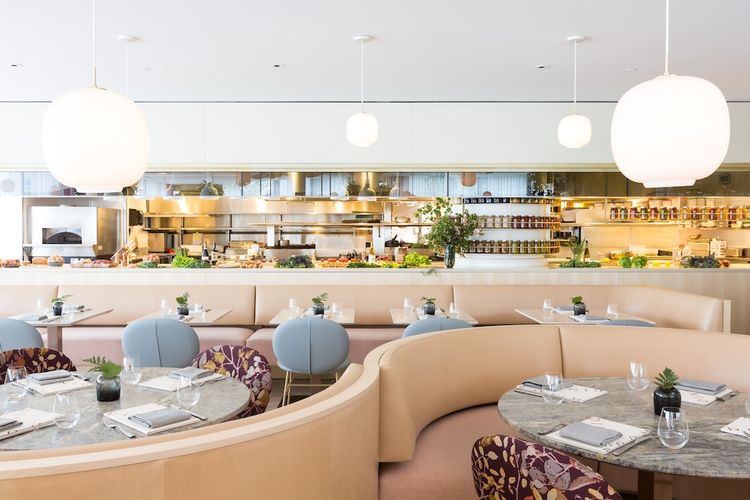
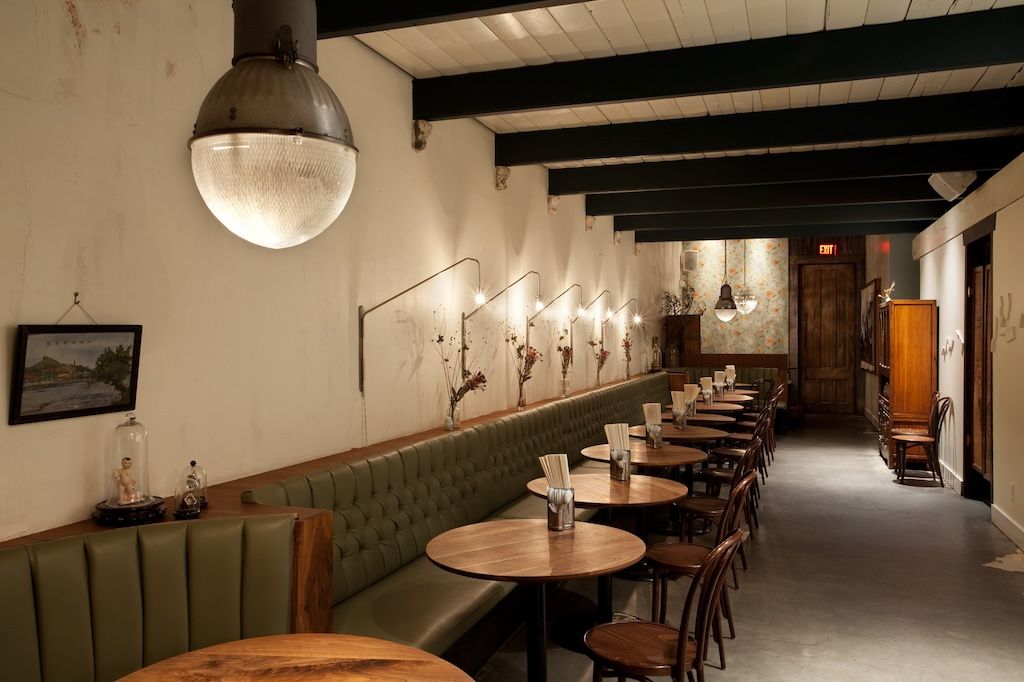
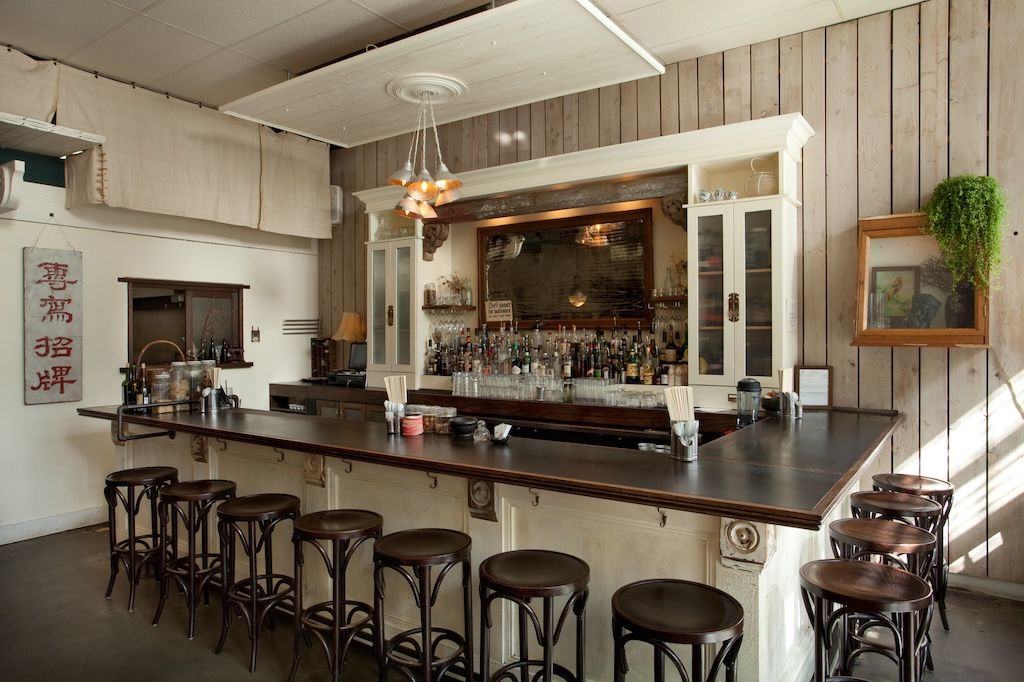
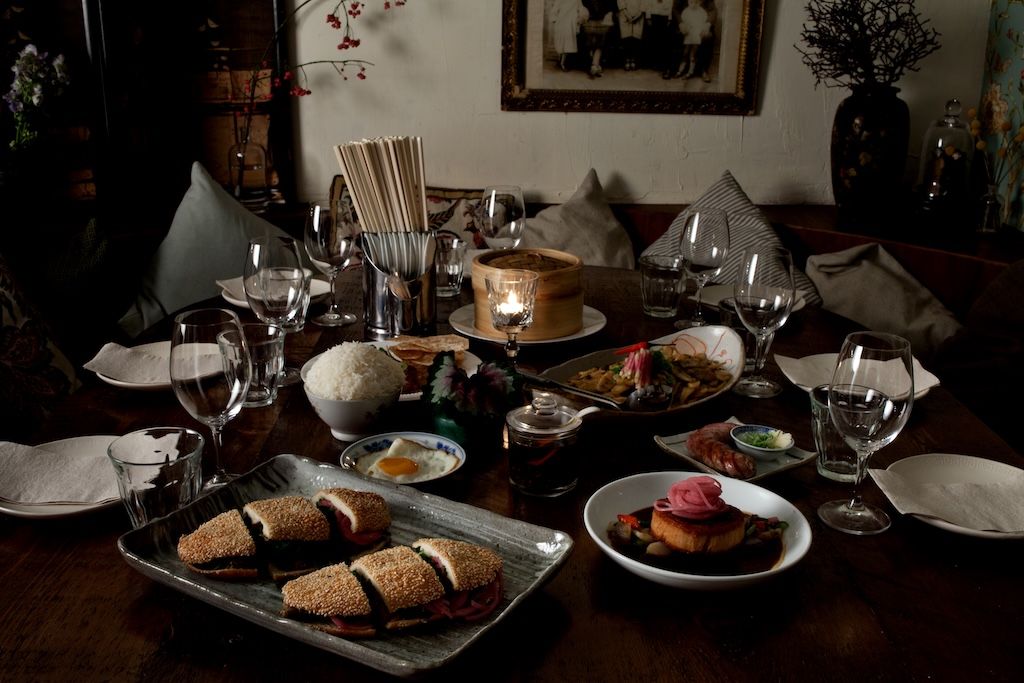
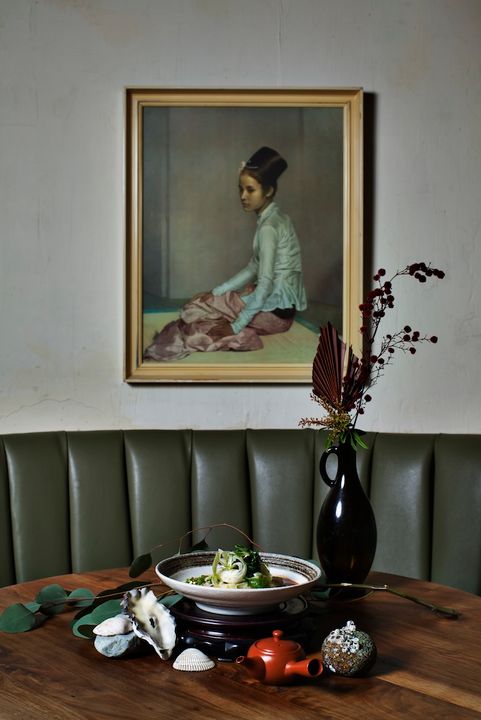
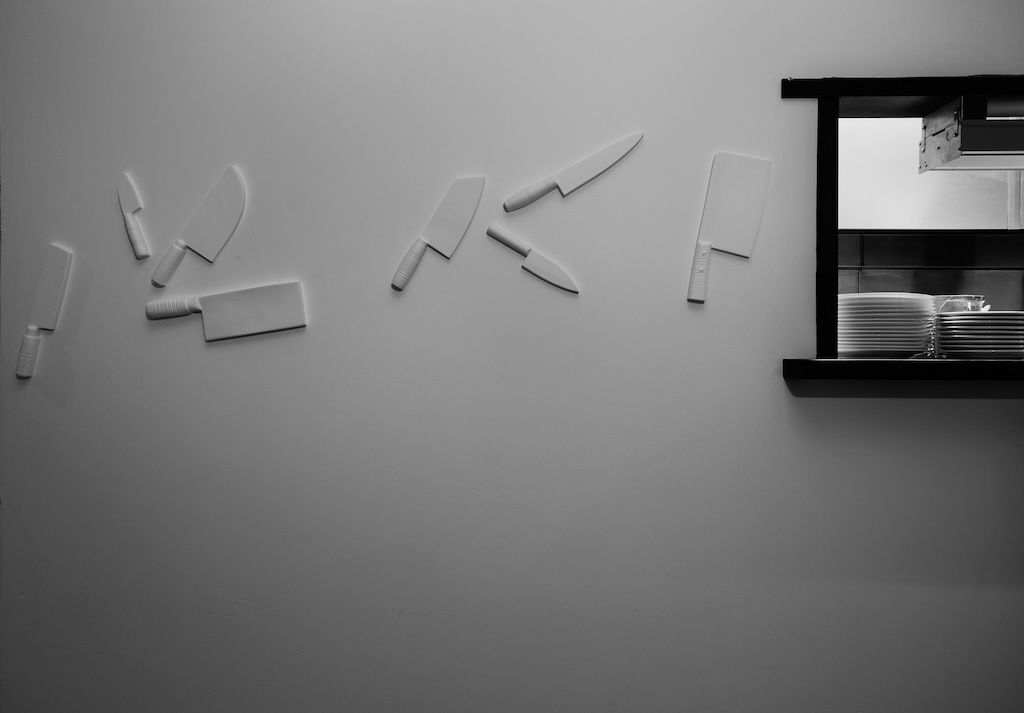
The room is long and high, with a vaulted ceiling and a vintage look that, by the chef’s account, was among the first of its kind in Vancouver, well before the style spread across the city. The bar and the kitchen run along the right-hand side, the concrete floors are left unpolished, and moss green upholstery softens the space. The design blends the codes of a French brasserie with vintage Chinese motifs and small, playful touches that nod to the owner’s family.
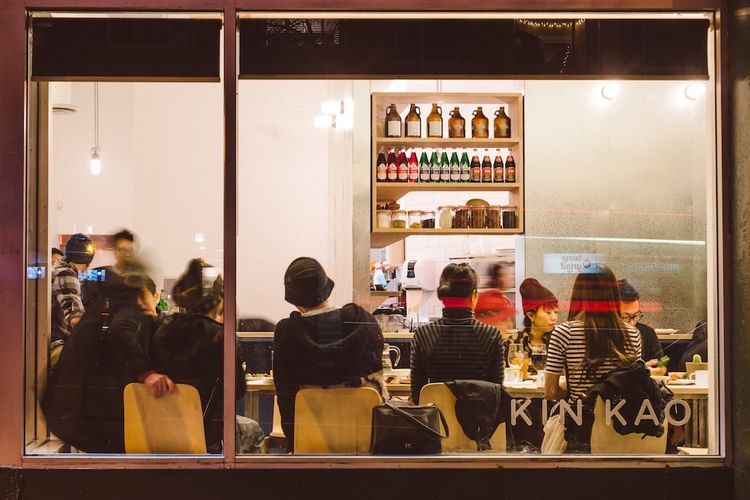
The early years of Bao Bai were relentless. Doors opened at 5:30 p.m., the room was full by 5:40, the waiting list stretched to an hour or two, and the dining room could sometimes turn over four times in a night. Restaurant economics have shifted since, but the crowds are building again and the mood is still convivial. “It’s a really fun spot,” the chef says. “It’s got a really good vibe.”
Mantou, fried rice and pea shoots
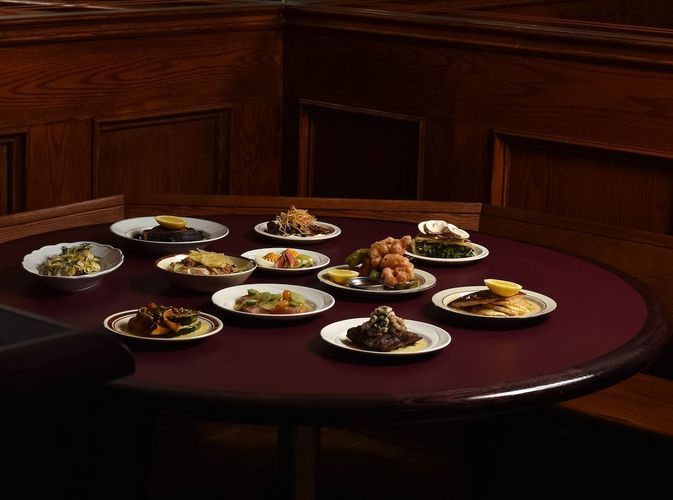
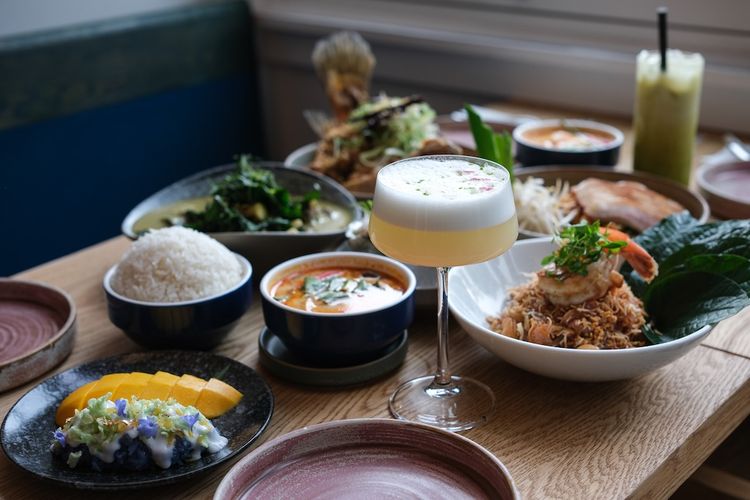
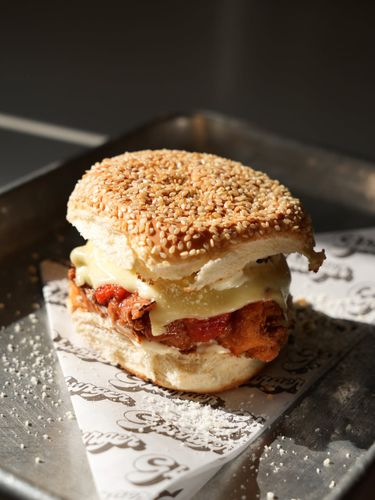
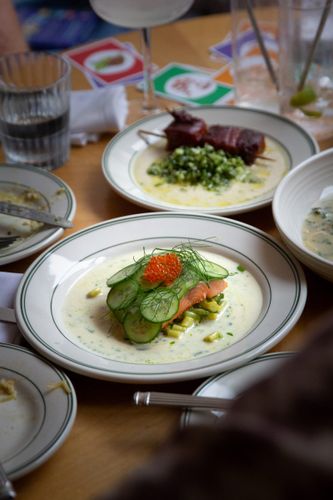
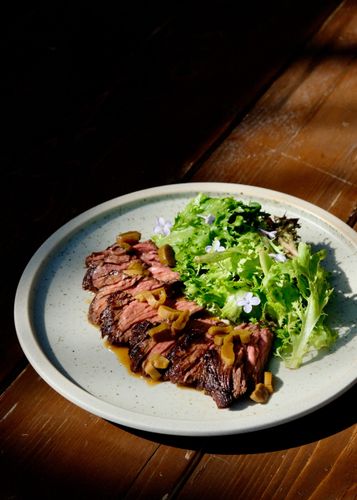
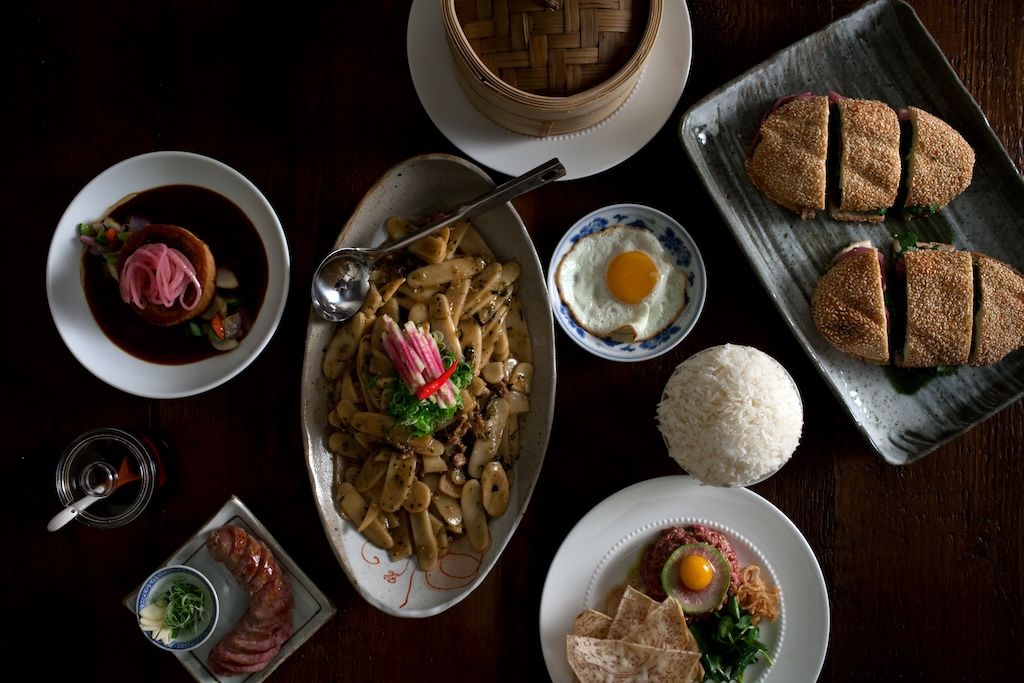
The menu at Bao bei is built for sharing. The mantou are soft steamed buns stuffed with braised pork, hoisin, pickled ginger and a miso-serrano aioli. The fried rice travels well beyond the takeout standard, studded with prawns, bitter melon, masala-preserved mushrooms and crumbled papadam, savoury and lightly sweet at once. The braised pea shoots, cooked down with garlic, prove that one of the simplest dishes on the table can carry some of the most flavour. Together they sum up the kitchen’s approach: Chinese foundations, with detours wherever a dish calls for one.
Written by Fabie Lubin
Photography by Peter Bagi